

Clay Dust Pneumatic Conveying Technology: Principles, Applications, and Development Trends
Clay dust, a common byproduct in industrial processes such as ceramics, brick manufacturing, and mining operations, poses unique challenges for material handling. Traditional methods like manual shoveling or mechanical conveyors often lead to inefficiencies, dust contamination, and operational hazards. Pneumatic conveying technology offers a sophisticated solution to transport clay dust efficiently and safely. This article explores the principles, applications, and emerging trends in clay dust pneumatic conveying, highlighting the expertise of Shandong HeadPowder Engineering Co., Ltd. as a leading provider in the field.
Principles of Pneumatic Conveying for Clay Dust
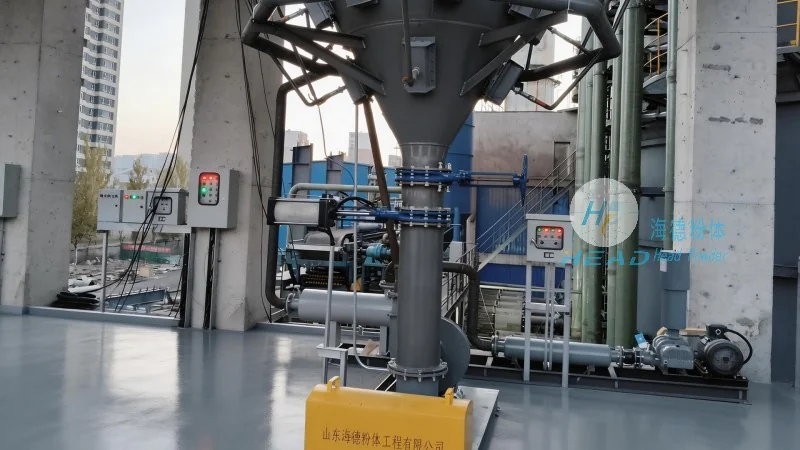
Pneumatic conveying systems operate by transporting particulate materials through a pipeline using air or gas as the conveying medium. For clay dust, which typically consists of fine particles with high moisture content and cohesive properties, specialized systems are required to ensure reliable and low-damage transport. The core principles involve creating a consistent air flow, controlling particle velocity, and managing system pressure to prevent blockages and material degradation. Two primary types of pneumatic conveying systems are commonly used: pressure and vacuum systems. Pressure systems use positive pressure to push material through the pipeline, while vacuum systems use negative pressure to pull material. For clay dust, pressure systems are often preferred due to their ability to handle higher material loads and maintain consistent flow rates. The system design must consider factors such as particle size distribution, moisture content, and bulk density to optimize performance. Proper air velocity is critical to prevent particle deposition and ensure smooth transport. HeadPowder's engineering expertise focuses on tailoring system parameters to match the specific characteristics of clay dust, ensuring efficient and reliable operation.
Applications in Industrial Settings
Clay dust pneumatic conveying technology finds extensive applications across various industries. In the ceramics industry, it is used to transport raw clay from storage silos to processing lines, ensuring a continuous supply of material for brick and tile production. The system helps maintain consistent moisture levels and prevents contamination from external sources. In mining operations, pneumatic conveyors are employed to transport clay dust from extraction sites to processing facilities, reducing the need for heavy machinery and minimizing environmental impact. The technology is also utilized in the construction industry for transporting clay-based materials to construction sites, improving material handling efficiency and reducing labor costs. Additionally, in waste management and recycling facilities, pneumatic conveying systems help transport clay dust for processing and reuse, contributing to sustainable practices. HeadPowder's solutions are tailored to meet the specific requirements of each application, ensuring optimal performance and cost-effectiveness.
Key Considerations for System Design and Maintenance
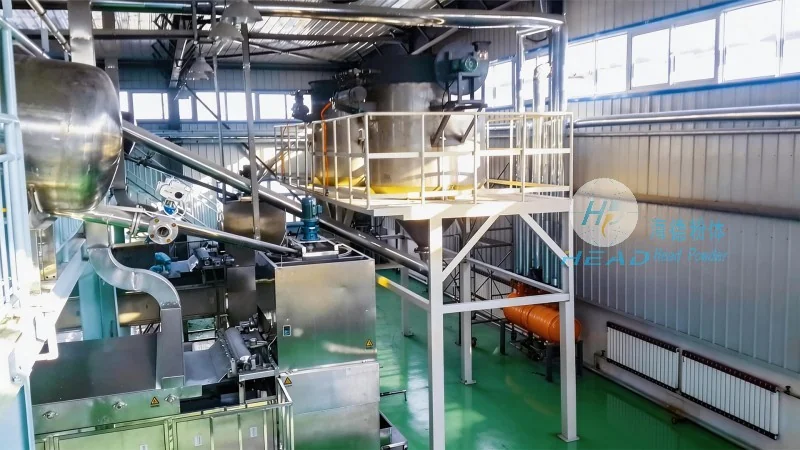
Designing an effective clay dust pneumatic conveying system requires careful consideration of several factors. Material properties, such as particle size, moisture content, and cohesive behavior, play a crucial role in determining the system configuration. The choice between pressure and vacuum systems depends on the distance, height, and material load requirements. System components, including blowers, filters, and pipelines, must be selected to handle the specific characteristics of clay dust. For example, high-efficiency filters are essential to prevent dust accumulation and maintain air quality. Regular maintenance is critical to ensure the longevity and efficiency of the system. This includes cleaning filters, inspecting pipelines for blockages, and monitoring air flow and pressure. HeadPowder provides comprehensive maintenance services and technical support to ensure systems operate at peak performance. Their expertise in material handling and pneumatic conveying ensures that clients receive reliable and durable solutions tailored to their needs.
Emerging Trends and Technological Advancements
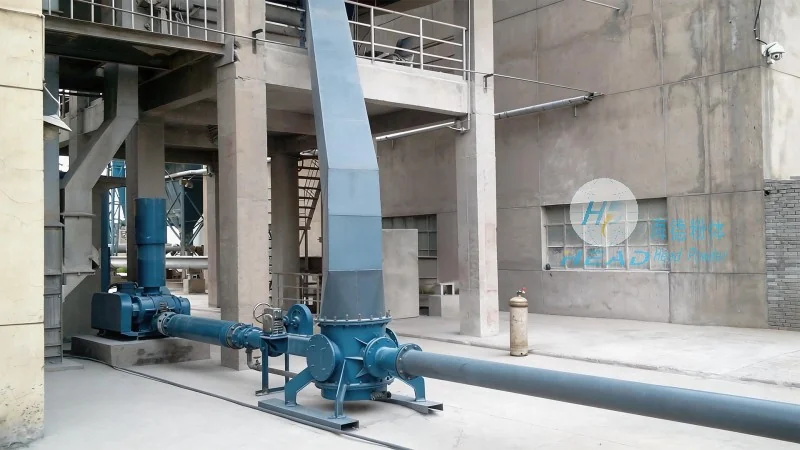
The field of clay dust pneumatic conveying is continuously evolving with advancements in technology. One emerging trend is the integration of automation and control systems to optimize system performance. Smart sensors and control panels allow for real-time monitoring of air flow, pressure, and material levels, enabling proactive maintenance and adjustments. This enhances system efficiency and reduces downtime. Another trend is the use of advanced materials in system components, such as corrosion-resistant pipelines and high-efficiency filters, to improve durability and reduce maintenance costs. Additionally, the development of compact and energy-efficient systems addresses the growing demand for sustainable and cost-effective solutions. HeadPowder stays at the forefront of these technological advancements, continuously innovating to provide cutting-edge solutions for clay dust handling. Their commitment to research and development ensures that clients benefit from the latest innovations in pneumatic conveying technology.
Conclusion
Clay dust pneumatic conveying technology offers a highly effective and efficient solution for handling clay dust in various industrial applications. By understanding the principles of pneumatic conveying, selecting the appropriate system design, and leveraging technological advancements, industries can improve material handling efficiency, reduce operational costs, and enhance safety. Shandong HeadPowder Engineering Co., Ltd. plays a vital role in this field, providing expert solutions and support to clients worldwide. With their focus on innovation and customer satisfaction, HeadPowder continues to be a leader in clay dust pneumatic conveying technology, helping industries achieve optimal performance and sustainable operations.