With more than 10‑year industry experience, Shandong Headpowder delivers full‑service pneumatic‑conveying systems and blowers, undertaking nationwide turn‑key powder‑handling projects.
White clay powders, a crucial raw material in various industrial processes, require efficient and reliable transportation methods to ensure smooth production workflows. Pneumatic conveying stands out as a sophisticated solution for handling such powders, offering advantages in terms of safety, hygiene, and operational flexibility. This article delves into the fundamental principles of pneumatic conveying for white clay powders and explores the key characteristics of its application scenarios, highlighting the expertise of Shandong HeadPowder Engineering Co., Ltd. (headpowder) in optimizing such systems.
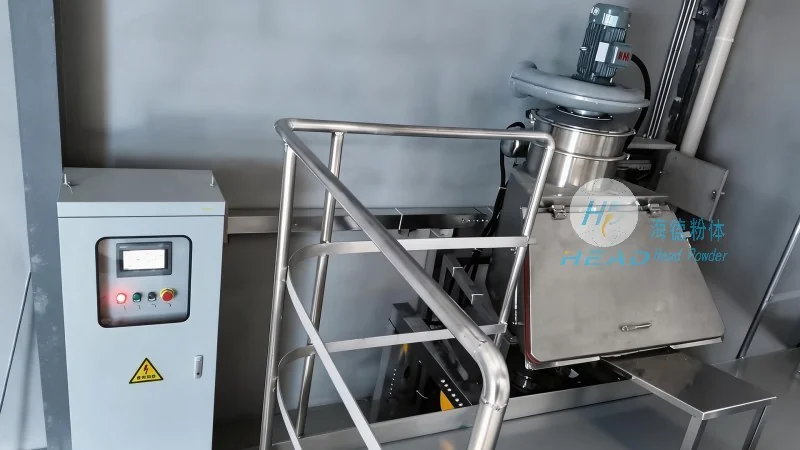
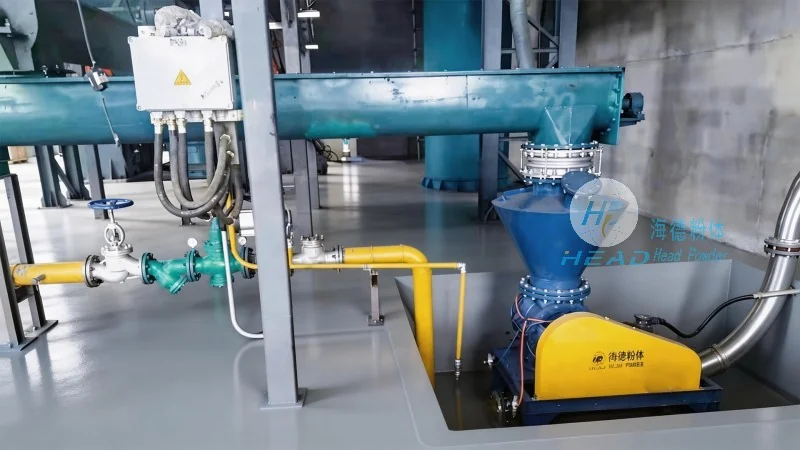
Headpowder, a leading provider of engineering solutions, specializes in the design, manufacturing, and installation of pneumatic conveying systems tailored to diverse industrial needs. With a strong presence in China, particularly in Shandong, the company leverages its extensive experience to deliver customized solutions that enhance material handling efficiency and reduce operational costs for clients across various sectors.
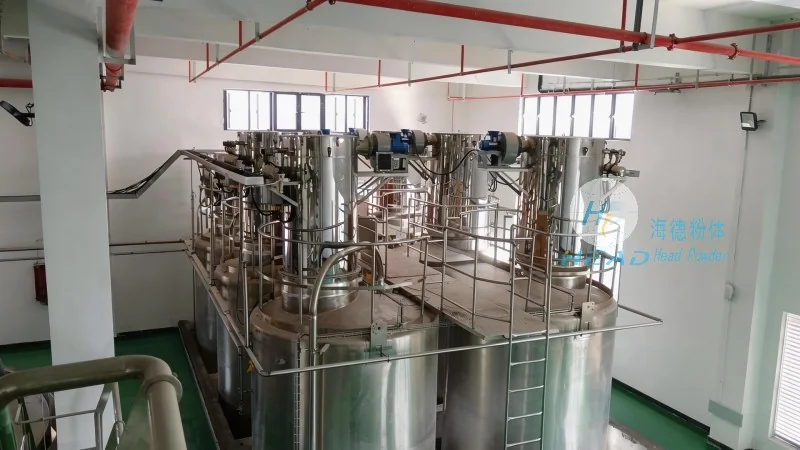
Pneumatic conveying operates by transporting bulk materials, such as white clay powders, through a pipeline using a pressurized or vacuum air stream. The process involves several key components and mechanisms that work in tandem to ensure effective material movement. Firstly, the material is fed into the conveying line, typically via a hopper or feeder, where it is introduced into the air stream. The air, often supplied by a blower or fan, creates a flow that lifts and transports the powder particles through the pipeline. The design of the conveying system, including the type of air flow (positive pressure or negative pressure), the pipeline layout, and the size of the particles, significantly influences the efficiency and performance of the system. For white clay powders, which are often fine and abrasive, specialized equipment like rotary valves, airlocks, and cyclone separators is employed to maintain system integrity and prevent clogging or degradation of the material.
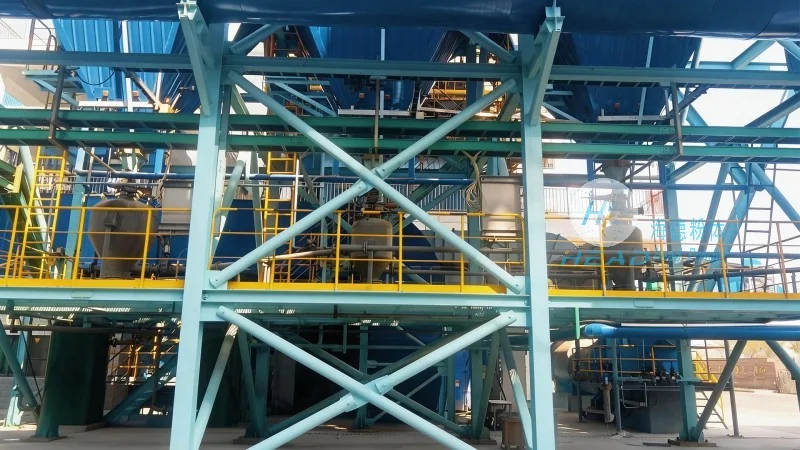
The application scenarios for pneumatic conveying of white clay powders vary based on the specific requirements of the industrial process, the scale of operation, and the environmental conditions. One common scenario involves the transportation of white clay from storage silos to processing units, such as mixing or grinding facilities. In this case, the system must handle large volumes of material while maintaining consistent flow rates to avoid interruptions in production. Another scenario is the transfer of white clay powders between different production stages, such as from a drying unit to a packaging line. Here, the conveying system needs to ensure minimal material loss and maintain the quality of the powder, which is critical for downstream applications. Additionally, the system must be designed to accommodate variations in particle size and moisture content, as these factors can impact the conveying efficiency and system performance. The work scenarios also consider the need for hygiene and contamination control, especially in industries like pharmaceuticals or food processing, where white clay powders are used as a filler or excipient. In such cases, the pneumatic conveying system is equipped with features like closed-loop designs and sterile components to ensure compliance with regulatory standards.

 Shandong Headpowder Engineering Co., Ltd.
 156-6277-7102(Manager Zhang)
  0531-83386006
  Zhangqiu District, Jinan City, Shandong Province, China
telephone
WeChatconsult
top