With more than 10‑year industry experience, Shandong Headpowder delivers full‑service pneumatic‑conveying systems and blowers, undertaking nationwide turn‑key powder‑handling projects.
Foundry sand, a fundamental material in the casting industry, demands efficient and reliable handling to support seamless production workflows. Pneumatic conveying systems have become a preferred solution for transporting foundry sand due to their ability to handle diverse particle sizes, moisture content, and production volumes while maintaining cleanliness and operational efficiency. This article delves into the core principles of these systems and outlines key working scene characteristics that define their effectiveness in various industrial settings.
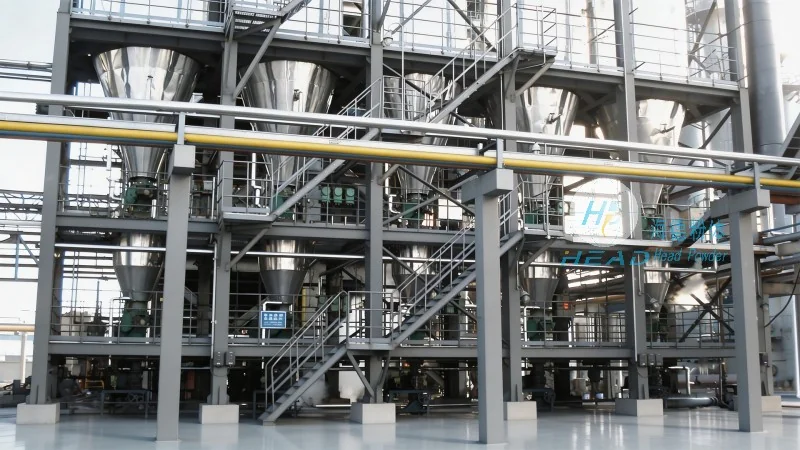
The fundamental operation of a pneumatic conveying system for foundry sand revolves around the use of compressed air to move material through a pipeline. The system typically comprises several key components: a hopper for material storage, a blower or compressor to generate the necessary airflow, a pipeline network to transport the sand, and a receiver or discharge point for the material. The process begins with the sand being drawn into the air stream by creating a low-pressure zone within the pipeline. As the air flows through the system, it carries the sand particles, transporting them from the source to the destination. The efficiency of the system is influenced by factors such as air velocity, pipeline diameter, and the physical properties of the sand, including particle size distribution, density, and moisture content. Proper design ensures that the air velocity remains within optimal ranges to prevent material deposition or blockages while maintaining sufficient force to move the sand effectively.
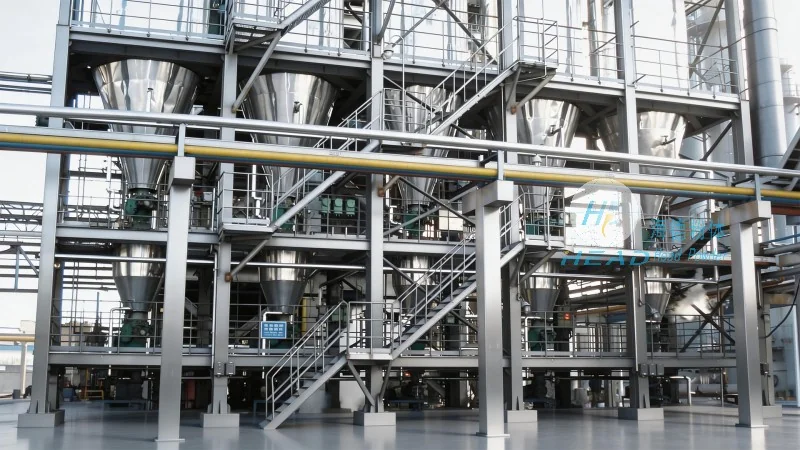
Foundry sand pneumatic conveying systems are deployed across a wide range of industrial environments, each with distinct characteristics that shape system design and performance. In large-scale foundry operations, the system may need to handle substantial volumes of sand over extended distances, requiring high-capacity blowers and robust pipeline networks capable of withstanding continuous operation. The working scene often involves multiple discharge points, such as feeding sand to molding machines or returning sand to a reclamation system, necessitating flexible and scalable system configurations. Conversely, in smaller or specialized foundries, the system might focus on localized transport, such as moving sand from a storage silo to a specific molding station, where precision and control are critical. These varied applications highlight the adaptability of pneumatic conveying systems to meet the diverse needs of foundry production.
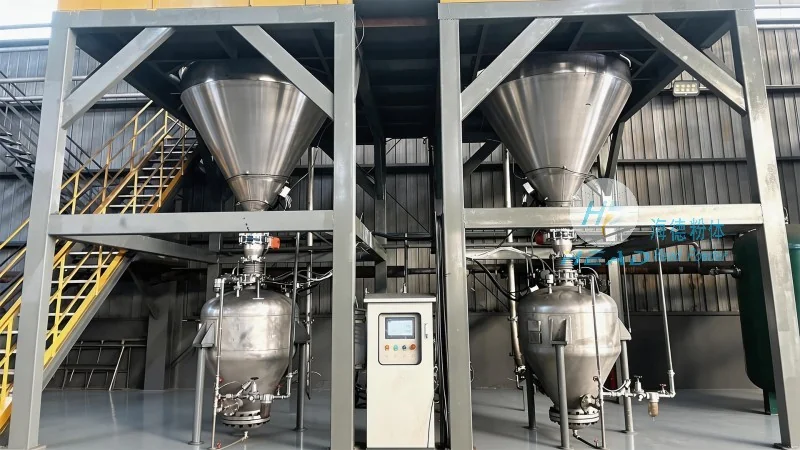
Across different working scenes, pneumatic conveying systems offer several advantages that enhance operational efficiency and product quality. In cleanroom or high-purity environments, the enclosed pipeline design prevents dust contamination, ensuring that the foundry sand remains free from external particles that could affect casting quality. The system also minimizes material degradation by reducing exposure to air or moisture, which is vital for maintaining the sand's optimal properties for casting. Additionally, the absence of direct human contact during transport reduces health and safety risks, aligning with modern industrial standards. These benefits make the system particularly suitable for applications where hygiene, product purity, and worker safety are paramount. For instance, in automotive or aerospace foundries, where precision and quality control are non-negotiable, pneumatic conveying systems provide a reliable solution that meets stringent industry requirements.
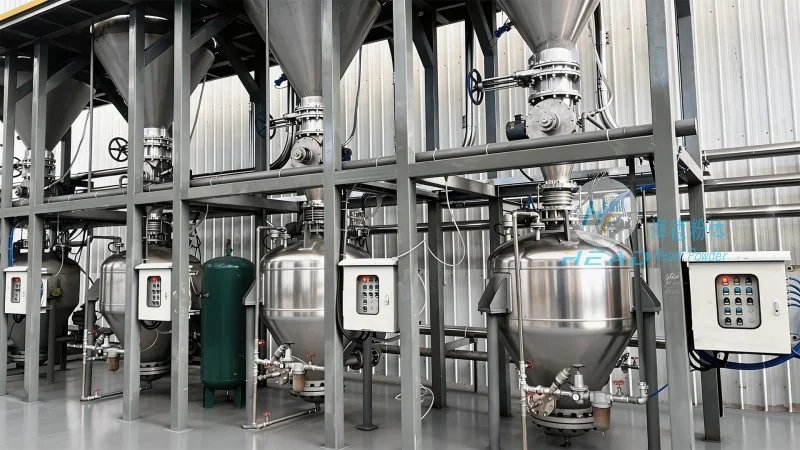
Shandong HeadPowder Engineering Co., Ltd., a reputable provider of foundry sand handling solutions, specializes in designing and implementing customized pneumatic conveying systems tailored to specific working environments. The company, headquartered in Shandong, China, leverages advanced engineering expertise to address the unique challenges of each client's production setup. By conducting thorough site assessments, analyzing material properties, and simulating system performance, HeadPowder develops solutions that integrate seamlessly with existing equipment and processes. The company's approach emphasizes flexibility, allowing for adjustments as production needs evolve. This customized approach not only improves operational efficiency but also reduces downtime and maintenance costs, delivering long-term value to clients. For example, a client in the automotive sector required a system to transport sand from a large storage silo to multiple molding lines, and HeadPowder designed a multi-point discharge system with variable speed blowers to optimize material flow and minimize energy consumption. The result was a significant reduction in handling time and improved overall production throughput.

 Shandong Headpowder Engineering Co., Ltd.
 156-6277-7102(Manager Zhang)
  0531-83386006
  Zhangqiu District, Jinan City, Shandong Province, China
telephone
WeChatconsult
top