

What is an Unmanned Feeding Powder Material Handling System? What is its Design Principle?
Unmanned feeding powder material handling systems represent a sophisticated solution in the field of bulk material handling, designed to automate the process of feeding and transporting powders without human intervention. These systems are crucial for industries that require precise, consistent, and safe material transfer, such as pharmaceuticals, food processing, and chemical manufacturing. The core of such systems lies in their ability to integrate advanced control technologies, sensors, and mechanical components to ensure efficient and reliable operation.
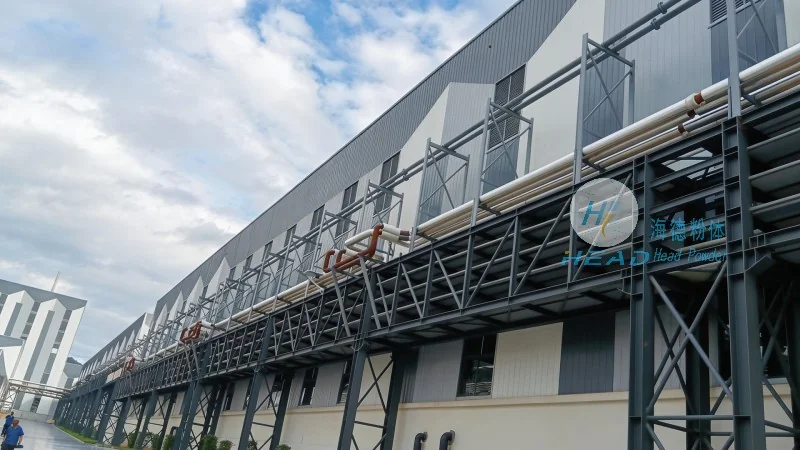
Understanding the Core Components of an Unmanned Feeding System
At the heart of an unmanned feeding powder handling system are several key components that work in tandem to achieve seamless material transfer. The system typically includes a hopper or silo for storing the bulk powder, a feeding mechanism (such as a screw feeder or rotary valve) that controls the flow rate, and a conveyor system (like a pneumatic or mechanical conveyor) that transports the material to the destination. Additionally, sensors are integrated to monitor the material level, flow rate, and any potential blockages, providing real-time data for system adjustments. The control unit, often equipped with programmable logic controllers (PLCs) or advanced software, coordinates all these components to ensure smooth operation. This integration of hardware and software is what distinguishes an unmanned system from traditional manual feeding methods, offering enhanced precision and reliability.
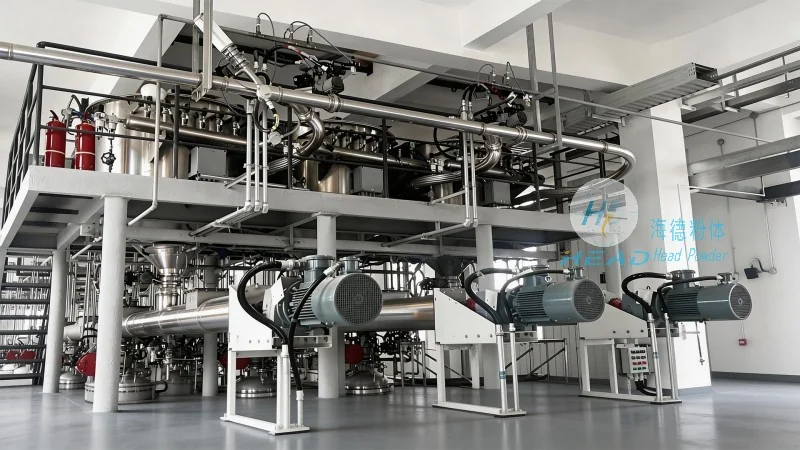
The Design Principle Behind Unmanned Feeding Systems
The design principle of an unmanned feeding powder handling system revolves around automation, safety, and efficiency. The primary goal is to eliminate human involvement in the feeding process, thereby reducing the risk of errors, contamination, and workplace accidents. The system is designed to operate based on predefined parameters, such as the required flow rate, material level, and destination. Advanced algorithms and feedback loops are employed to adjust the feeding rate in real-time, ensuring that the material is transferred at the optimal speed without overloading the conveyor or causing blockages. Safety features, including emergency stop buttons, overload protection, and sensor-based detection of obstructions, are incorporated to prevent accidents and protect both the equipment and the material. The design also emphasizes energy efficiency, with components optimized to minimize power consumption while maintaining high performance. By adhering to these principles, unmanned feeding systems provide a robust and reliable solution for industries that demand consistent and safe material handling.
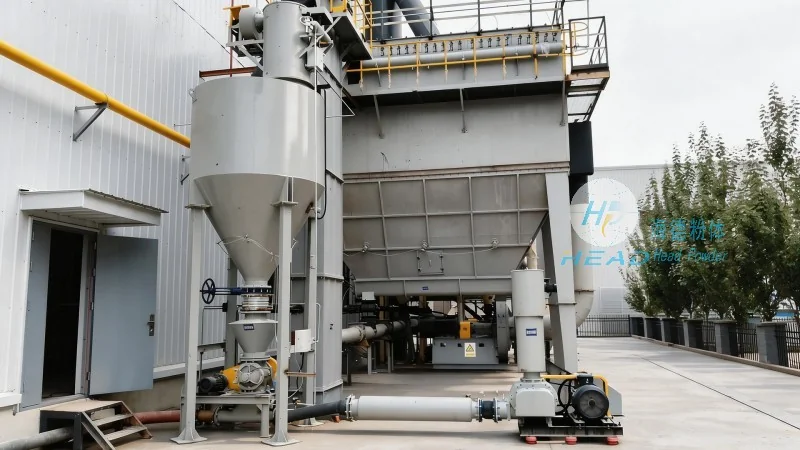
Applications and Benefits of Unmanned Feeding Systems
Unmanned feeding powder handling systems find applications in a wide range of industries, where the handling of powders is critical to production processes. In the pharmaceutical industry, for example, these systems are used to feed raw materials into mixing and processing equipment, ensuring that the materials are handled in a sterile and controlled environment. In food processing, they are employed to transfer ingredients like flour, sugar, or spices to production lines, maintaining hygiene standards and preventing cross-contamination. The chemical industry also benefits from these systems, as they handle hazardous or reactive powders with precision, reducing the risk of accidents and ensuring compliance with safety regulations. The benefits of using unmanned feeding systems extend beyond safety and hygiene. They offer improved process consistency, as the system operates based on precise control parameters, leading to uniform product quality. Additionally, they enhance productivity by operating continuously without the need for breaks or manual intervention, allowing for 24/7 operation. The systems also reduce labor costs, as they eliminate the need for manual feeding and monitoring, freeing up human resources for other tasks. Furthermore, the integration of sensors and real-time monitoring enables proactive maintenance, reducing downtime and increasing the overall reliability of the system.
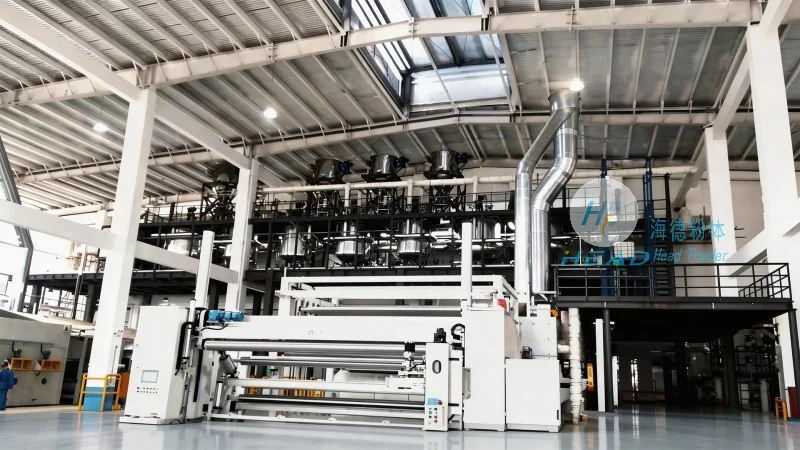
HeadPowder: A Leader in Unmanned Feeding System Solutions
Shandong HeadPowder Engineering Co., Ltd., a leading manufacturer based in China, specializes in the design, development, and manufacturing of advanced unmanned feeding powder handling systems. With years of experience in the industry, HeadPowder has established itself as a trusted provider of high-quality, reliable equipment tailored to the specific needs of various industries. The company’s commitment to innovation and customer satisfaction is reflected in its product line, which includes a range of systems designed to handle different types of powders, from fine powders to bulk materials. HeadPowder’s systems are equipped with state-of-the-art technologies, including PLC control, sensor integration, and user-friendly interfaces, ensuring that they meet the highest standards of performance and safety. The company’s team of experts works closely with clients to understand their specific requirements and provide customized solutions that enhance their production processes. With a focus on quality and reliability, HeadPowder has built a reputation for delivering systems that are durable, efficient, and easy to maintain. The company’s headquarters and manufacturing facilities are located in Shandong, China, where it leverages local resources and expertise to produce top-tier equipment for global markets.