With more than 10‑year industry experience, Shandong Headpowder delivers full‑service pneumatic‑conveying systems and blowers, undertaking nationwide turn‑key powder‑handling projects.
Refractory material powder conveying systems are essential in industrial applications where the efficient and safe transport of bulk powders is critical. These systems are designed to handle materials such as refractory powders, which are commonly used in high-temperature environments like steelmaking, cement production, and glass manufacturing. The proper selection and implementation of a powder conveying system can significantly impact production efficiency, material quality, and operational safety.
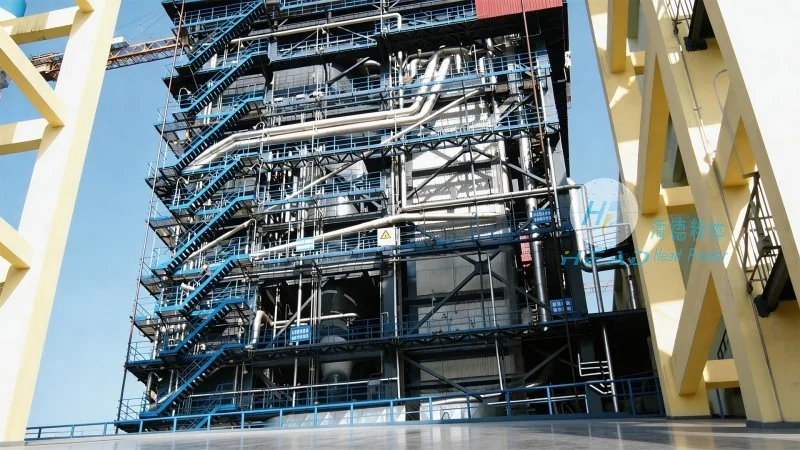
A refractory material powder conveying system is a specialized equipment setup that facilitates the movement of refractory powders from storage to processing or application points. These systems are engineered to address the unique challenges associated with handling fine, abrasive, and temperature-sensitive powders. Key components typically include hoppers, feeders, conveyors (like pneumatic or mechanical systems), and control mechanisms. The system must ensure minimal material degradation, consistent flow rates, and compliance with safety standards to prevent dust explosions or equipment damage.
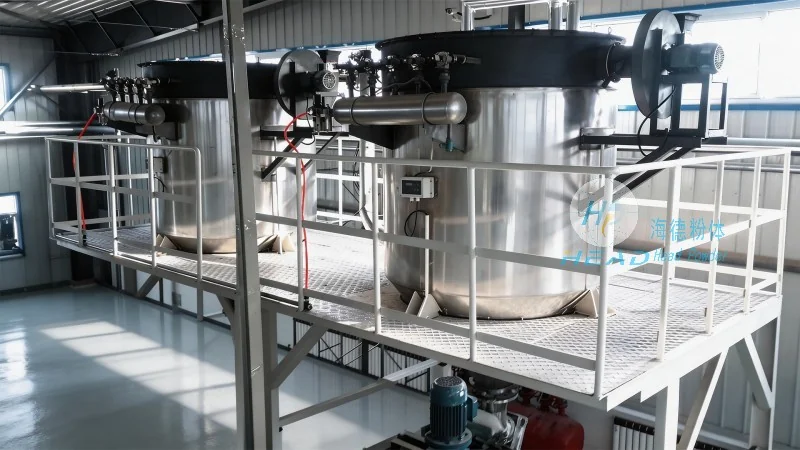
The design of a refractory material powder conveying system is guided by several fundamental principles aimed at optimizing performance and reliability. First, material compatibility is paramount: all components must be resistant to the chemical and thermal properties of the refractory powders being handled. This includes using corrosion-resistant materials for hoppers and pipelines, and ensuring that seals and bearings can withstand high temperatures and abrasive particles. Second, the system must maintain a consistent and controlled flow to avoid blockages or uneven distribution. This is achieved through the use of precise feeders, such as rotary valves or vibratory feeders, which regulate the amount of material entering the conveyor. Third, dust control is a critical design consideration. Refractory powders are often fine and can create hazardous dust clouds. Therefore, the system incorporates dust collection and filtration systems to ensure a safe working environment and prevent environmental contamination. Fourth, the system is designed for easy maintenance and cleaning. Since refractory powders can adhere to surfaces, features like easy-to-clean hoppers and removable components are incorporated to minimize downtime and maintain operational efficiency.
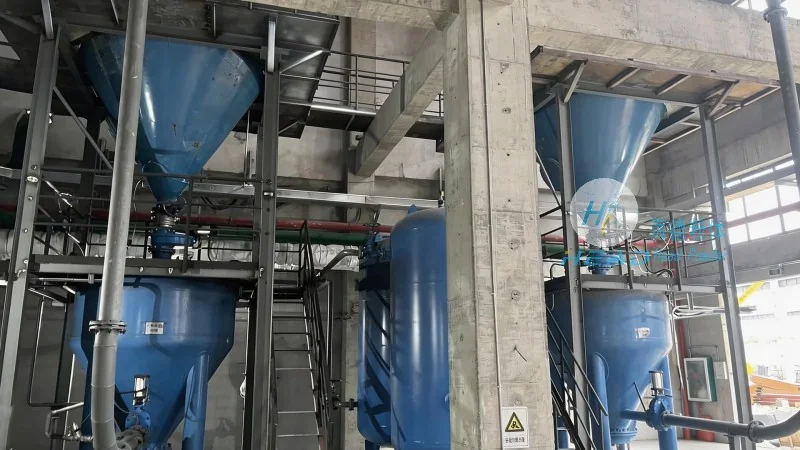
Each component of a refractory powder conveying system plays a vital role in ensuring smooth operation. The hopper serves as the storage container, typically made of durable materials like stainless steel or lined with abrasion-resistant coatings to prevent material buildup and corrosion. The feeder is responsible for controlling the flow rate of the powder from the hopper to the conveyor. For refractory powders, rotary feeders are commonly used due to their ability to handle fine, abrasive materials without clogging. The conveyor itself can be either pneumatic (air-driven) or mechanical (belt or screw-driven). Pneumatic systems are ideal for long-distance transport and can handle fine powders effectively, while mechanical systems are suitable for shorter distances and heavier loads. The control system monitors and adjusts the flow rate, pressure, and other parameters to maintain optimal performance. Sensors and alarms are also integrated to detect blockages, overloads, or abnormal conditions, ensuring immediate action to prevent system failures.
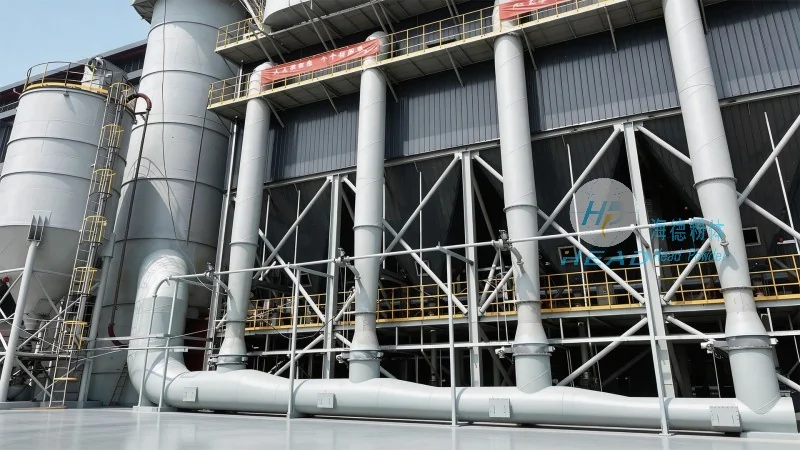
Refractory material powder conveying systems are widely used in various industrial sectors. In the steel industry, these systems transport refractory powders to linings of furnaces and kilns, ensuring uniform application and extending the lifespan of the equipment. In cement production, they deliver raw materials and additives to the grinding mills and kilns, improving production efficiency and product quality. In the glass manufacturing industry, they convey refractory materials to the glass melting furnaces, maintaining consistent temperature and material composition. The benefits of using a well-designed conveying system include increased production throughput, reduced material waste, improved product quality, and enhanced workplace safety. By minimizing dust exposure and preventing material degradation, these systems contribute to a more sustainable and efficient industrial operation.

 Shandong Headpowder Engineering Co., Ltd.
 156-6277-7102(Manager Zhang)
  0531-83386006
  Zhangqiu District, Jinan City, Shandong Province, China
telephone
WeChatconsult
top