With more than 10‑year industry experience, Shandong Headpowder delivers full‑service pneumatic‑conveying systems and blowers, undertaking nationwide turn‑key powder‑handling projects.
Chromium(III) oxide, also known as chromium sesquioxide, is a widely used inorganic compound with the chemical formula Cr₂O₃. It is commonly utilized in various industrial applications, including pigments, catalysts, and as a component in electronic materials. The efficient and reliable transportation of chromium(III) oxide powder is crucial for maintaining production efficiency and product quality in manufacturing processes. This article will explore the concept of a chromium(III) oxide powder conveying system and delve into its underlying design principles.
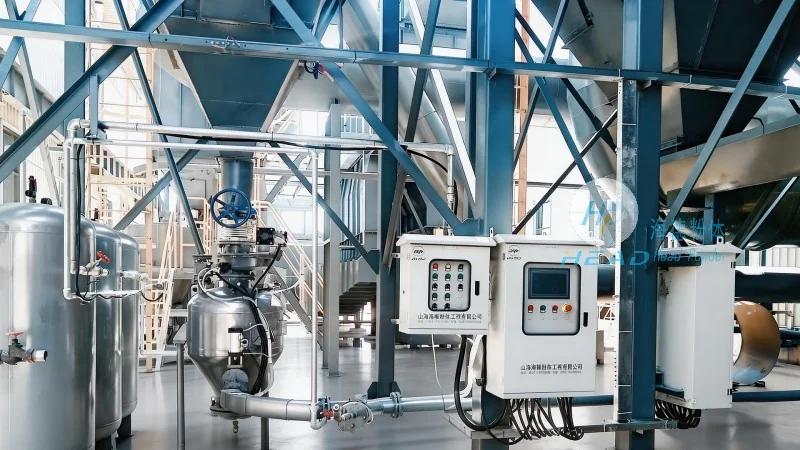
A chromium(III) oxide powder conveying system is a specialized equipment setup designed to transport fine chromium(III) oxide powder from one location to another within an industrial facility. These systems are essential for processes such as material handling, storage, and integration into downstream production lines. The primary goal of such systems is to ensure the safe, efficient, and consistent movement of the powder, minimizing issues like dust generation, material loss, and equipment wear. The design of these systems typically involves a combination of components, including hoppers, feeders, conveying mechanisms, and control systems, all tailored to handle the specific properties of chromium(III) oxide powder.
The effectiveness of a chromium(III) oxide powder conveying system largely depends on its integrated components. Each part plays a critical role in the overall operation. The main components include:
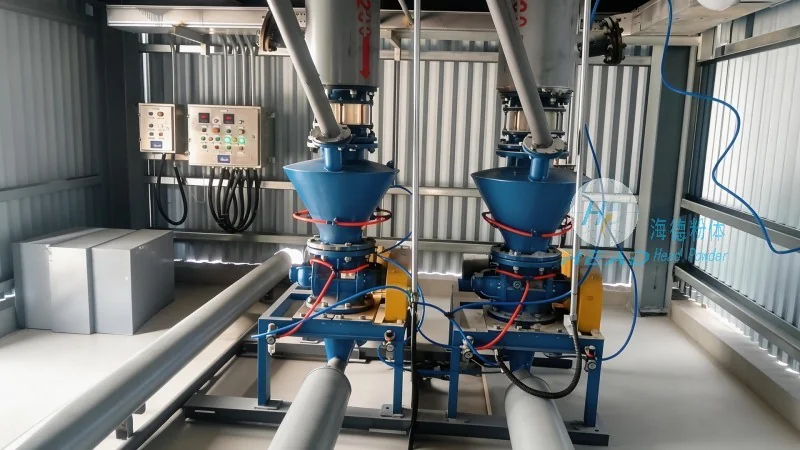
The design of a chromium(III) oxide powder conveying system follows several key principles to ensure optimal performance and safety. These principles are based on the physical and chemical properties of the powder and the operational requirements of the industrial process. The main design considerations include:
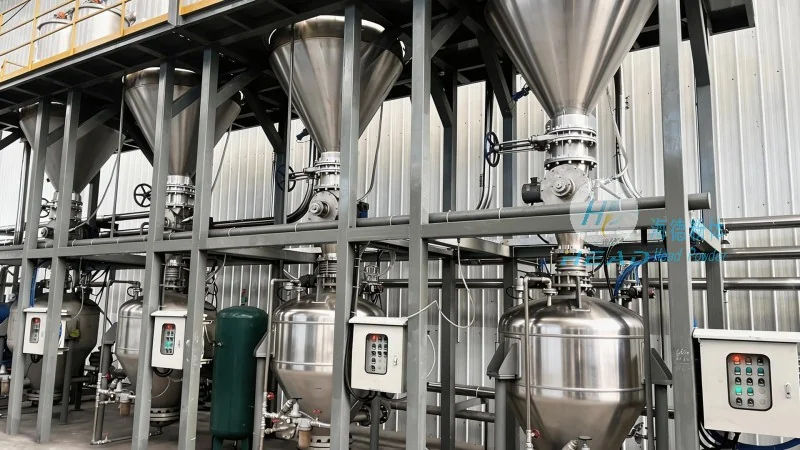
Chromium(III) oxide powder conveying systems are used in a variety of industrial applications where the reliable transport of this material is essential. Some common applications include:
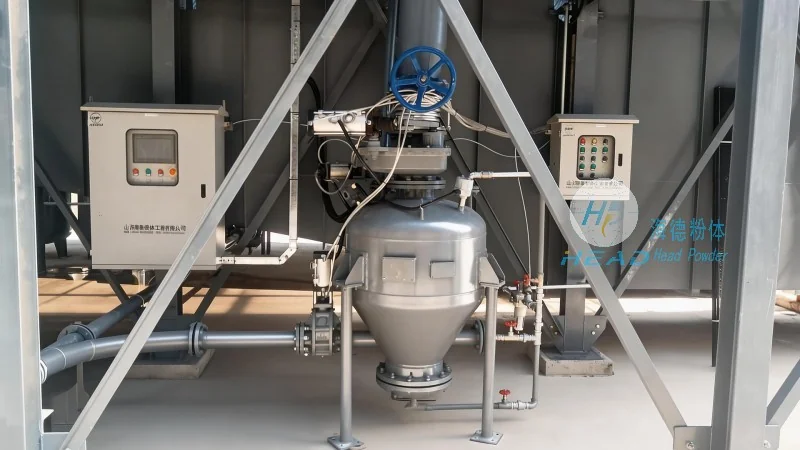
The benefits of using a well-designed chromium(III) oxide powder conveying system include improved production efficiency, reduced material waste, enhanced product quality, and increased safety for workers. By minimizing dust and ensuring consistent flow, these systems contribute to a more stable and reliable manufacturing process.
A chromium(III) oxide powder conveying system is a sophisticated piece of equipment that plays a vital role in the industrial processing of chromium(III) oxide. The design principles, components, and operational considerations outlined above are essential for ensuring the system's effectiveness and reliability. As a leading provider in this field, Shandong HeadPowder Engineering Co., Ltd. specializes in the design and manufacturing of such systems, leveraging years of experience to deliver solutions tailored to the unique needs of each industrial application. With a focus on material compatibility, safety, and efficiency, these systems help industries maintain high standards of production while optimizing their operations.

 Shandong Headpowder Engineering Co., Ltd.
 156-6277-7102(Manager Zhang)
  0531-83386006
  Zhangqiu District, Jinan City, Shandong Province, China
telephone
WeChatconsult
top