With more than 10‑year industry experience, Shandong Headpowder delivers full‑service pneumatic‑conveying systems and blowers, undertaking nationwide turn‑key powder‑handling projects.
Pneumatic conveying is a widely used method for transporting dry powders and granular materials, including micronized sand powders, through a pipeline system using air or other gases as the conveying medium. This technology offers a flexible and efficient solution for material handling in various industrial applications, such as construction, manufacturing, and chemical processing. The process involves the creation of a pressure differential within the pipeline, which propels the material from the source to the destination. Understanding the working principle and key characteristics of this system is crucial for optimizing its performance and ensuring reliable material transport.
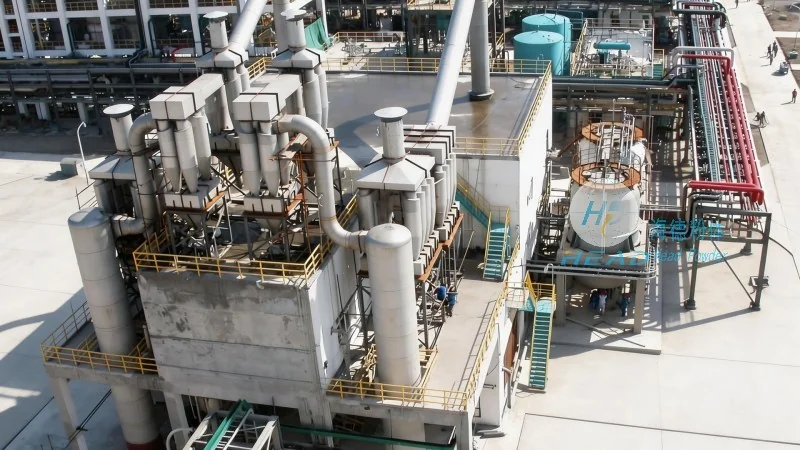
The core mechanism of pneumatic conveying for micronized sand powders relies on the interaction between the material particles and the air flow within the pipeline. The process typically involves several stages: material feeding, air injection, particle suspension, and transport. In the feeding stage, the micronized sand powder is introduced into the conveying line, often through a hopper or feeder. Air is then introduced into the pipeline, creating a flow that lifts and carries the powder particles. The air velocity must be sufficient to overcome the gravitational force acting on the particles, ensuring they remain suspended in the air stream. As the material travels through the pipeline, it is transported to the destination, where it is discharged. The entire system operates under controlled pressure and flow conditions to maintain consistent material transport rates and prevent blockages or degradation of the powder.
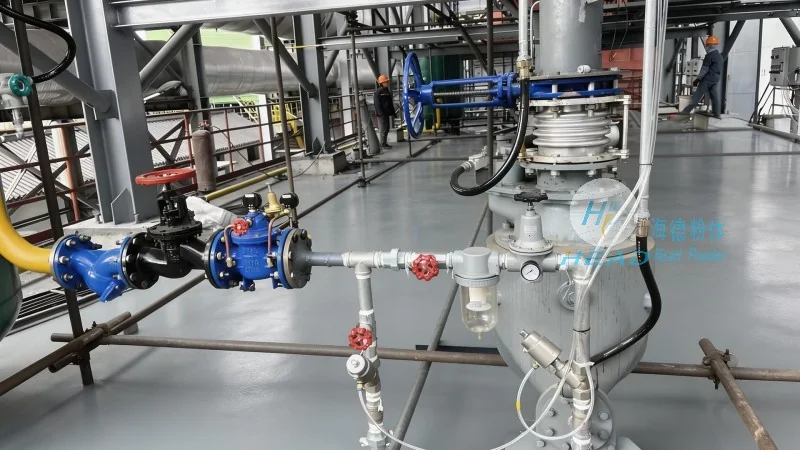
Several distinct characteristics define the performance of pneumatic conveying systems for micronized sand powders. First, the system's efficiency is heavily influenced by the particle size and density of the material. Micronized sand powders, with their fine particle size, require higher air velocities to achieve effective suspension compared to coarser materials. This can impact energy consumption and system design. Second, the system's flexibility allows for the transportation of materials over long distances and through complex pipeline configurations, including vertical and horizontal sections. This adaptability is essential for industrial settings where space constraints or layout requirements necessitate non-linear transport paths. Third, the system's ability to handle abrasive materials like micronized sand is a critical advantage. Unlike mechanical conveyors, which may suffer from wear and tear due to the abrasive nature of the powder, pneumatic systems can maintain longer operational lifespans with appropriate material selection for components. Fourth, the system's hygienic design is particularly important in industries where material purity is paramount, such as pharmaceuticals or food processing. The enclosed pipeline system minimizes exposure to contaminants and ensures the powder remains uncontaminated during transport.
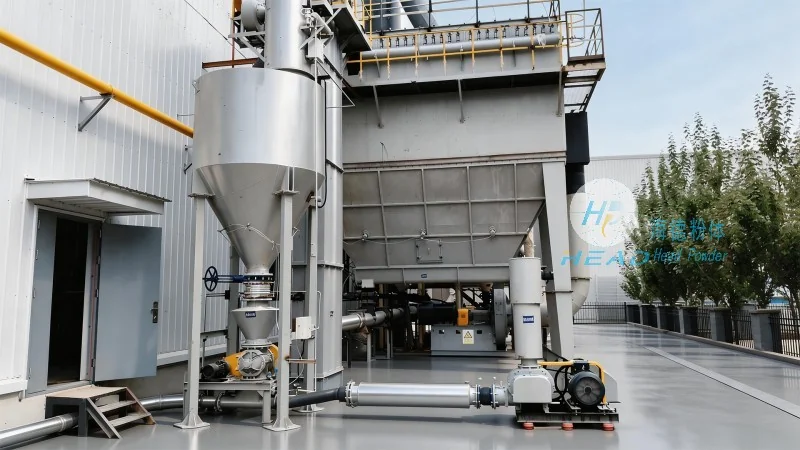
Shandong HeadPowder Engineering Co., Ltd., operating under the brand name headpowder, is a leading provider of advanced material handling solutions, including pneumatic conveying systems for micronized sand powders. With a focus on innovation and customer-centric design, the company specializes in developing customized solutions tailored to the specific needs of industrial clients. HeadPowder's expertise lies in optimizing the performance of pneumatic conveying systems to ensure efficient, reliable, and cost-effective material transport. The company's products and services are designed to meet the rigorous demands of modern industrial applications, offering solutions that enhance operational efficiency and reduce downtime. HeadPowder's commitment to quality and technical excellence has established it as a trusted partner in the material handling industry.
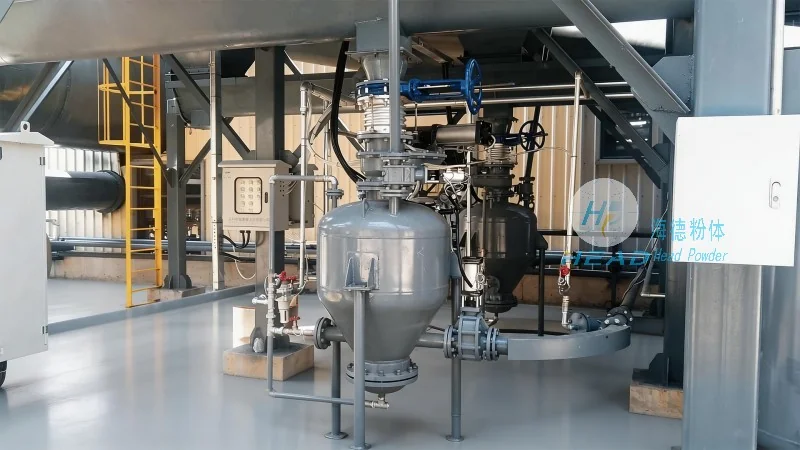
Pneumatic conveying of micronized sand powders is a sophisticated and effective method for material transport, characterized by its ability to handle fine, abrasive materials with high efficiency and flexibility. The working principle, which relies on air flow to suspend and transport particles, combined with key characteristics such as adaptability to complex layouts, resistance to material wear, and hygienic design, makes it an ideal choice for various industrial applications. As a leading provider in this field, Shandong HeadPowder Engineering Co., Ltd. continues to advance the technology, offering tailored solutions that meet the evolving needs of industrial clients. By understanding and leveraging the principles and characteristics of pneumatic conveying, industries can achieve improved material handling performance and operational reliability.

 Shandong Headpowder Engineering Co., Ltd.
 156-6277-7102(Manager Zhang)
  0531-83386006
  Zhangqiu District, Jinan City, Shandong Province, China
telephone
WeChatconsult
top