With more than 10‑year industry experience, Shandong Headpowder delivers full‑service pneumatic‑conveying systems and blowers, undertaking nationwide turn‑key powder‑handling projects.
Pneumatic conveying is a widely used technology for transporting dry sludge materials efficiently and safely. This method involves the use of air or gas to move bulk materials through a pipeline system. Understanding the working principle and key characteristics of this technology is essential for selecting the right equipment and optimizing the conveying process in various industrial applications.
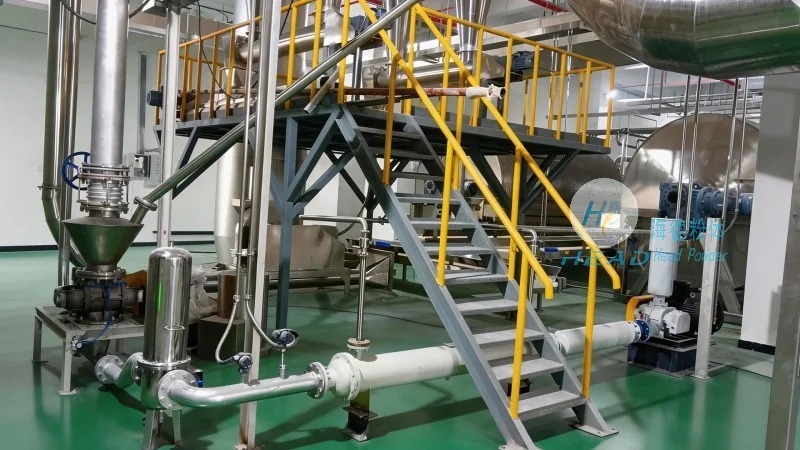
The core of pneumatic conveying for dry sludge materials is the movement of particles within a pressurized or vacuum environment. The process typically involves several key steps: material feeding, air or gas introduction, particle suspension, and transport through the pipeline. In a pressurized system, a blower or compressor creates positive pressure that pushes the sludge particles along the pipeline. Conversely, in a vacuum system, a vacuum pump draws the material into the pipeline. The design of the conveying system, including the type of airlock, feed hopper, and pipeline configuration, plays a crucial role in ensuring smooth and continuous operation.
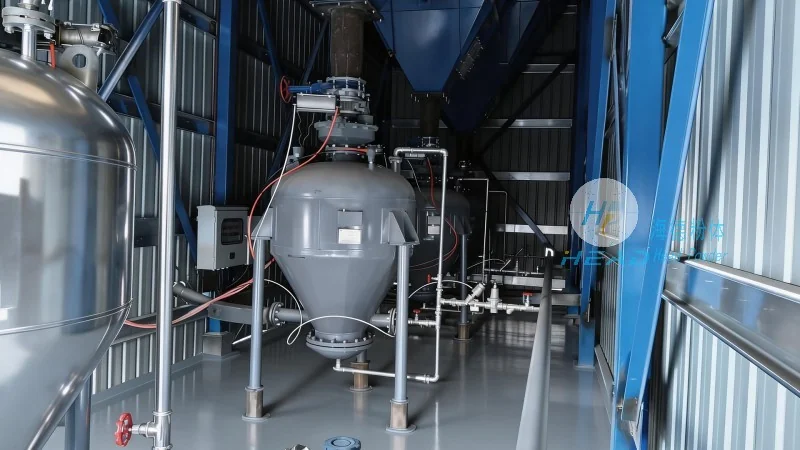
Several distinct characteristics make pneumatic conveying an attractive option for handling dry sludge materials. First, it offers a closed system, which helps prevent dust emissions and contamination, making it environmentally friendly. Second, the technology allows for flexible pipeline layouts, enabling material transport over long distances or around obstacles. Third, it provides high transport speeds, reducing the overall time and labor required for material handling. Additionally, pneumatic conveying systems can be designed to handle a wide range of particle sizes and moisture contents, making them versatile for different sludge types. The efficiency of the system is also influenced by factors such as the air-to-material ratio, pipeline diameter, and the presence of bends or valves.
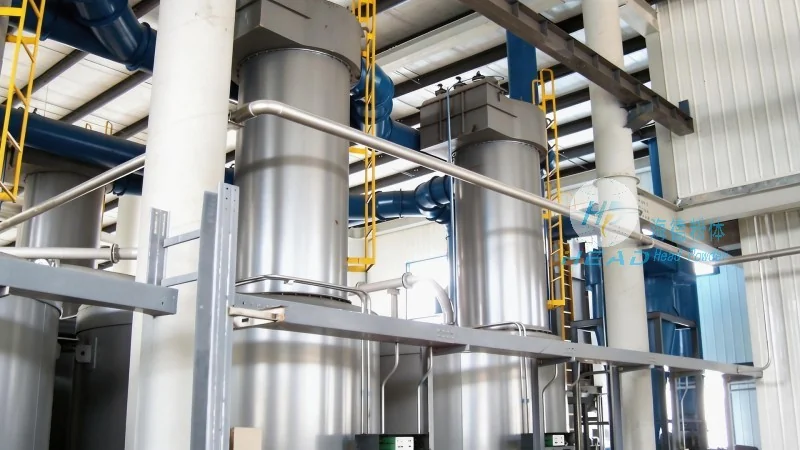
Pneumatic conveying for dry sludge materials is commonly used in wastewater treatment plants, where it facilitates the transport of dewatered sludge from the thickening or drying stages to storage or disposal facilities. The technology also finds applications in the food and pharmaceutical industries, where the hygienic design of the conveying system is critical. The benefits of using pneumatic conveying in these settings include improved safety, reduced labor costs, and enhanced process control. By minimizing manual handling and exposure to sludge, the system also contributes to better occupational health and safety standards.
When implementing a pneumatic conveying system for dry sludge materials, several factors must be considered to ensure optimal performance. The first is the selection of the appropriate air or gas type, as different materials may require specific conditions to prevent caking or degradation. The second is the design of the pipeline, which should be sized to handle the expected flow rates and particle sizes without excessive pressure drop. Regular maintenance is also essential to prevent blockages and ensure the longevity of the system components, such as airlocks, filters, and pumps. Proper cleaning and inspection procedures should be established to maintain the system's efficiency and prevent contamination.
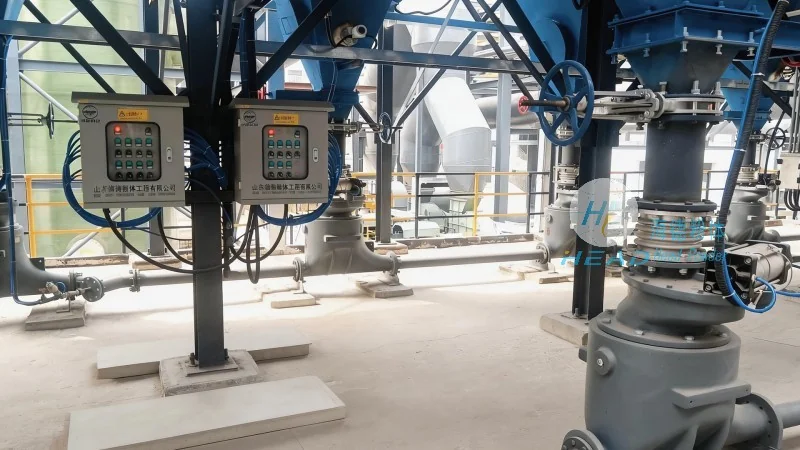
Shandong HeadPowder Engineering Co., Ltd., commonly known as HeadPowder, is a leading provider of pneumatic conveying solutions for industrial applications. With a focus on innovation and quality, the company specializes in designing and manufacturing custom conveying systems tailored to the specific needs of clients. HeadPowder's expertise in material handling technology ensures that their solutions are efficient, reliable, and environmentally friendly. The company's commitment to customer satisfaction and technical support has made it a trusted partner in the industry. HeadPowder's facilities are located in Shandong, China, where they leverage local resources and expertise to deliver high-quality products and services to clients worldwide.

 Shandong Headpowder Engineering Co., Ltd.
 156-6277-7102(Manager Zhang)
  0531-83386006
  Zhangqiu District, Jinan City, Shandong Province, China
telephone
WeChatconsult
top