

Application and Optimization of Pneumatic Conveying Technology in Chicken Feed Pellet Transport Desi
For companies in the poultry feed industry, efficient and reliable transport of chicken feed pellets is a critical operational requirement. Traditional methods such as belt conveyors or manual handling often face challenges like dust, contamination, and material loss. Pneumatic conveying technology offers a modern solution that addresses these issues while enhancing process efficiency. This article explores the application and optimization of pneumatic conveying systems specifically designed for chicken feed pellet transport, highlighting key considerations and benefits for feed manufacturers.
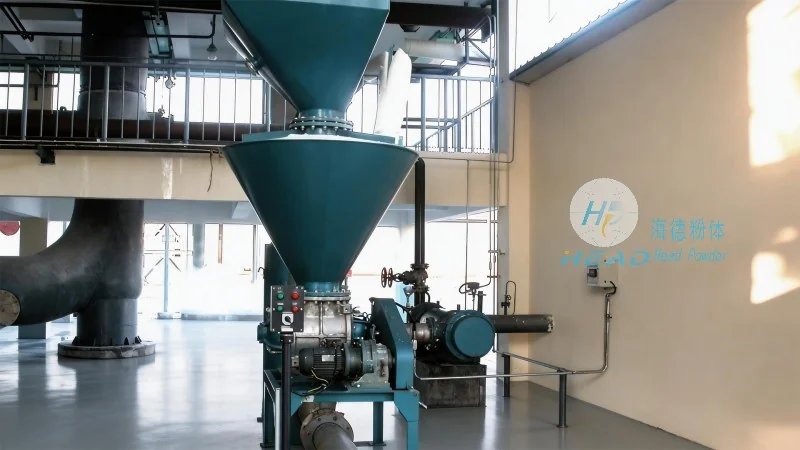
Understanding Pneumatic Conveying Technology
Pneumatic conveying uses air pressure to move bulk materials like chicken feed pellets through a system of pipes. Unlike mechanical conveyors, it eliminates the need for moving parts in the material path, reducing maintenance and downtime. The technology operates by creating a pressure differential that propels the pellets forward. There are two main types: pressure and vacuum systems. Pressure systems use compressed air to push material, while vacuum systems draw material using a fan. For chicken feed pellets, a combination of both may be optimized for different stages of the transport process.
Key Features of HeadPowder's Pneumatic Conveying Systems
Shandong HeadPowder Engineering Co., Ltd. specializes in designing and manufacturing customized pneumatic conveying solutions tailored to the unique needs of chicken feed production. Their systems are engineered to handle the specific characteristics of feed pellets, including moisture content, particle size, and flowability. Key features include:
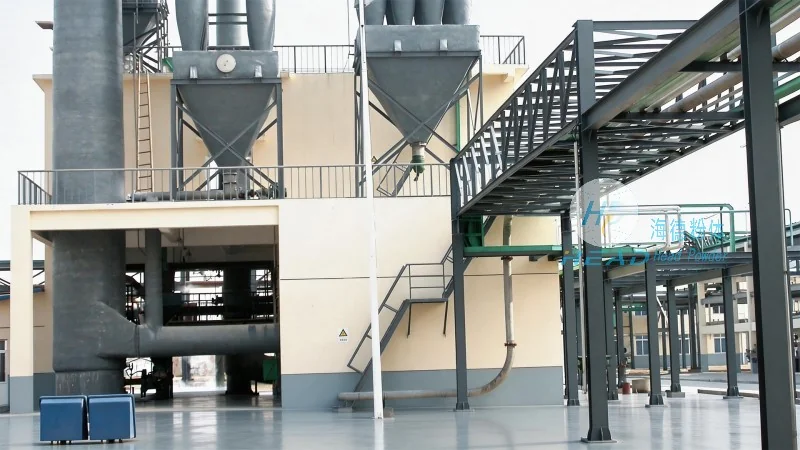
- Advanced control systems that ensure precise material flow and prevent overloading or underflow.
- Modular design that allows for easy integration with existing feed processing lines.
- High-efficiency air filtration to maintain product purity and comply with industry standards.
- Energy-efficient operation through optimized air velocity and pressure management.
Optimizing Transport Efficiency and Product Quality
Optimizing pneumatic conveying for chicken feed pellet transport involves balancing several factors to maximize efficiency while preserving product quality. HeadPowder's engineering team focuses on several critical aspects:
- System Sizing and Layout: Properly sizing the conveying line and selecting the appropriate pipe diameter and length is crucial. This ensures that the air velocity remains within the optimal range for the specific feed pellet characteristics, preventing material degradation or blockages.
- Air Velocity and Pressure Management: Maintaining consistent air velocity is essential to avoid excessive wear on the system components and to ensure uniform material transport. HeadPowder uses advanced sensors and control algorithms to dynamically adjust air pressure and flow rates, adapting to variations in feed pellet load.
- Material Handling and Dosing: The system includes specialized dosing and feeding mechanisms that ensure a steady and controlled flow of pellets into the conveying line. This prevents surges or gaps that could lead to system inefficiencies or product quality issues.
- Product Protection: Pneumatic conveying minimizes direct contact with equipment, reducing the risk of contamination from metal particles or other foreign materials. The enclosed system also helps maintain the pellets' moisture content and prevents dust dispersion, which is critical for maintaining product quality and compliance with regulatory standards.
Case Studies and Real-World Applications
HeadPowder has successfully implemented pneumatic conveying systems for numerous chicken feed manufacturers across China. For example, a client in Shandong province faced challenges with dust and material loss during the transport of high-moisture feed pellets. By installing a customized pressure-vacuum hybrid system, the client achieved a 30% reduction in material loss and a 20% decrease in maintenance costs. The system also improved product consistency, as the enclosed design prevented moisture variations caused by exposure to the environment.
Another case involved a feed mill in Henan that needed to transport pellets from the drying and cooling stage to the packaging line over a distance of 200 meters. HeadPowder designed a long-distance conveying system with multiple in-line filters and pressure boosters. The solution successfully delivered the pellets without degradation, meeting the client's production targets and maintaining product quality standards.
Customization and After-Sales Support
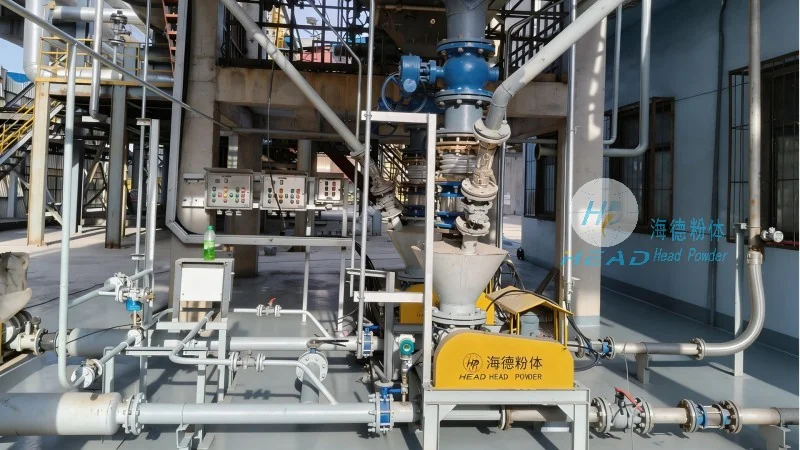
Each pneumatic conveying system from HeadPowder is customized to meet the specific requirements of the client. The company provides comprehensive engineering services, including on-site assessments, system design, and installation support. After the system is operational, HeadPowder offers ongoing maintenance and technical support to ensure long-term performance and reliability. Their team of engineers is experienced in troubleshooting common issues such as blockages, air leaks, and pressure fluctuations, providing timely solutions to minimize downtime.
Conclusion and Future Trends
Pneumatic conveying technology continues to be a vital component in modern chicken feed processing, offering significant advantages over traditional transport methods. By optimizing system design and operation, feed manufacturers can enhance efficiency, reduce costs, and maintain product quality. Shandong HeadPowder Engineering Co., Ltd. remains at the forefront of this technology, providing tailored solutions that address the evolving needs of the poultry feed industry. As the industry moves towards more automated and sustainable operations, the role of advanced pneumatic conveying systems will only grow, making them an essential investment for feed manufacturers seeking to stay competitive.