With more than 10‑year industry experience, Shandong Headpowder delivers full‑service pneumatic‑conveying systems and blowers, undertaking nationwide turn‑key powder‑handling projects.
When it comes to transporting food additives efficiently and safely, selecting the right pneumatic conveying system is crucial. Two primary types dominate the industry: positive pressure and negative pressure systems. Understanding the differences between these systems is essential for optimizing material handling processes in food processing facilities. This article will explore the key characteristics, advantages, and applications of both positive and negative pressure pneumatic conveying, helping you make an informed decision for your specific needs.
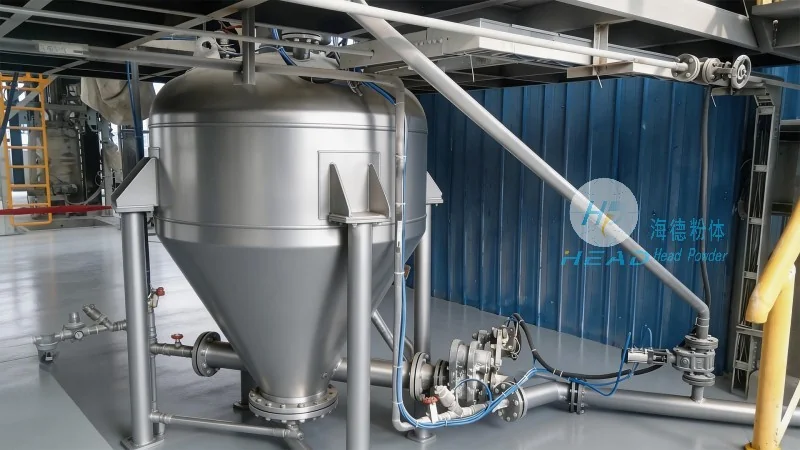
HeadPowder, a leading manufacturer in the field of powder handling and conveying solutions, specializes in providing tailored pneumatic conveying systems for the food industry. With years of experience and a deep understanding of industry standards, HeadPowder delivers high-quality equipment that ensures safety, efficiency, and compliance with regulatory requirements. Based in Shandong, China, the company has built a reputation for reliability and innovation in the design and implementation of food-grade pneumatic conveying systems.
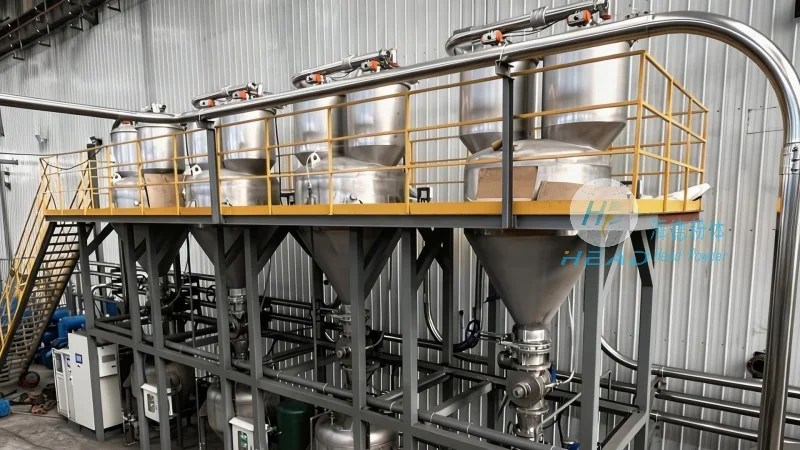
Positive pressure systems operate by blowing air or gas into the conveying line, creating a pressure higher than the ambient environment. This method is particularly effective for transporting food additives over long distances or through complex system layouts. The primary advantage of positive pressure is its ability to handle a wide range of materials, including fine powders and granules, with minimal particle degradation. Additionally, these systems are generally more energy-efficient for long-distance transport and can handle abrasive or corrosive materials without significant wear on components. However, they may require more maintenance due to the higher pressure and potential for air leaks. HeadPowder offers advanced positive pressure systems equipped with high-efficiency filters and robust material handling components to ensure consistent performance and compliance with food safety standards.
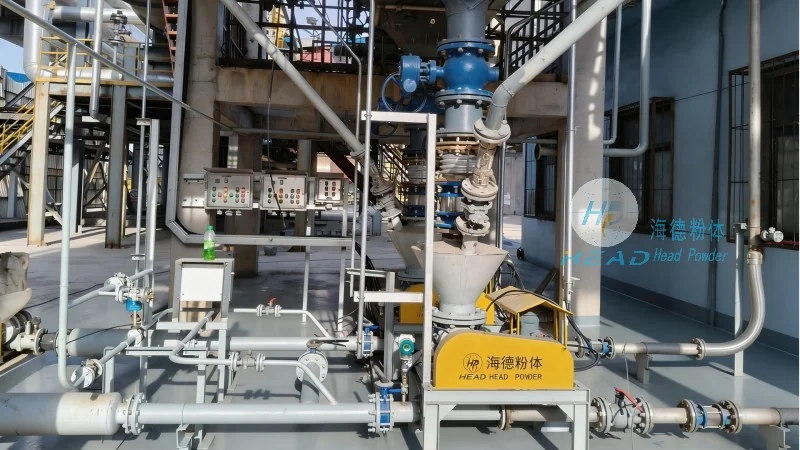
Negative pressure systems, also known as vacuum conveying, work by creating a vacuum inside the conveying line, drawing material from the source into the system. This approach is ideal for applications where the material needs to be transported from a low-level source to a higher destination, such as from a hopper to a processing line. The main benefits of negative pressure include lower operating costs for short to medium distances, reduced noise levels, and the ability to handle sensitive materials without excessive agitation. However, negative pressure systems may have limitations in terms of conveying distance and material capacity compared to positive pressure systems. They are also more susceptible to clogging if the material is too fine or has high moisture content. HeadPowder’s negative pressure solutions incorporate advanced vacuum pumps and filtration systems to maintain optimal performance and prevent material buildup in the system.
Choosing between positive and negative pressure pneumatic conveying depends on several factors, including the type of food additive, the distance to be covered, the system layout, and the required material handling capacity. Here are some key considerations to help you decide:
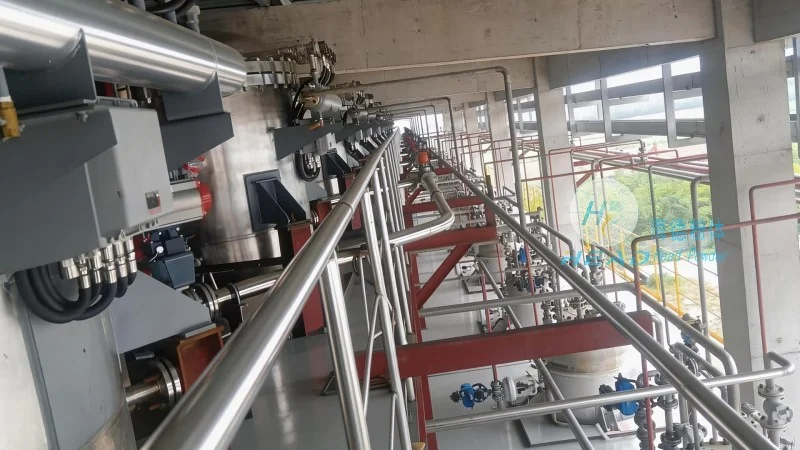
Ultimately, the choice between positive and negative pressure pneumatic conveying for food additives depends on a careful evaluation of your specific operational requirements. HeadPowder Engineering Co., Ltd. provides comprehensive solutions tailored to these needs, offering both positive and negative pressure systems designed to meet the highest standards of food safety and efficiency. By understanding the characteristics and applications of each system, you can select the most appropriate solution to optimize your material handling processes and ensure consistent product quality. Whether you need to transport fine powders over long distances or handle sensitive materials in a compact system, HeadPowder’s expertise and advanced technology can help you achieve your goals.

 Shandong Headpowder Engineering Co., Ltd.
 156-6277-7102(Manager Zhang)
  0531-83386006
  Zhangqiu District, Jinan City, Shandong Province, China
telephone
WeChatconsult
top