

Working Principle and Features of Maltose Pneumatic Conveying System Equipment
Shandong HeadPowder Engineering Co., Ltd., commonly known as HeadPowder, is a reputable enterprise specializing in the development and manufacturing of advanced pneumatic conveying systems for bulk materials, including maltose. This article delves into the fundamental working principle and key characteristics of such systems, offering insights into their efficiency and suitability for industrial applications.
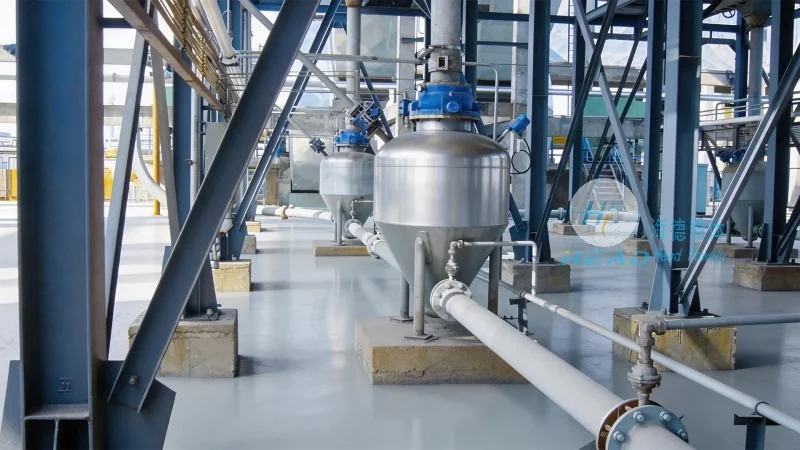
Working Principle of the Maltose Pneumatic Conveying System
The maltose pneumatic conveying system operates based on the principle of air suspension and transportation. The system comprises several core components: a material hopper, a rotary feeding valve, a conveying pipeline, a fan or blower for air supply, and a receiving container. When the system is initiated, the fan draws air into the pipeline, creating a low-pressure environment. The rotary valve regulates the flow of maltose from the hopper into the pipeline, where the material particles are entrained by the air stream. This air flow suspends the maltose particles, allowing them to be transported to the receiver. The system can operate in either positive or negative pressure modes, depending on the application. Positive pressure systems push air and material through the pipeline, while negative pressure systems draw material into the pipeline using suction. This flexibility enables the system to handle different material properties and distances efficiently.
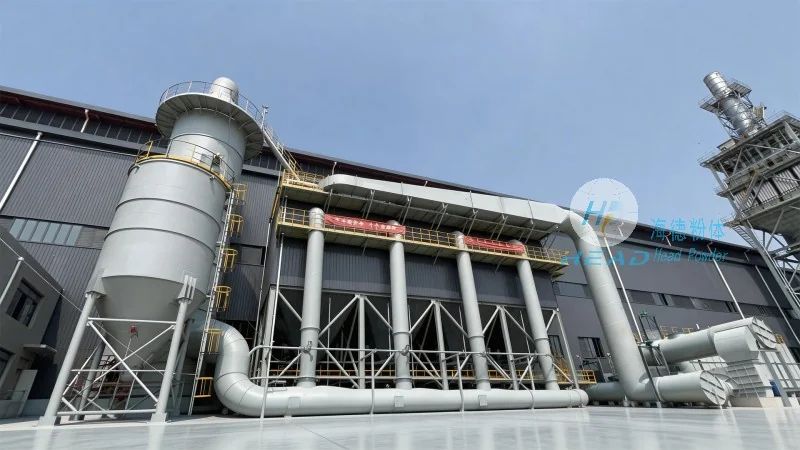
Key Features of the Maltose Pneumatic Conveying Equipment
HeadPowder's maltose pneumatic conveying systems are designed with several notable features that enhance performance and reliability. One of the primary features is the closed-loop air system, which reduces dust contamination and maintains a clean environment, crucial for handling hygroscopic materials like maltose. The system also includes adjustable air flow controls, enabling operators to fine-tune the conveying velocity according to the material's density and the required transport distance. This adjustability optimizes energy usage and ensures consistent material delivery. Additionally, the equipment is constructed with food-grade materials, such as stainless steel, to meet hygiene standards in food processing. These materials are non-corrosive, easy to clean, and resistant to bacterial growth, ensuring compliance with regulatory requirements. The system further incorporates safety features, including pressure relief valves and overload protection, to prevent equipment damage and ensure operational safety. Moreover, the design allows for easy maintenance, with accessible components that simplify routine checks and repairs.
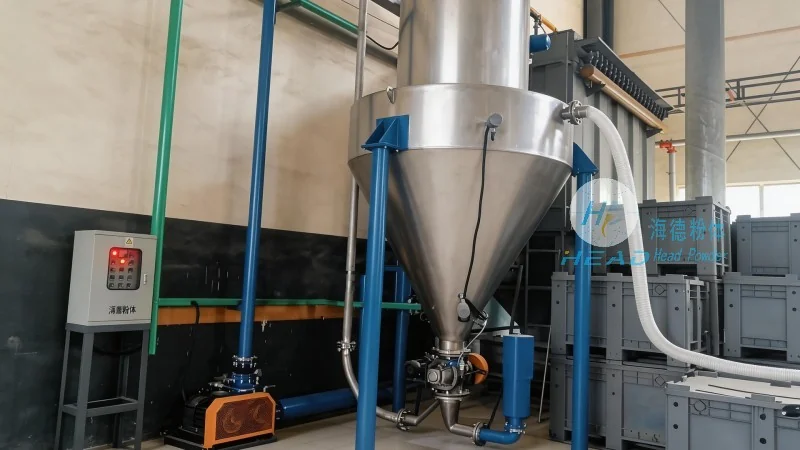
Efficiency and Performance in Industrial Settings
In industrial settings, the maltose pneumatic conveying system from Shandong HeadPowder Engineering Co., Ltd. demonstrates superior efficiency and reliability. The system's ability to handle bulk materials without the need for mechanical components reduces wear and tear, leading to lower maintenance costs over time. The air suspension method ensures that maltose particles are transported uniformly, minimizing segregation and ensuring consistent product quality. This is particularly beneficial in food processing, where product consistency is critical. The system's compact design also saves space in production facilities, making it suitable for both new installations and retrofitting existing equipment. Furthermore, the system's energy efficiency, achieved through adjustable air flow and optimized pipe design, contributes to lower operational costs and reduced environmental impact.