With more than 10‑year industry experience, Shandong Headpowder delivers full‑service pneumatic‑conveying systems and blowers, undertaking nationwide turn‑key powder‑handling projects.
Automatic pneumatic conveying systems are advanced industrial equipment designed to transport bulk materials such as powders, granules, and fine particles through a pipeline using air or other gases. These systems offer a highly efficient and flexible solution for material handling in various industries, including pharmaceuticals, food processing, chemicals, and mining. The core function of an automatic pneumatic conveying system is to move materials from a source point to a destination point without the need for mechanical components like belts or buckets, reducing maintenance and operational costs.
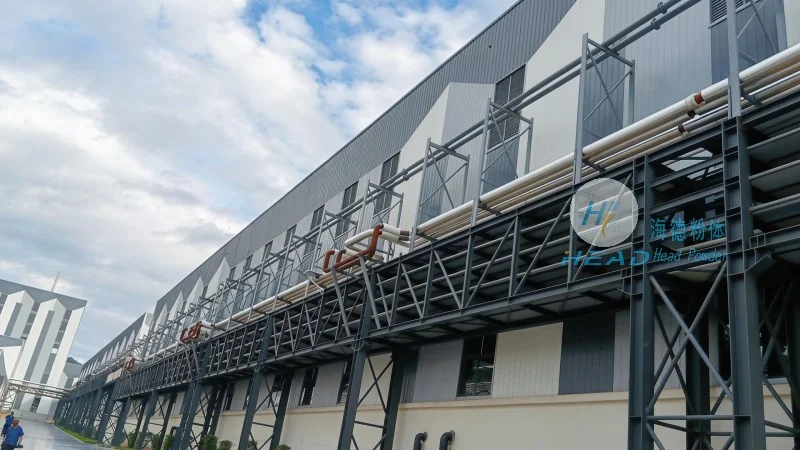
An automatic pneumatic conveying system typically consists of several key components that work in tandem to ensure smooth material transport. The primary components include a material feed hopper, a conveyor line (often with multiple sections), a control system, and a discharge outlet. The feed hopper is responsible for storing and feeding the bulk material into the system, while the conveyor line, which may be a positive or negative pressure system, transports the material through the pipeline. The control system manages the operation of the system, including air pressure, flow rates, and material feed rates. The discharge outlet is where the material is released at the destination point. Each component is carefully designed to ensure optimal performance and reliability, with considerations for material characteristics, system capacity, and operational environment.
The design of an automatic pneumatic conveying system is based on fundamental principles of fluid dynamics and material handling. The system operates by creating a pressure differential between the inlet and outlet of the conveyor line. In a positive pressure system, air is blown into the pipeline, pushing the material forward. In a negative pressure system, air is drawn out of the pipeline, creating a vacuum that pulls the material. The design principles involve calculating the required air velocity, pressure drop, and pipeline dimensions to ensure that the material is conveyed efficiently without degradation or blockage. Factors such as material density, particle size, moisture content, and flowability are critical in determining the appropriate system design. For example, cohesive materials may require higher air velocities or special hopper designs to prevent agglomeration, while lightweight materials may need lower velocities to avoid excessive pressure drops. The design also considers the system's capacity, with calculations based on the material's bulk density and the desired throughput rate. Engineers from Shandong HeadPowder Engineering Co., Ltd., a leading manufacturer based in China, employ advanced computational fluid dynamics (CFD) and material testing to optimize system designs, ensuring that each component is tailored to the specific application requirements.
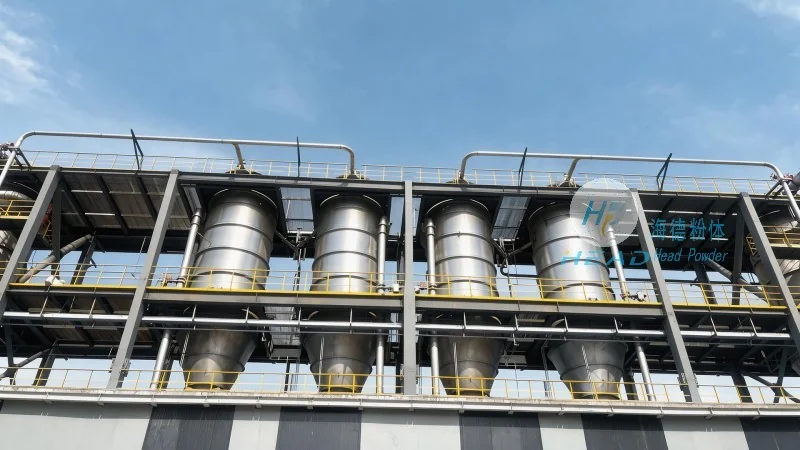
Automatic pneumatic conveying systems offer numerous advantages over traditional mechanical conveying methods. One of the most significant benefits is the reduction in maintenance and operational costs. Since there are no moving parts in the conveying line, there is less wear and tear, and fewer breakdowns. This leads to lower downtime and higher productivity. Additionally, the systems are highly flexible, allowing for easy reconfiguration or expansion as production needs change. They can handle a wide range of materials, from fine powders to bulk granules, and can transport materials over long distances without the need for intermediate storage or handling. The systems also provide better material containment, reducing dust emissions and improving workplace safety. In the pharmaceutical and food industries, where hygiene is paramount, automatic pneumatic conveying systems can be designed with stainless steel components and sealed systems to meet strict regulatory requirements. The design by Shandong HeadPowder Engineering Co., Ltd. emphasizes clean-in-place (CIP) capabilities and easy access for maintenance, ensuring compliance with industry standards.
Automatic pneumatic conveying systems are widely used across various industries due to their versatility and efficiency. In the pharmaceutical industry, they are used to transport active pharmaceutical ingredients (APIs), excipients, and finished dosage forms. The systems are designed to maintain the purity and integrity of the materials, with features such as sterile air filtration and contamination control. In the food processing industry, they handle ingredients like flour, sugar, and spices, ensuring that the materials remain fresh and free from contamination. The chemical industry uses these systems to transport powders and granules, such as catalysts and reagents, with considerations for chemical compatibility and corrosion resistance. In the mining and minerals sector, they are used to transport raw materials like coal, ore, and sand, often in large-scale operations. The design principles for each industry application are tailored to the specific material properties and operational conditions. For instance, in the mining industry, the systems may be designed to handle abrasive materials and high throughput rates, while in the food industry, they focus on hygiene and non-contamination. Shandong HeadPowder Engineering Co., Ltd. has extensive experience in designing and manufacturing systems for these diverse applications, leveraging their expertise to deliver customized solutions that meet the unique needs of each client.
One of the key strengths of automatic pneumatic conveying systems is their ability to be customized and integrated with existing industrial systems. Shandong HeadPowder Engineering Co., Ltd. works closely with clients to understand their specific requirements and integrate the pneumatic conveying system with their current production lines. This may involve connecting the system to existing hoppers, silos, or processing equipment, ensuring a seamless flow of materials. The company offers a range of customization options, including different material feed mechanisms, conveyor line configurations, and control systems. For example, a system may be designed with a rotary valve feed hopper for precise material control, or a flexible hose line for easy repositioning. The control system can be integrated with the client's existing SCADA (Supervisory Control and Data Acquisition) system, allowing for real-time monitoring and data collection. This integration enhances operational efficiency and provides valuable insights into material flow and system performance. The design process involves detailed consultations with the client, including site visits and material testing, to ensure that the final system meets all requirements and operates reliably. The company's team of engineers and technicians are experienced in handling complex integration projects, ensuring that the system is installed and commissioned smoothly.
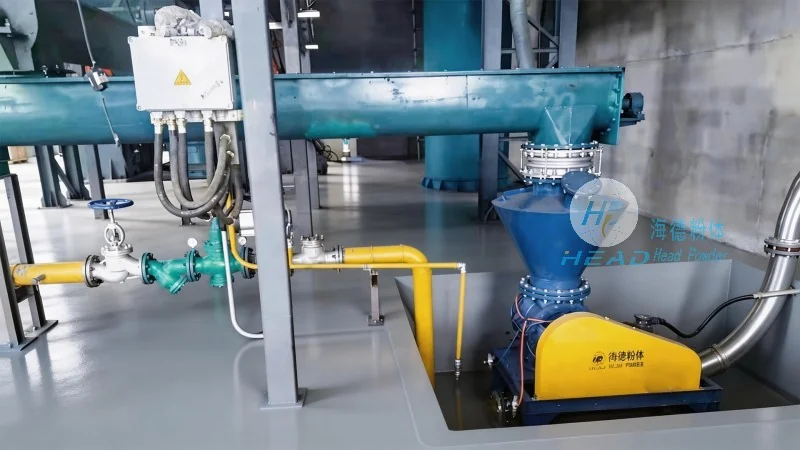
Proper maintenance and operational considerations are crucial for the long-term performance and reliability of automatic pneumatic conveying systems. Regular maintenance, including cleaning of the conveyor line, checking for air leaks, and inspecting components for wear, is essential to prevent system failures and ensure optimal performance. The control system should be monitored regularly to detect any anomalies or deviations from normal operation. For systems handling abrasive materials, the conveyor line and components may require more frequent inspection and replacement to prevent damage. The air filtration system is also critical, as it prevents dust accumulation and maintains the quality of the conveyed material. In systems using positive pressure, the air compressor and filters need to be maintained to ensure consistent air pressure and quality. Shandong HeadPowder Engineering Co., Ltd. provides comprehensive maintenance services, including scheduled inspections, component replacement, and troubleshooting. The company's technical support team is available to assist clients with any issues that may arise, ensuring that the system operates at peak efficiency. Proper training of operators on the system's operation and maintenance is also important to maximize the system's lifespan and performance. By following recommended maintenance procedures and operational guidelines, clients can extend the life of their pneumatic conveying system and minimize downtime.
As technology advances, automatic pneumatic conveying systems are evolving to meet the changing needs of industries. Innovations in materials and design are improving system performance and efficiency. For example, the use of high-strength polymers and stainless steel alloys in conveyor line construction enhances durability and resistance to corrosion. Advanced control systems, including artificial intelligence (AI) and machine learning, are being integrated to optimize system operation and predict maintenance needs. These systems can analyze data from sensors and adjust parameters in real-time to maintain optimal performance. Additionally, the development of more energy-efficient air compressors and filtration systems reduces operational costs and environmental impact. The trend towards automation and integration with other industrial systems is also increasing, with pneumatic conveying systems becoming part of larger automated production lines. Shandong HeadPowder Engineering Co., Ltd. is at the forefront of these innovations, investing in research and development to incorporate the latest technologies into their products. The company's commitment to innovation ensures that their systems remain competitive and meet the evolving demands of the market. As industries continue to prioritize efficiency, safety, and sustainability, pneumatic conveying systems will play an increasingly important role in material handling, and the advancements in technology will further enhance their capabilities.

 Shandong Headpowder Engineering Co., Ltd.
 156-6277-7102(Manager Zhang)
  0531-83386006
  Zhangqiu District, Jinan City, Shandong Province, China
telephone
WeChatconsult
top