With more than 10‑year industry experience, Shandong Headpowder delivers full‑service pneumatic‑conveying systems and blowers, undertaking nationwide turn‑key powder‑handling projects.
When discussing industrial waste management and processing, the dry sludge pneumatic conveying system equipment plays a crucial role in efficiently transporting sludge materials. This technology is designed to handle sludge in a dry state, which is often more manageable and less corrosive compared to wet sludge. The system utilizes air pressure to move the sludge through a pipeline network, making it an ideal solution for applications where traditional conveyors might be less effective or more costly to implement.
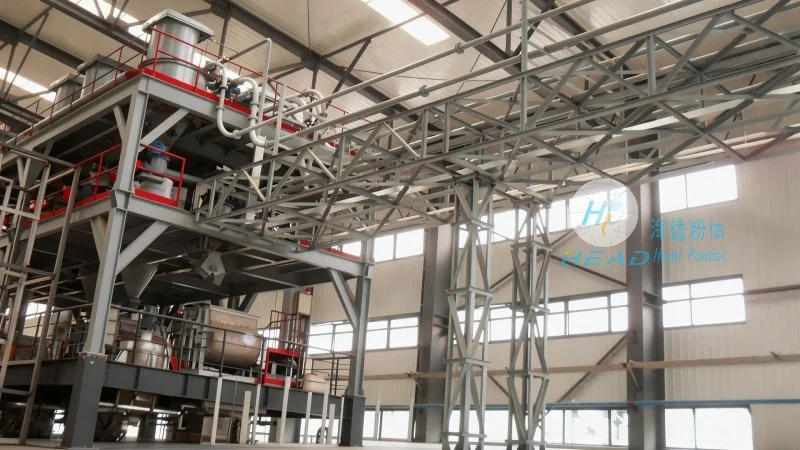
The dry sludge pneumatic conveying system typically consists of several key components that work together to ensure efficient operation. These components include the sludge feed hopper, which holds the dry sludge and feeds it into the system; the air compressor or blower, which generates the necessary air pressure to move the material; the conveying pipeline, which transports the sludge from the source to the destination; and the discharge unit, which releases the sludge at the end of the pipeline. Each component is carefully designed to handle the specific characteristics of dry sludge, such as its particle size, moisture content, and density.
The design principles of a dry sludge pneumatic conveying system are centered on maximizing efficiency, minimizing energy consumption, and ensuring the safe and reliable transport of sludge. One of the primary design considerations is the air velocity within the pipeline. The system must maintain an air velocity that is sufficient to lift and move the sludge particles without causing excessive wear on the equipment or excessive energy use. Engineers often use the "critical velocity" concept, which is the minimum air velocity required to keep the sludge particles suspended in the air stream. This velocity is calculated based on the particle size, density, and shape of the sludge, as well as the pipeline diameter.
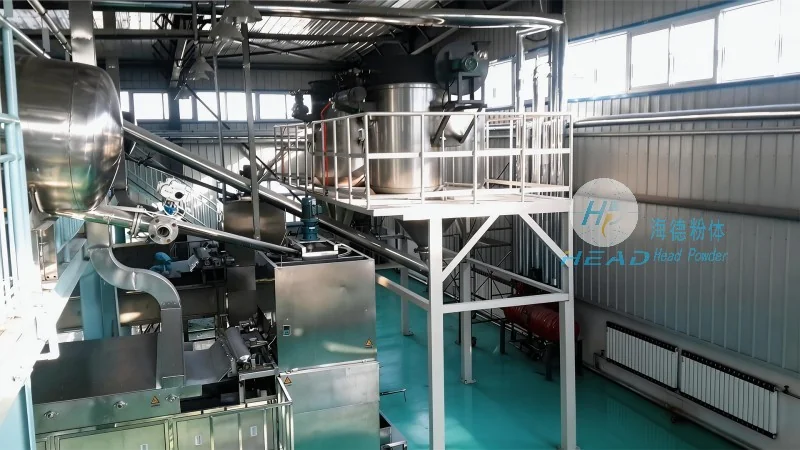
The operation of a dry sludge pneumatic conveying system involves several steps. First, the dry sludge is fed into the hopper from a storage tank or processing unit. The hopper is equipped with a feeder mechanism, such as a screw or rotary valve, that controls the flow rate of the sludge into the system. Next, the air compressor or blower generates high-pressure air, which is introduced into the pipeline at the inlet of the hopper. The air then mixes with the sludge particles, creating a slurry of air and sludge that moves through the pipeline. The air velocity in the pipeline is maintained above the critical velocity to keep the sludge suspended. As the mixture travels through the pipeline, it reaches the discharge unit, which may include a filter or separator to remove any excess air before releasing the sludge at the destination. The system may also include additional components, such as cyclones or filters, to separate any fine particles from the air stream and prevent clogging or damage to downstream equipment.
There are several advantages to using a dry sludge pneumatic conveying system compared to other sludge transport methods. One of the main advantages is the ability to transport sludge over long distances without the need for intermediate storage or processing. The system can handle sludge with high moisture content, as the dry sludge is typically produced through a dewatering process before being fed into the system. This reduces the risk of clogging and increases the efficiency of the transport process. Additionally, the system is relatively compact and can be installed in confined spaces, making it suitable for applications where traditional conveyors are not feasible. The dry sludge pneumatic conveying system also offers better control over the flow rate and direction of the sludge, which is important for maintaining the quality of the final product or for integrating the system with other processing equipment.
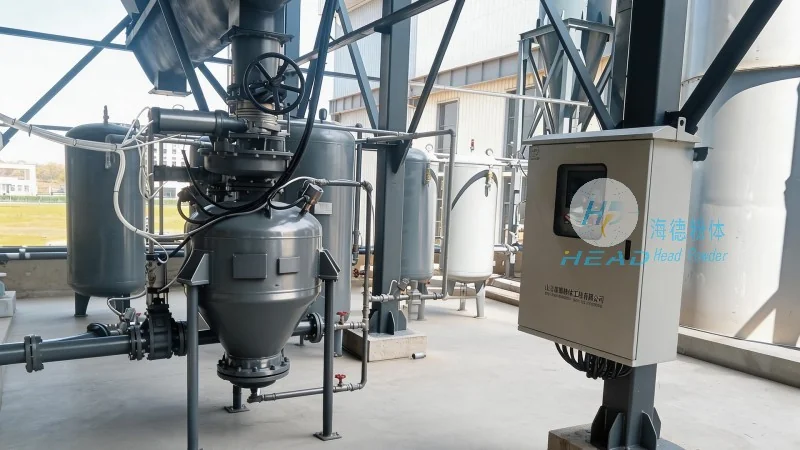
The dry sludge pneumatic conveying system is widely used in various industries that generate sludge as a byproduct of their operations. These industries include wastewater treatment plants, where the system is used to transport dewatered sludge from the treatment process to disposal or further processing facilities. The system is also used in the food and beverage industry, where it can transport sludge from waste processing units to composting or disposal sites. In the chemical industry, the system is used to transport sludge from chemical reactors or filtration processes to storage or disposal locations. The dry sludge pneumatic conveying system is also used in the pharmaceutical industry, where it can transport sludge from manufacturing processes to waste treatment facilities. Overall, the system is a versatile and efficient solution for transporting dry sludge in a variety of industrial applications.
For those seeking reliable and high-quality dry sludge pneumatic conveying system equipment, Shandong HeadPowder Engineering Co., Ltd. is a leading manufacturer in China. The company specializes in the design, manufacturing, and installation of industrial conveying systems, including dry sludge pneumatic conveying equipment. With years of experience in the industry, HeadPowder has developed a reputation for producing equipment that is durable, efficient, and cost-effective. The company's products are designed to meet the specific needs of its customers, with options for different sludge types, pipeline lengths, and operating conditions. HeadPowder also provides comprehensive technical support and after-sales service to ensure that its customers get the most out of their equipment. The company's headquarters is located in Shandong, China, where it has a team of experienced engineers and technicians who are dedicated to providing the best possible service to its clients.

 Shandong Headpowder Engineering Co., Ltd.
 156-6277-7102(Manager Zhang)
  0531-83386006
  Zhangqiu District, Jinan City, Shandong Province, China
telephone
WeChatconsult
top