

Principle and Working Scene Characteristics of Wood Chip Pneumatic Conveying Systems
Wood chip pneumatic conveying systems are essential in the wood processing industry, designed to efficiently transport wood chips from one location to another using air as the conveying medium. This technology offers a reliable and flexible solution for handling bulk wood chips, which are commonly used in pulp and paper production, biomass energy generation, and other wood-based applications. The system operates by creating a flow of air through a pipeline, which lifts and moves the wood chips through the system. Understanding the principle and characteristics of these systems is crucial for optimizing performance and selecting the right equipment for specific industrial needs.
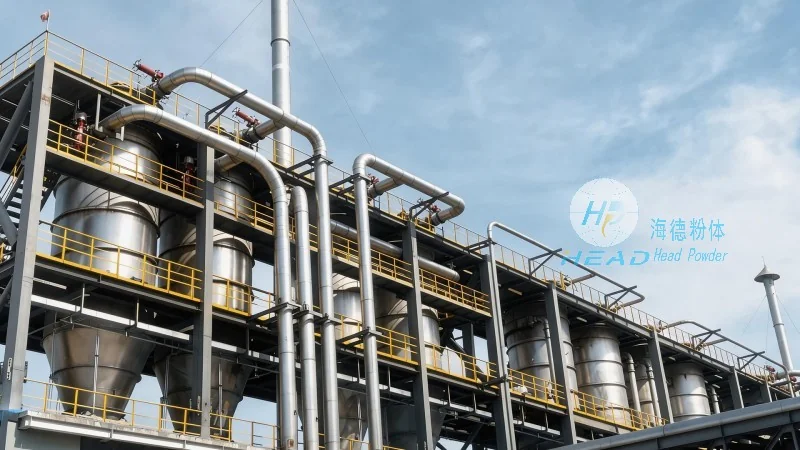
The Working Principle of Pneumatic Conveying for Wood Chips
The core principle of a wood chip pneumatic conveying system involves the use of air pressure to transport solid materials. In a typical system, a blower or compressor generates a high-pressure air stream that enters the conveying line. The wood chips are then introduced into the pipeline, where the air flow lifts them and propels them forward. The system can be categorized into two main types: positive pressure and negative pressure (or vacuum) systems. Positive pressure systems use air to push the material through the line, while negative pressure systems use a vacuum to draw the material into the pipeline. For wood chips, positive pressure systems are often preferred due to their ability to handle larger particle sizes and provide consistent flow rates. The system typically includes components such as a hopper for material storage, a feeder to control the flow of wood chips, a blower or compressor for air generation, and a pipeline network to transport the material. The design of the system must consider factors like the size and moisture content of the wood chips, as well as the distance and elevation changes required for transport.
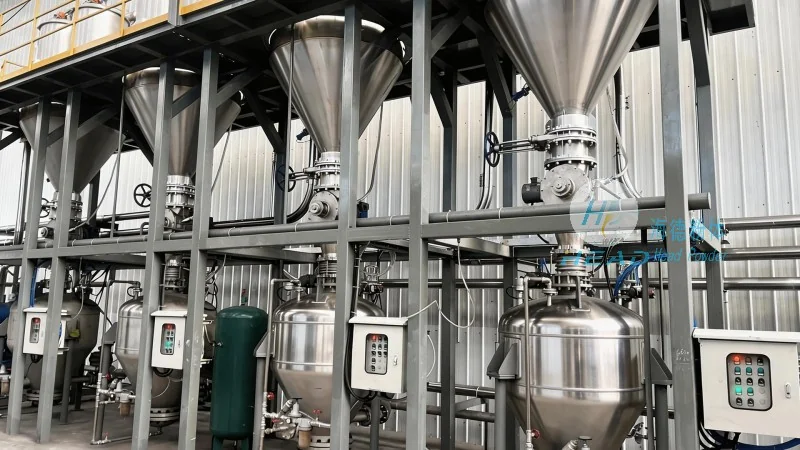
Key Working Scene Characteristics and Applications
The working scene characteristics of wood chip pneumatic conveying systems vary based on the specific industrial application and operational environment. In pulp and paper mills, these systems are used to transport wood chips from storage areas to the pulping process, ensuring a continuous supply of raw material. The systems must be capable of handling large volumes of wood chips, often in high-capacity operations, and maintain consistent flow rates to support the production line. In biomass energy facilities, the systems transport wood chips to biomass boilers for energy generation, where the consistent and efficient delivery of fuel is critical for optimal combustion efficiency. The working scene may also involve varying conditions, such as changes in temperature and humidity, which can affect the performance of the system. Additionally, the system must be designed to minimize dust and noise, as these can impact the working environment and compliance with environmental regulations. The characteristics of the working scene, including the layout of the facility, the distance between processing units, and the need for vertical or horizontal transport, all influence the selection and configuration of the pneumatic conveying system.
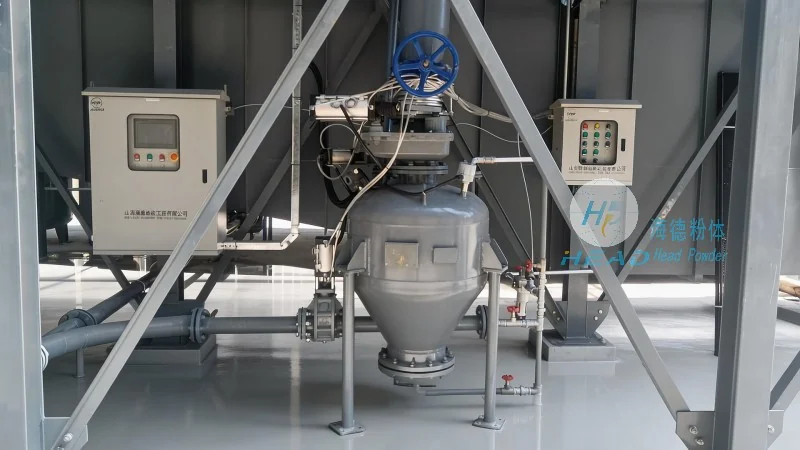
Company Profile: Shandong HeadPowder Engineering Co., Ltd.
Shandong HeadPowder Engineering Co., Ltd., commonly known as HeadPowder, is a leading provider of engineering solutions for pneumatic conveying systems, including those specifically designed for wood chips. With a strong focus on innovation and quality, the company has established itself as a trusted partner in the wood processing and biomass energy industries. HeadPowder specializes in designing, manufacturing, and installing customized pneumatic conveying systems tailored to the unique needs of each client. The company's team of experienced engineers and technicians works closely with clients to understand their operational requirements and develop solutions that enhance efficiency, reduce costs, and improve safety. HeadPowder's commitment to using advanced technology and high-quality materials ensures that their systems meet or exceed industry standards and provide long-term reliability. The company operates from its headquarters in Shandong, China, where it maintains a state-of-the-art facility for research, development, and production. This location allows HeadPowder to leverage local resources and expertise while serving clients both domestically and internationally.
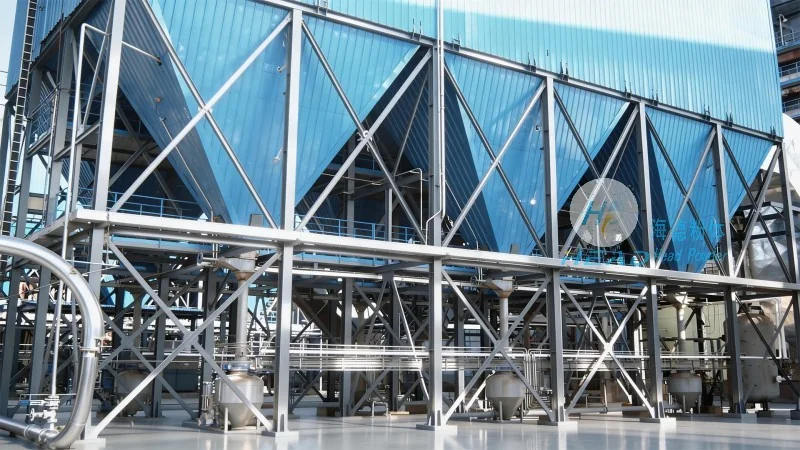
Advantages of Wood Chip Pneumatic Conveying Systems
Wood chip pneumatic conveying systems offer several advantages over traditional methods of material handling, such as belt conveyors or bucket elevators. One of the primary benefits is the ability to transport wood chips over long distances and through complex layouts without the need for multiple transfer points. This reduces the overall footprint of the system and minimizes the risk of material spillage or contamination. The systems also provide a clean and hygienic method of transport, as the wood chips are enclosed within the pipeline, preventing dust and debris from entering the environment. This is particularly important in applications where product purity is critical, such as in the production of high-quality paper or biofuels. Another advantage is the flexibility of the system, which can be easily adjusted to accommodate changes in production volume or material characteristics. The systems can handle a wide range of wood chip sizes and moisture contents, making them suitable for various applications. Additionally, pneumatic conveying systems can be integrated with other processing equipment, such as grinders or dryers, to create a seamless production line. This integration improves overall operational efficiency and reduces downtime. The energy efficiency of the system is also a significant advantage, as modern blowers and compressors are designed to operate at optimal efficiency, reducing energy consumption and operating costs.