

Working Principle and Characteristics of Bulk Material Mixing Pneumatic Conveying
For industrial applications that require precise and efficient mixing of bulk materials, pneumatic conveying systems offer a reliable solution. The process of bulk material mixing through pneumatic conveying involves several key steps and features that distinguish it from other material handling methods. This article explores the working principle and characteristics of such systems, providing insights into how they operate and their advantages in material handling.
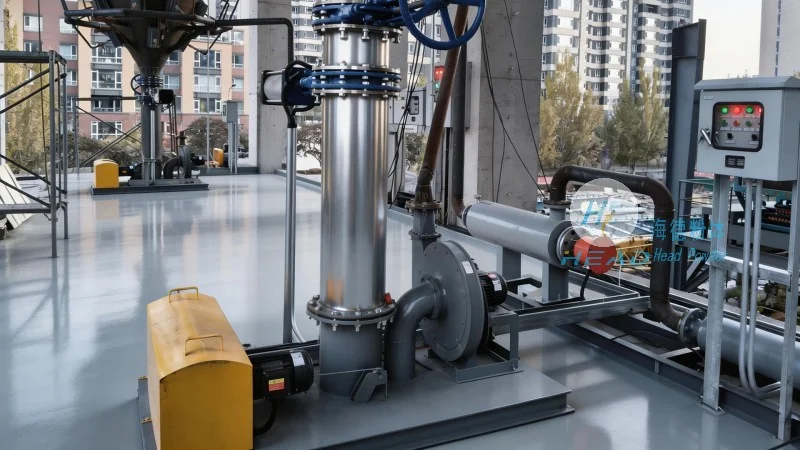
Understanding the Working Principle of Pneumatic Conveying for Bulk Material Mixing
The core of a pneumatic conveying system for bulk material mixing lies in the use of air or gas to transport materials from one location to another. The process typically begins with the feeding of dry bulk materials into a hopper or feeder. From there, the material is drawn into a pipeline by a vacuum or pressure source, depending on the system design. As the material moves through the pipeline, it is mixed with the conveying air, which helps to break up agglomerates and ensure uniform distribution. The mixing occurs as the material travels through the pipeline, often aided by internal components such as mixers or agitators that enhance the blending process. The system then delivers the mixed material to the discharge point, where it is collected and used in the next stage of production.
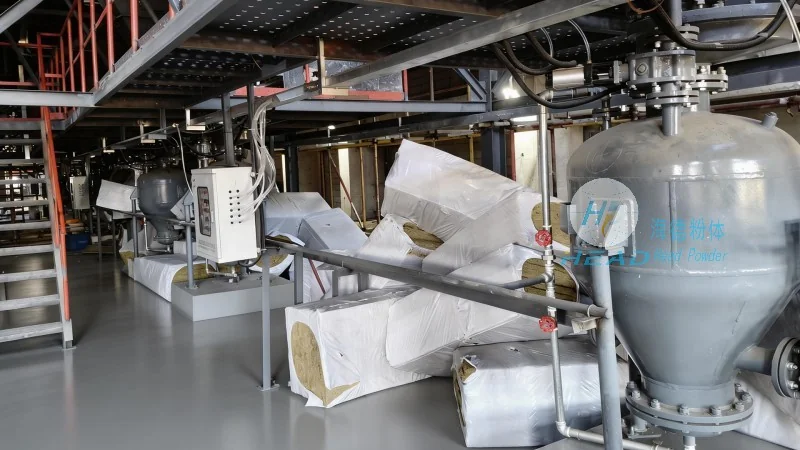
Key Characteristics of Bulk Material Mixing Pneumatic Conveying Systems
Several distinct characteristics define pneumatic conveying systems used for bulk material mixing. First, the systems are designed to handle a wide range of materials, from fine powders to larger granules, without the need for mechanical components that could cause contamination or damage. The use of air as the conveying medium ensures that the material remains dry and free from moisture, which is critical for many industrial processes. Additionally, the systems offer high flexibility in terms of layout and integration, as they can be installed in various configurations to suit the specific needs of a facility. Another key characteristic is the ability to control the flow rate and mixing intensity, allowing operators to adjust the process parameters to achieve the desired material consistency. This level of control is essential for applications where precise mixing is required, such as in pharmaceuticals, food processing, and chemical manufacturing.
Advantages and Applications of Pneumatic Conveying for Bulk Material Mixing
Pneumatic conveying systems for bulk material mixing offer numerous advantages over traditional mechanical conveying methods. One of the primary benefits is the reduction in equipment wear and tear, as there are no moving parts in direct contact with the material. This leads to lower maintenance costs and longer equipment lifespan. Additionally, the systems are more hygienic and easier to clean, making them suitable for industries with strict sanitary requirements. The ability to handle materials in a closed system also minimizes dust emissions and environmental impact, which is increasingly important for modern industrial operations. In terms of applications, these systems are widely used in the chemical, food, pharmaceutical, and mining industries, where the mixing of bulk materials is a critical step in the production process. For example, in the pharmaceutical industry, pneumatic conveying is used to mix active ingredients with excipients, ensuring uniform distribution and compliance with regulatory standards. Similarly, in the food industry, the systems are employed to blend spices, powders, and other ingredients, maintaining product quality and consistency.
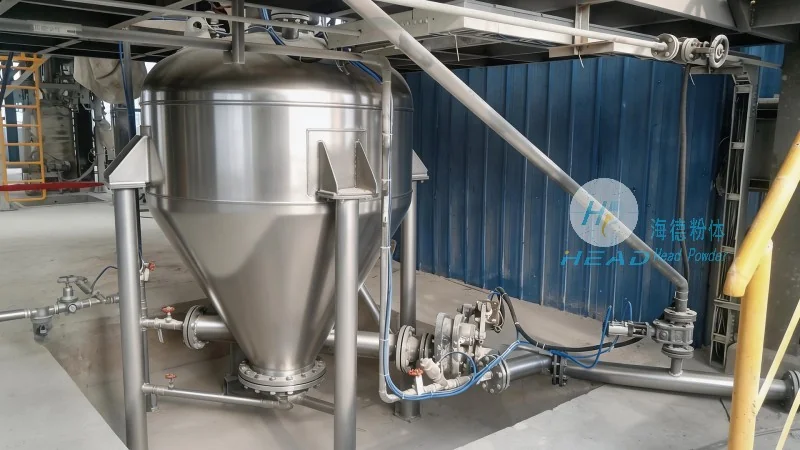
Conclusion and Company Overview
Overall, pneumatic conveying systems for bulk material mixing provide an efficient and reliable method for handling and blending dry materials. The working principle, which relies on air to transport and mix materials, offers several key advantages, including flexibility, hygiene, and reduced maintenance. These systems are essential for industries that require precise control over material handling processes. As a leading provider in this field, Shandong HeadPowder Engineering Co., Ltd. specializes in designing and manufacturing customized pneumatic conveying solutions tailored to the specific needs of clients. With a focus on quality and innovation, the company has established itself as a trusted partner for businesses seeking to optimize their material handling operations. Based in Shandong, China, HeadPowder continues to advance the technology of pneumatic conveying, helping industries achieve higher efficiency and product quality in their operations.