

Working Principle and Characteristics of Low-Pressure Continuous Pneumatic Conveying
Low-pressure continuous pneumatic conveying is a widely used technology in material handling, particularly for transporting bulk materials over short to medium distances. This method involves the use of a low-pressure air stream to move particles through a pipeline system. The process typically begins with the material being fed into a hopper or feeder, where it is then drawn into the conveying line by the air flow. The air, often mixed with the material, travels through the pipeline, carrying the particles to the destination point. At the receiving end, the material is separated from the air, usually through a cyclone or other separation device, and collected in a bin or container.
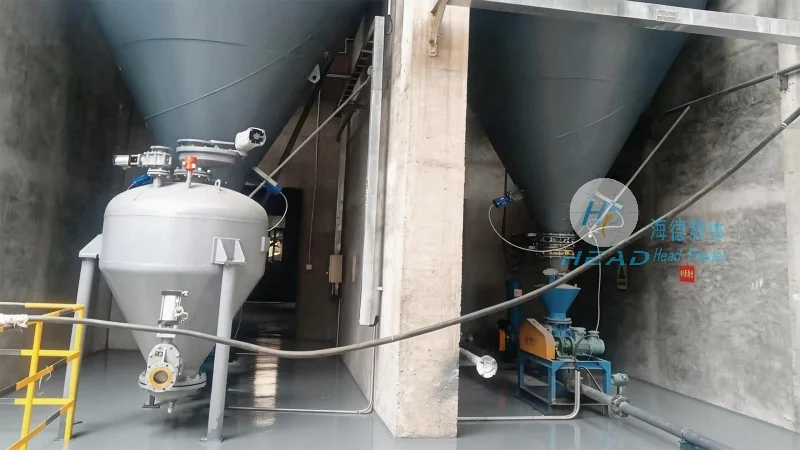
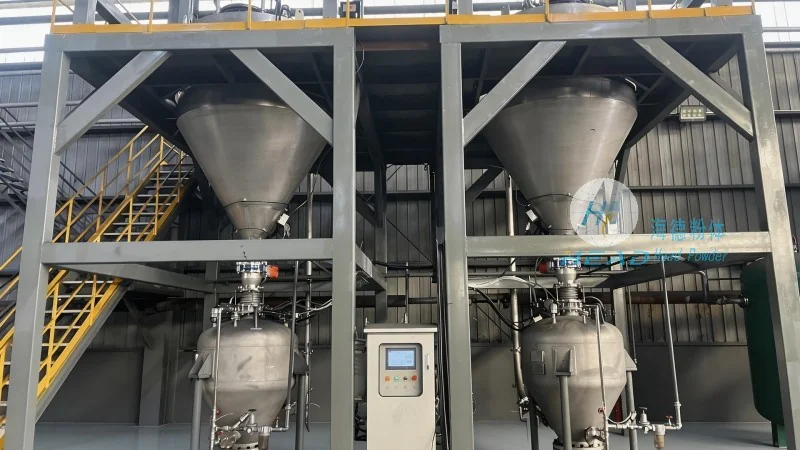
Working Principle of Low-Pressure Continuous Pneumatic Conveying
The core of low-pressure continuous pneumatic conveying lies in the balance between the air velocity and the material's particle size and density. The system operates under a relatively low pressure, typically ranging from a few hundred to a few thousand pascals, which is much lower than that of high-pressure systems. This lower pressure reduces energy consumption and equipment costs while still providing sufficient force to move the material. The continuous nature of the process means that material is fed at a steady rate, and the conveying line operates continuously without interruptions, ensuring a smooth and consistent flow. The air stream is generated by a blower or fan, which draws air from the environment and directs it into the conveying line. The material is introduced into the system at the inlet, and the air flow carries it through the pipeline. The velocity of the air must be sufficient to overcome the gravitational force acting on the particles and to provide the necessary lift. The design of the conveying line, including the diameter of the pipes and the angle of the bends, is critical to maintaining the air velocity and preventing material deposition or blockages. The system often includes a series of components such as feeders, cyclones, filters, and control valves to ensure efficient operation and material separation.
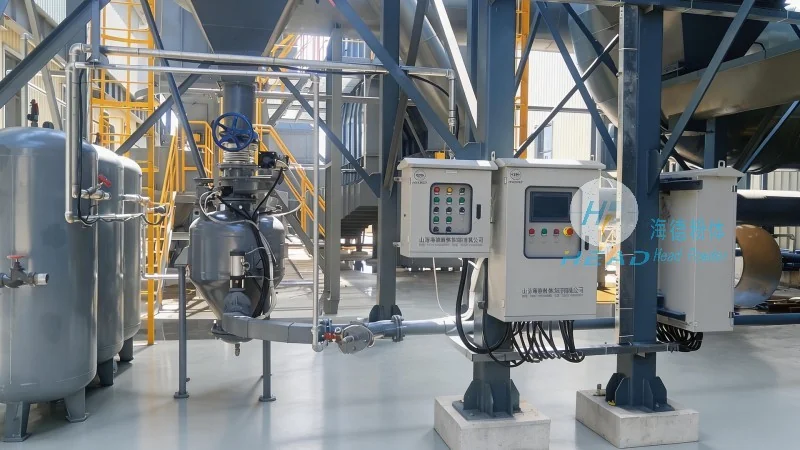
Key Characteristics of Low-Pressure Continuous Pneumatic Conveying
Low-pressure continuous pneumatic conveying offers several distinct advantages that make it suitable for various industrial applications. One of the primary characteristics is its ability to handle a wide range of materials, including powders, granules, and small particles. The system can transport materials with different properties, such as varying densities and moisture content, without causing degradation or segregation. Another key characteristic is its flexibility in terms of system layout. The conveying lines can be arranged in various configurations, including straight lines, loops, and vertical sections, to accommodate different plant layouts and distances. This flexibility allows for the integration of the system into existing facilities or new installations. The continuous operation of the system provides a steady and reliable material flow, which is essential for maintaining production efficiency. Unlike batch systems, which require stopping and restarting, continuous systems operate continuously, reducing downtime and increasing productivity. Additionally, low-pressure systems are generally more energy-efficient compared to high-pressure systems, as they require less power to operate. The lower pressure also reduces the risk of equipment damage and wear, leading to longer service life and lower maintenance costs. The system's ability to handle dusty or abrasive materials is another important characteristic. The air flow helps to keep the material suspended, preventing it from settling and causing blockages. The separation process at the end of the line effectively removes the air from the material, ensuring that the product is clean and free from contaminants. Overall, low-pressure continuous pneumatic conveying is a robust and versatile solution for material handling, offering efficiency, reliability, and cost-effectiveness.
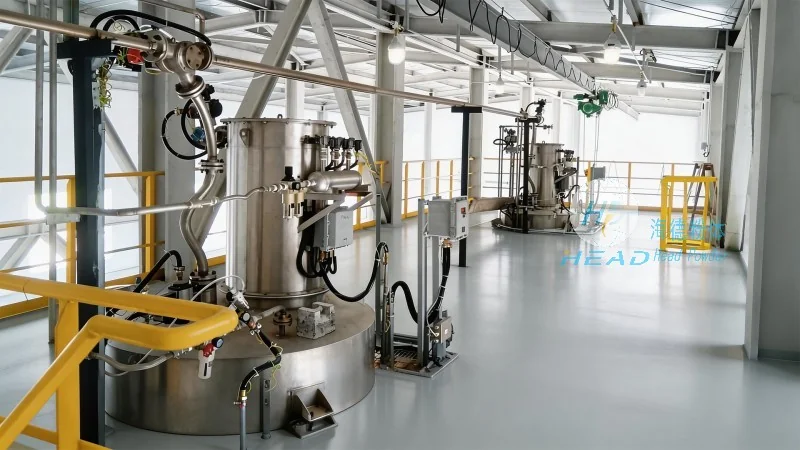
About Shandong HeadPowder Engineering Co., Ltd.
Shandong HeadPowder Engineering Co., Ltd., commonly known as HeadPowder, is a leading manufacturer and supplier of pneumatic conveying systems and related equipment. With a strong focus on innovation and quality, the company has established itself as a trusted partner in the material handling industry. HeadPowder specializes in designing and manufacturing low-pressure continuous pneumatic conveying systems tailored to the specific needs of various industries, including food, pharmaceuticals, chemicals, and minerals. The company's team of experienced engineers and technicians work closely with clients to understand their material handling challenges and provide customized solutions that meet their operational requirements. HeadPowder's commitment to excellence is reflected in its state-of-the-art manufacturing facilities, rigorous quality control processes, and comprehensive after-sales support. The company adheres to international standards and continuously invests in research and development to improve its products and services. HeadPowder's headquarters is located in Shandong, China, where the company operates a modern production base equipped with advanced machinery and technology. The company's products are known for their durability, efficiency, and reliability, making them suitable for demanding industrial applications. By combining technical expertise with customer-centric approach, HeadPowder delivers high-quality pneumatic conveying solutions that enhance productivity and operational efficiency for its clients. The company's reputation for quality and service has helped it build a strong customer base both domestically and internationally, serving a wide range of industries and applications.