

What is the Pneumatic Conveying of Lithium Iron Phosphate Material? Exploring Design Principles
Pneumatic conveying of lithium iron phosphate material is a critical process in the handling and transportation of this essential battery material. As a key component in lithium-ion batteries, lithium iron phosphate (LiFePO₄) is widely used in electric vehicles, renewable energy storage systems, and portable electronics. The efficient and reliable transport of LiFePO₄ powder from production lines to processing or packaging stages is vital for maintaining production efficiency and product quality. This article explores the fundamental aspects of pneumatic conveying for LiFePO₄ material and delves into the core design principles that ensure optimal performance.
Key Components and Working Principle
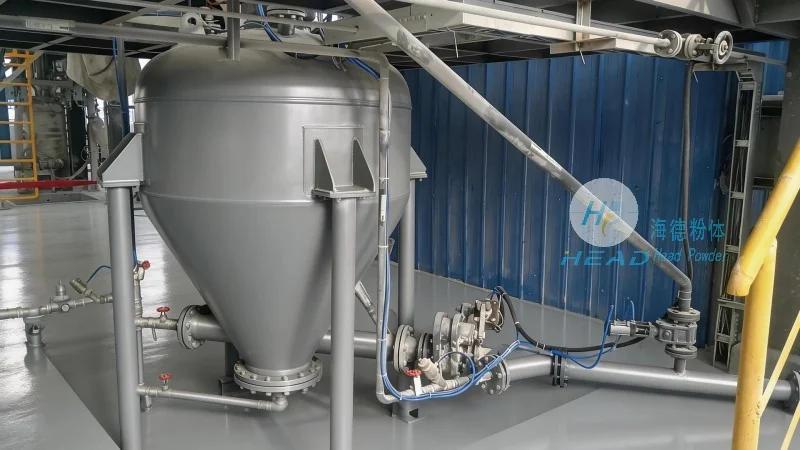
The pneumatic conveying system for lithium iron phosphate material typically consists of several key components, each playing a crucial role in the material transport process. These components include a material feeder, a conveying pipeline, a blower or compressor to generate the conveying air, a separator or filter to remove dust and particles from the air stream, and a discharge device to deliver the material to its destination. The working principle involves introducing the LiFePO₄ powder into the conveying pipeline through the feeder, while the blower generates a high-velocity air stream that carries the powder particles forward. The air stream's velocity must be sufficient to overcome the gravitational forces and frictional resistance within the pipeline, ensuring the material is transported smoothly without clogging or degradation.

Design Principles for Efficient Material Handling
Designing an effective pneumatic conveying system for lithium iron phosphate material requires careful consideration of several key principles to ensure efficiency, reliability, and minimal material degradation. One of the primary design principles is the selection of the appropriate conveying air velocity. The air velocity must be high enough to maintain the material in suspension but low enough to prevent excessive wear on the pipeline and components. For LiFePO₄ powder, which is typically fine and abrasive, selecting an air velocity within the range of 20-30 m/s is common, as this balances material transport efficiency with equipment durability. Another critical principle is the design of the conveying pipeline, which should be smooth and free of sharp bends or obstructions to minimize pressure losses and prevent material accumulation. The use of flexible or rigid pipelines with appropriate diameters is also essential, as it affects the air flow and material transport dynamics. Additionally, the system's pressure and flow rate must be optimized to match the material's properties, such as particle size distribution, density, and moisture content. Properly designed pressure control systems and air filtration units are also vital to maintain air quality and prevent contamination of the LiFePO₄ material.
Application Considerations and Benefits
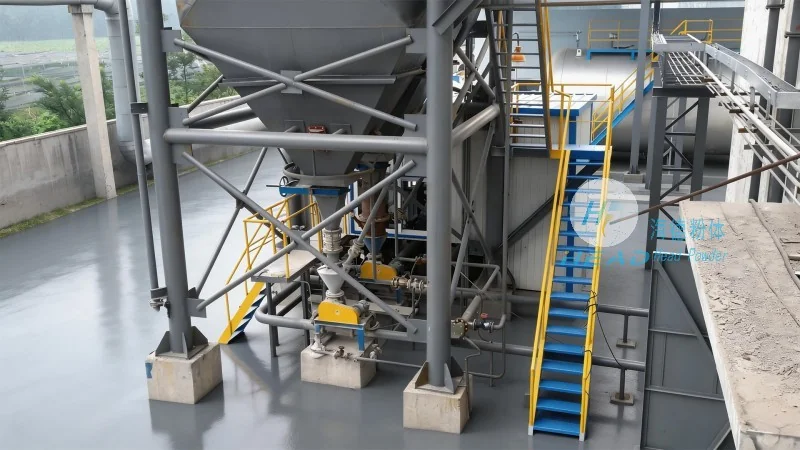
When implementing a pneumatic conveying system for lithium iron phosphate material, several application considerations must be taken into account to ensure optimal performance. These include the distance and layout of the conveying route, the required material flow rate, and the environmental conditions where the system will operate. For long-distance or complex route applications, multi-stage or vacuum-assisted systems may be employed to maintain sufficient air pressure and material transport. The system's scalability is also an important factor, as it should be able to handle varying production volumes without significant performance degradation. The benefits of using pneumatic conveying for LiFePO₄ material handling include improved safety compared to mechanical conveying systems, as it eliminates the need for moving parts in contact with the material. This reduces the risk of material contamination and equipment wear. Additionally, pneumatic conveying allows for a more flexible and compact layout, as the pipeline can be installed in various configurations, including vertical, horizontal, or a combination of both. This flexibility is particularly advantageous in facilities with limited space or complex production layouts. The system also enables better control over material flow, allowing for precise dosing and processing, which is crucial for maintaining product quality in battery manufacturing.
Company Profile: Shandong HeadPowder Engineering Co., Ltd.
Shandong HeadPowder Engineering Co., Ltd., a leading provider of material handling solutions, specializes in designing and manufacturing advanced pneumatic conveying systems tailored to the needs of the lithium battery industry. With a strong focus on innovation and quality, the company has developed expertise in handling abrasive and fine materials like lithium iron phosphate. HeadPowder's engineering team leverages years of experience to design systems that meet the stringent requirements of modern battery production, ensuring efficient, reliable, and cost-effective material transport. The company's facilities are located in Shandong, China, where it continues to advance its technology and expand its capabilities to serve the growing demand for high-performance battery materials. By combining cutting-edge design principles with practical application knowledge, HeadPowder delivers solutions that enhance production efficiency and product quality for its clients in the battery manufacturing sector.