

What is Clay Coal Powder Material Pneumatic Conveying? What Are the Design Principles?
Clay and coal powder material pneumatic conveying is a technology used to transport fine powders like clay and coal powder through a pipeline using air or gas as the conveying medium. This method is widely applied in industries such as mining, chemical processing, and power generation due to its efficiency and ability to handle abrasive or sensitive materials. Understanding the fundamental principles and design considerations of such systems is crucial for optimizing performance and ensuring reliable operation.
Company Information
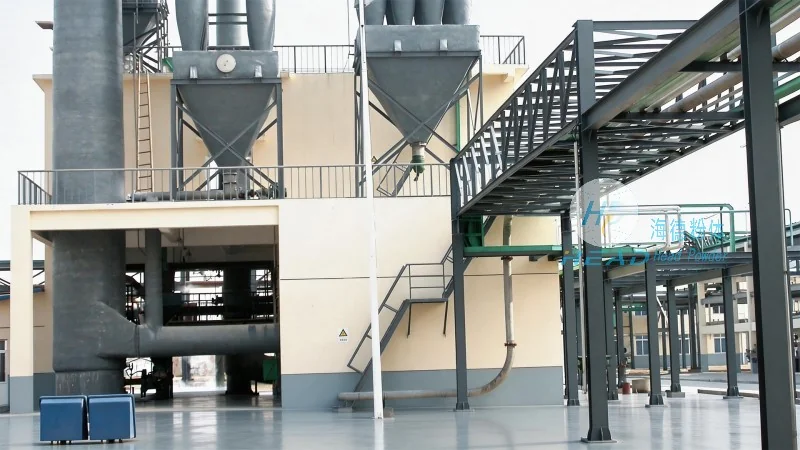
HeadPowder, or Shandong HeadPowder Engineering Co., Ltd., is a professional engineering company based in Shandong, China. With years of experience in the field of material handling and conveying systems, HeadPowder specializes in designing and implementing pneumatic conveying solutions tailored to the unique needs of various industries.
What is Clay Coal Powder Material Pneumatic Conveying?
Pneumatic conveying, in the context of clay and coal powder materials, involves the use of a pressurized or vacuum system to transport dry powders through a pipeline. The process typically involves a hopper or feeder that feeds the material into a conveying line, where it is mixed with air or gas. The mixture is then propelled through the pipeline to the destination point, such as a storage silo or processing unit. This method eliminates the need for mechanical components like belts or buckets, reducing maintenance and operational costs.
Key Design Principles for Pneumatic Conveying Systems
The design of a clay coal powder pneumatic conveying system involves several critical principles to ensure efficient and reliable operation. These include:
1. **Conveying Velocity and Airflow Rate**: The velocity of the air or gas within the pipeline must be sufficient to lift and transport the powder particles without causing excessive wear or degradation of the material. The airflow rate is calculated based on the particle size, density, and moisture content of the clay or coal powder.
2. **Pipeline Sizing and Material Selection**: The diameter and length of the pipeline are determined by the required conveying capacity and the pressure drop across the system. The material of the pipeline (e.g., stainless steel, plastic, or metal) is chosen to resist corrosion and abrasion from the powder particles.
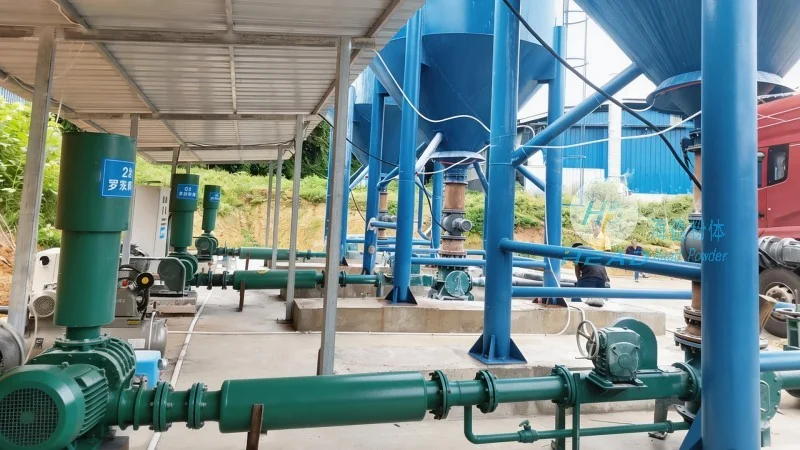
3. **Feeding and Metering Systems**: Proper feeding and metering of the clay or coal powder are essential to maintain a consistent flow rate and prevent blockages. This may involve using rotary valves, screw feeders, or pressure vessels to control the material input.
4. **Separation and Cleaning Systems**: After the material reaches its destination, the air and powder mixture is separated. This is typically done using cyclones or filters, which remove the powder from the air stream. The separated powder is then collected, while the clean air is discharged or recirculated.
Advantages of Pneumatic Conveying for Clay and Coal Powders
Implementing a pneumatic conveying system for clay and coal powders offers several advantages over traditional mechanical methods. These include:
1. **Reduced Maintenance**: Since there are no moving parts in contact with the powder, the system requires less maintenance compared to belt conveyors or bucket elevators.
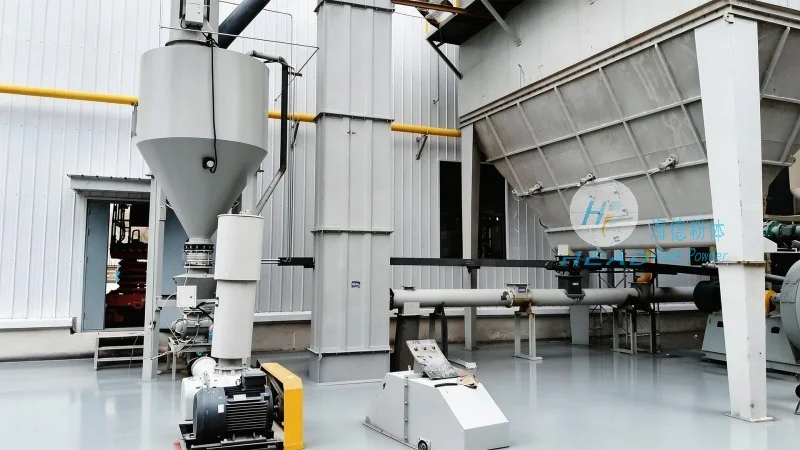
2. **Lower Energy Consumption**: Pneumatic conveying can be more energy-efficient, especially for short-distance transport, as it minimizes friction losses.
3. **Improved Safety**: The enclosed system prevents dust emissions and reduces the risk of fire or explosion, which is particularly important for coal powders.
4. **Flexibility in Layout**: The pipeline can be installed in various configurations, allowing for flexible plant layouts and easy integration with existing equipment.
Applications in Industry
Clay and coal powder pneumatic conveying systems are widely used in various industrial applications. In the mining industry, they are used to transport raw coal or clay from mines to processing facilities. In the chemical industry, they are employed to handle fine powders like clays used in manufacturing ceramics or paints. Additionally, in power generation plants, they are used to transport coal from storage silos to boilers.
Conclusion
Clay coal powder material pneumatic conveying is a sophisticated and efficient method for transporting fine powders. By adhering to the key design principles and leveraging the expertise of companies like Shandong HeadPowder Engineering Co., Ltd., industries can achieve reliable, low-maintenance, and cost-effective material handling solutions. The technology continues to evolve, with advancements in materials and control systems enhancing its performance and applicability across various sectors.