With more than 10‑year industry experience, Shandong Headpowder delivers full‑service pneumatic‑conveying systems and blowers, undertaking nationwide turn‑key powder‑handling projects.
Wood chip pneumatic conveying equipment is a critical component in the wood processing industry, designed to efficiently transport wood chips from one location to another. This equipment ensures smooth material flow and operational efficiency, making it indispensable for facilities involved in wood handling and processing. The following content will explore the operation process and working principle of wood chip pneumatic conveyors, alongside information about the manufacturer, Shandong HeadPowder Engineering Co., Ltd.
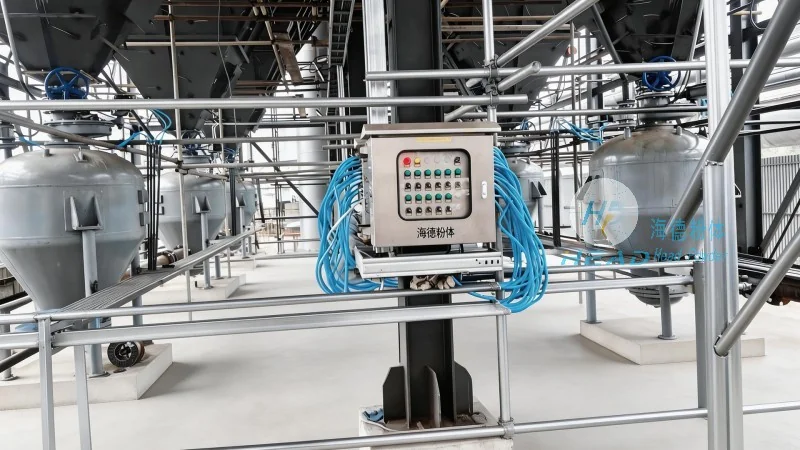
Shandong HeadPowder Engineering Co., Ltd. is a leading provider of pneumatic conveying systems, specializing in high-quality wood chip pneumatic conveyors. The company is based in Shandong, China, and has established a strong reputation for its reliable and efficient equipment. HeadPowder's products are engineered to meet the specific demands of wood processing operations, ensuring durability and optimal performance in challenging environments.
The fundamental principle of a wood chip pneumatic conveyor is the use of air flow to transport material. The system operates based on pneumatic transport, which can be classified into two primary types: positive pressure and negative pressure systems. In a positive pressure system, compressed air is utilized to push the wood chips through the pipeline. Air is introduced at the inlet, creating a pressure differential that propels the material forward. This method is effective for short to medium distance transfers and is commonly employed when handling light materials requiring minimal energy input. Conversely, negative pressure systems rely on suction to draw the wood chips into the pipeline. A vacuum is generated at the outlet, pulling the material from the source. This approach is suitable for longer distances and can accommodate more abrasive or heavier materials, as the suction force maintains material movement without excessive pressure.
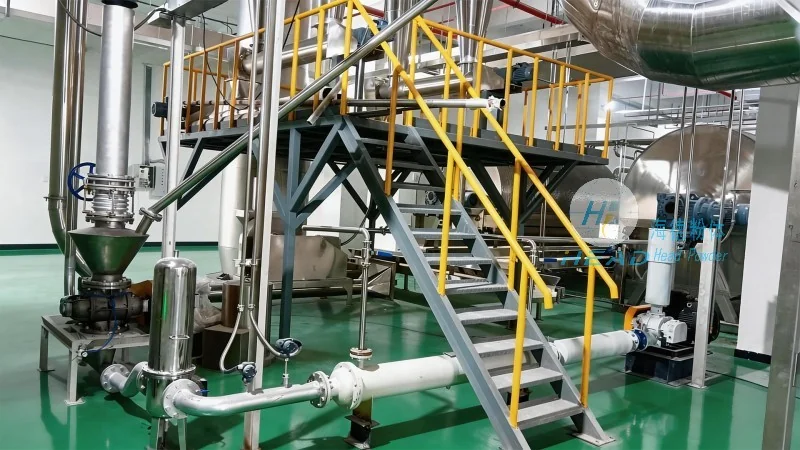
The operation of a wood chip pneumatic conveyor involves several key steps to ensure safe and efficient material transfer. Initially, the system is prepared for operation. This includes verifying the air supply, securing all connections, and confirming that the hopper or feeding mechanism is adequately loaded with wood chips. The hopper, typically a large container, feeds the raw material into the conveying line as needed. Next, the air compressor or vacuum pump is activated, depending on the system type. In a positive pressure system, the compressor starts, directing compressed air into the pipeline. The air pressure forces the wood chips to move through the system. In a negative pressure system, the vacuum pump activates, creating a suction effect that draws the material from the hopper. During the conveying process, the system continuously monitors flow rate and pressure to maintain optimal performance. Sensors and control panels adjust air flow as necessary, preventing blockages or overloading. The material is transported through the pipeline to the discharge point, where it is collected in a receiving hopper or directly into the next processing stage. Finally, the system is shut down. This involves stopping the air compressor or vacuum pump, allowing the pipeline to clear of remaining material, and securing all components. The entire process is largely automated, reducing manual intervention and minimizing operational risks.
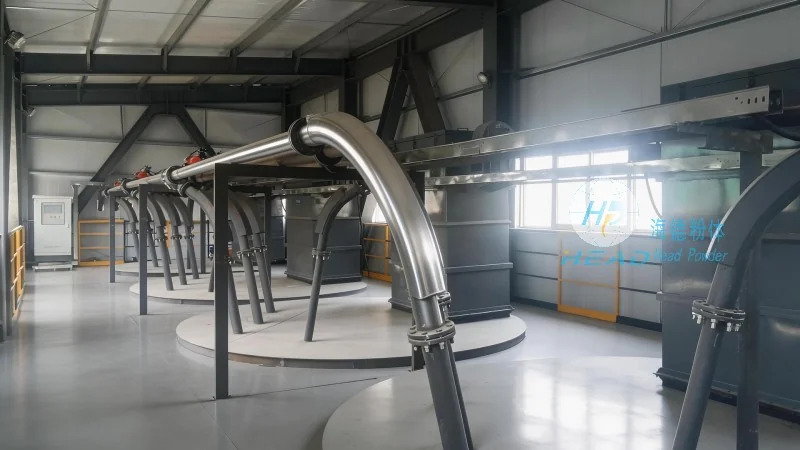
Wood chip pneumatic conveyors from Shandong HeadPowder Engineering Co., Ltd. offer several advantages that enhance wood processing operations. One primary benefit is the ability to transport wood chips over long distances without multiple transfer points, reducing material degradation risk and improving efficiency. The equipment is highly flexible, easily integrating into existing production lines and handling a wide range of wood chip sizes and types—from fine sawdust to larger chips. This versatility makes it suitable for diverse processing needs. Additionally, the pneumatic system is more hygienic than traditional mechanical conveyors, as it eliminates moving parts that could cause contamination. It is also energy-efficient, using compressed air or vacuum to move material, which can be more cost-effective than mechanical systems, especially for long-distance transfers. The equipment is designed for durability, with robust materials and components that withstand the abrasive nature of wood chips, ensuring a long service life and low maintenance costs.
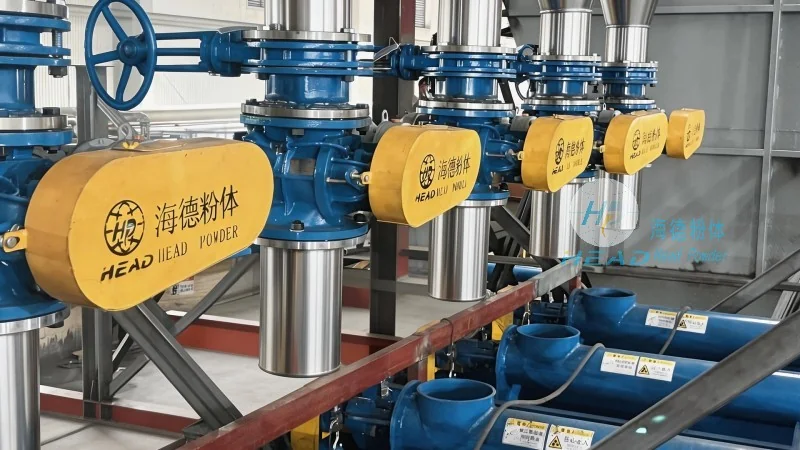
The wood chip pneumatic conveyor is widely used in various wood processing applications. For example, in sawmills, it transports wood chips from debarking and cutting stages to drying or pelletizing units. In biomass power plants, the equipment moves wood chips from storage to boilers, ensuring consistent fuel supply. In furniture manufacturing facilities, it transports wood chips to particle board or fiberboard production lines. The system is also used in paper mills for producing pulp. In each application, the conveyor maintains production continuity and optimizes material handling. Its adaptability and efficiency make it a critical asset for wood processing facilities.
Proper maintenance and safety protocols are essential for reliable operation of wood chip pneumatic conveyors. Regular maintenance includes checking the air compressor or vacuum pump for proper function, inspecting the pipeline for blockages or leaks, and cleaning the hopper and discharge points to prevent material buildup. The system should be inspected for wear and tear, particularly on air filters and seals, which impact performance. Safety is paramount, as the equipment operates with high-pressure air or vacuum, posing risks if mishandled. Operators must follow safety guidelines, wear appropriate PPE, and ensure proper grounding. Emergency shut-off procedures must be clearly defined and accessible. By adhering to these practices, wood processing facilities can extend equipment life and protect their workforce.

 Shandong Headpowder Engineering Co., Ltd.
 156-6277-7102(Manager Zhang)
  0531-83386006
  Zhangqiu District, Jinan City, Shandong Province, China
telephone
WeChatconsult
top