With more than 10‑year industry experience, Shandong Headpowder delivers full‑service pneumatic‑conveying systems and blowers, undertaking nationwide turn‑key powder‑handling projects.
Ammonium chloride is a widely used chemical compound in various industrial applications, and efficient handling of this material is crucial for maintaining production efficiency and safety. The pneumatic conveying system, specifically designed for ammonium chloride, offers a reliable solution for transporting this material from storage to processing units. This article provides an in-depth look at the operation process and working principle of such equipment, highlighting its key components, operational steps, and the benefits it offers in industrial settings.
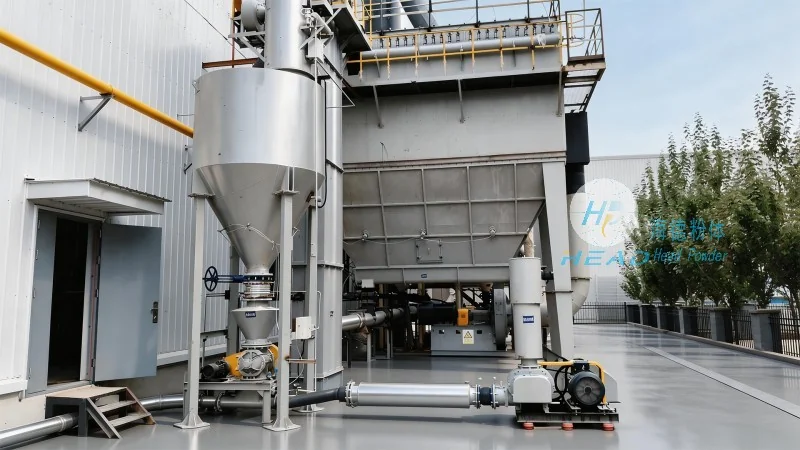
The pneumatic conveying system for ammonium chloride typically consists of several essential components that work in tandem to ensure smooth material transport. These components include a hopper for material storage, a rotary valve or feeder to control the flow of ammonium chloride into the system, a conveying pipeline, a blower or air compressor to generate the necessary air pressure, and a receiver or discharge unit where the material is collected. Each component plays a critical role in the overall operation, ensuring that the material is conveyed safely and efficiently without causing blockages or damage.
The operation of the ammonium chloride pneumatic conveying system is based on the principle of using air to transport solid particles. The process begins with the material being fed into the hopper from a storage silo or bag. The rotary valve then regulates the flow of ammonium chloride into the conveying pipeline, ensuring a consistent and controlled feed rate. Simultaneously, the blower generates a high-pressure air stream that is introduced into the pipeline. As the air flows through the pipeline, it creates a negative pressure or a positive pressure environment, depending on the system design, which pulls or pushes the ammonium chloride particles along the pipeline. The air and material mixture travels through the pipeline to the receiver, where the air is separated from the material, typically through a cyclone or filter, and the ammonium chloride is collected in the discharge bin.
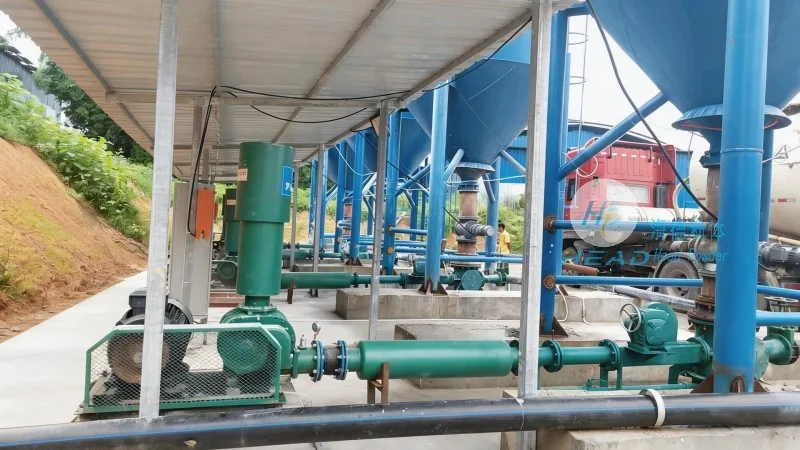
The operation process of the ammonium chloride pneumatic conveying equipment can be broken down into several key steps. First, the system is prepared by ensuring that all components are properly installed and connected. The hopper is filled with ammonium chloride, and the rotary valve is set to the desired feed rate. The blower is then started, and the air pressure is adjusted to the appropriate level for the material being conveyed. Next, the material is fed into the system, and the conveying process begins. The air flow and material flow are monitored to ensure that the system is operating within optimal parameters. Any adjustments to the feed rate or air pressure are made as needed to maintain a stable and efficient conveying operation. Finally, the material is discharged from the receiver into the processing unit, completing the cycle.
Implementing a pneumatic conveying system for ammonium chloride offers several significant benefits. Firstly, it eliminates the need for manual handling of the material, reducing the risk of dust exposure and improving workplace safety. The system also minimizes material loss and contamination, as the material is transported in a closed system, preventing contact with the environment. Additionally, pneumatic conveying systems are highly flexible and can be easily integrated into existing production lines, allowing for seamless material transfer between different units. The equipment is also relatively low maintenance, with fewer moving parts compared to traditional mechanical conveying systems, leading to lower operational costs and increased reliability.
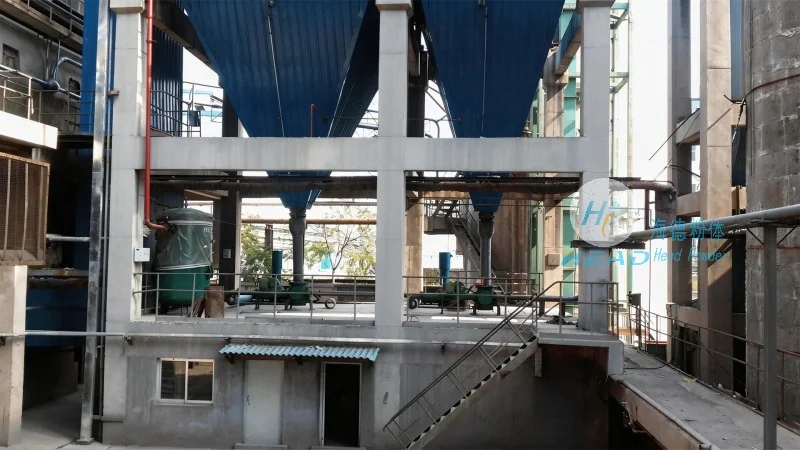
Shandong HeadPowder Engineering Co., Ltd., commonly known as headpowder, is a leading manufacturer and supplier of industrial conveying equipment. With a strong focus on innovation and quality, the company specializes in designing and producing pneumatic conveying systems tailored to the specific needs of various industries, including chemical processing, food processing, and pharmaceutical manufacturing. Headpowder's expertise lies in creating efficient, reliable, and safe conveying solutions that enhance production efficiency and ensure compliance with industry standards. The company's products are manufactured using high-quality materials and advanced technology, ensuring durability and long-term performance. Headpowder serves clients worldwide, providing customized solutions and technical support to meet the diverse requirements of industrial applications.
In conclusion, the operation process and working principle of ammonium chloride pneumatic conveying equipment are designed to provide an efficient and safe method for transporting this important chemical compound. The system's components work together to ensure consistent material flow, while the pneumatic conveying process minimizes the risks associated with manual handling and material contamination. With the support of companies like Shandong HeadPowder Engineering Co., Ltd., industries can benefit from advanced conveying solutions that enhance productivity and safety. As the demand for efficient material handling continues to grow, pneumatic conveying systems remain a vital technology in modern industrial operations.

 Shandong Headpowder Engineering Co., Ltd.
 156-6277-7102(Manager Zhang)
  0531-83386006
  Zhangqiu District, Jinan City, Shandong Province, China
telephone
WeChatconsult
top