With more than 10‑year industry experience, Shandong Headpowder delivers full‑service pneumatic‑conveying systems and blowers, undertaking nationwide turn‑key powder‑handling projects.
Understanding the operation process and working principle of a titanium dioxide pneumatic conveying machine is crucial for optimizing material handling efficiency in industrial applications. This equipment plays a vital role in the transportation of fine powders like titanium dioxide, ensuring safe and efficient movement within processing facilities. The following sections provide a detailed breakdown of how these machines function and the steps involved in their operation, presented by Shandong HeadPowder Engineering Co., Ltd., a leading manufacturer of specialized material handling equipment based in China.
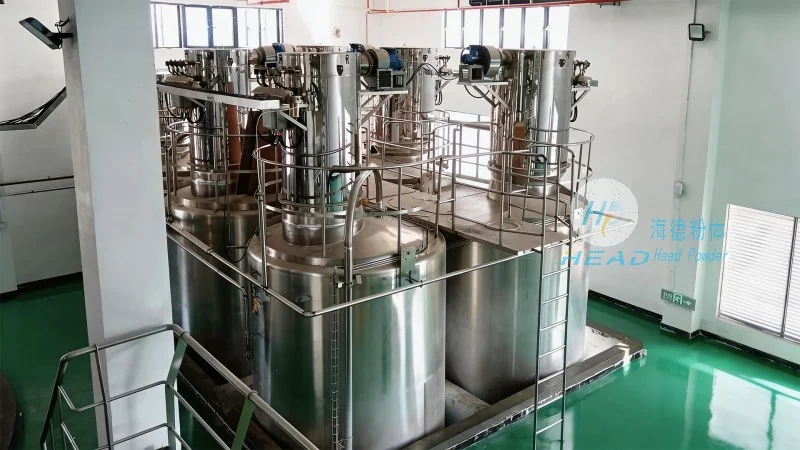
Titanium dioxide, commonly known as TiO₂, is a widely used white pigment and sunscreen active ingredient. Its fine powder form requires specialized handling equipment to prevent dust dispersion and ensure consistent flow. Pneumatic conveying machines utilize air pressure to transport these powders, offering advantages such as dust-free operation, flexibility in layout, and reduced maintenance compared to traditional mechanical conveyors. The design of these systems is tailored to handle the unique properties of titanium dioxide, including its high density and potential for agglomeration. As a result, these machines are essential in industries where precise and controlled powder transport is required, such as chemical manufacturing, pigment production, and food processing.
The core principle of pneumatic conveying is the use of compressed air to create a flow that moves the material through a pipeline. In the case of titanium dioxide, the system typically operates under positive pressure, where air is introduced at the discharge end and moves backward through the pipeline, pulling the powder along. This method is known as "pressure pneumatic conveying" and is effective for transporting powders over moderate distances. The machine consists of several key components, including a hopper for material storage, a blower or compressor to generate air pressure, a pipeline network, and a receiver or discharge unit. Each component works in tandem to ensure smooth material transport without clogging or loss of material. The air pressure is carefully controlled to maintain a dense phase flow, which minimizes particle separation and ensures stable transport.
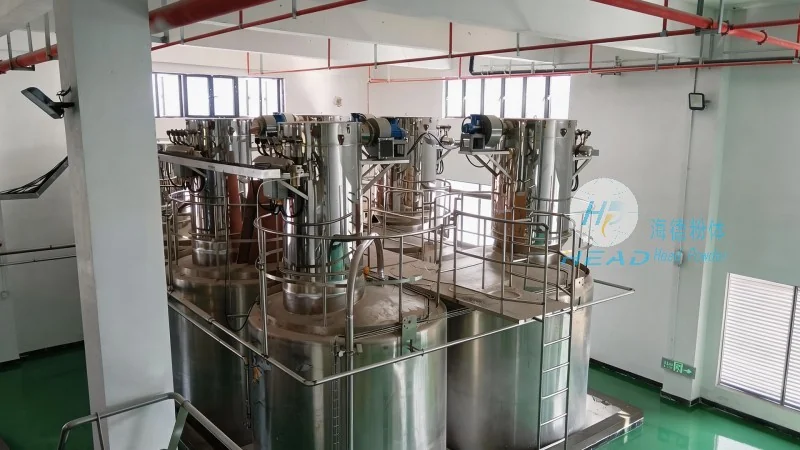
The performance of a titanium dioxide pneumatic conveying machine relies on the proper functioning of its main components. The hopper serves as the storage vessel, holding the titanium dioxide powder and providing a controlled feed to the system. It is equipped with a feeder, such as a rotary valve or screw feeder, which regulates the flow rate of the material into the pipeline. The blower or compressor generates the necessary air pressure, typically ranging from 0.5 to 1.5 bar, depending on the system's capacity and distance. The pipeline network connects the hopper to the discharge point, with bends and fittings designed to minimize pressure loss and prevent material buildup. The receiver or discharge unit collects the material at the end of the pipeline, often equipped with a dust filter to capture any airborne particles and ensure environmental compliance. Additionally, the system may include a filter system to remove fine particles from the air stream, maintaining air quality and preventing dust accumulation in the equipment.
The operation of a titanium dioxide pneumatic conveying machine involves a series of coordinated steps to ensure efficient material transport. The process begins with the loading of the hopper with titanium dioxide powder. The feeder then starts to discharge the material at a controlled rate, while the blower is activated to generate the required air pressure. As the air flows backward through the pipeline, it creates a suction effect that pulls the powder particles along, forming a dense phase flow. The material travels through the pipeline, passing through any bends or fittings, and is discharged into the receiver at the end of the system. The receiver may include a dust collection system to capture any fine particles that escape during the process, ensuring that the environment remains clean and safe. The entire operation is monitored by control systems that adjust the air pressure and feed rate based on real-time conditions, optimizing the conveying efficiency. This closed-loop control ensures that the system operates at peak performance, minimizing energy consumption and maximizing material throughput.
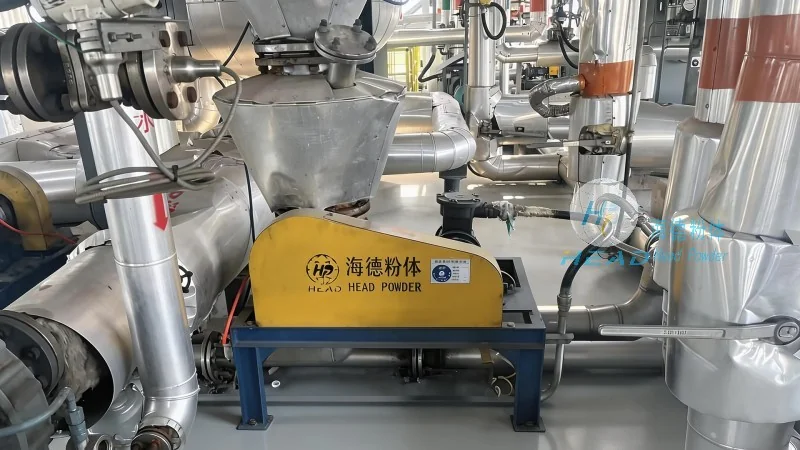
Using a pneumatic conveying system for titanium dioxide offers several advantages over traditional methods. The primary benefit is the elimination of dust dispersion, which improves workplace safety and reduces the risk of material contamination. Additionally, the system provides flexibility in layout, allowing for horizontal, vertical, or inclined transport without the need for complex mechanical components. The equipment also offers lower maintenance requirements compared to screw or belt conveyors, as there are fewer moving parts exposed to the powder. However, there are considerations to keep in mind, such as the need for proper air filtration to prevent dust accumulation in the system and the potential for material buildup in the pipeline if the system is not properly sized or maintained. The system's capacity and pressure requirements must be carefully matched to the specific characteristics of the titanium dioxide powder to ensure optimal performance. For example, powders with high moisture content may require additional drying steps to prevent clogging, while fine powders may need higher air velocities to maintain stable flow.
Titanium dioxide pneumatic conveying machines are widely used in various industries that handle fine powders, including chemical manufacturing, pigment production, and food processing. In the chemical industry, these systems are used to transport titanium dioxide between processing units, such as grinding and coating operations. In the pigment industry, the equipment is essential for moving the powder from storage to packaging facilities, ensuring consistent quality and preventing contamination. The food industry also utilizes pneumatic conveying for handling titanium dioxide in food-grade applications, where dust control and hygiene are critical. The versatility of these machines makes them suitable for a wide range of applications, from small-scale laboratory operations to large-scale industrial production lines. For instance, in the production of titanium dioxide pigments, pneumatic conveying is used to move the powder from the grinding mill to the coating unit, where it is mixed with other ingredients to form the final product. In food processing, the system is used to transport titanium dioxide as a food additive, ensuring that the powder is handled in a hygienic and controlled manner.
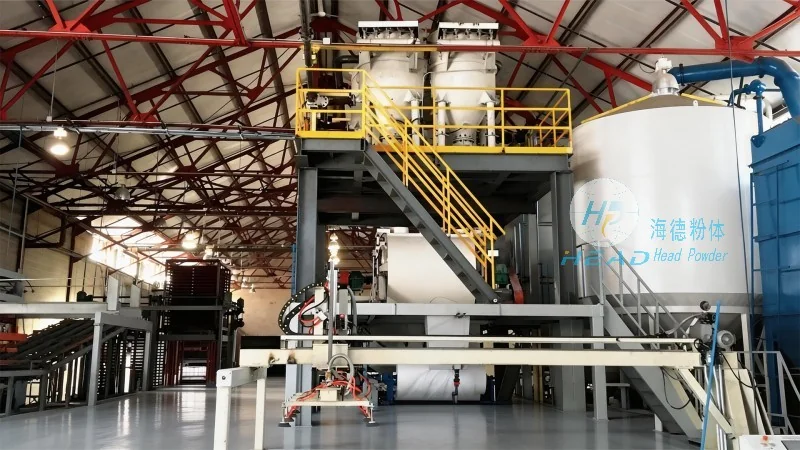
Regular maintenance is essential to ensure the long-term performance and reliability of a titanium dioxide pneumatic conveying machine. Routine checks should include inspecting the hopper and feeder for material buildup or blockages, checking the blower or compressor for proper air pressure and flow, and examining the pipeline for signs of wear or damage. The dust filter system should be cleaned or replaced as needed to maintain efficient filtration and prevent pressure loss. Common issues that may arise include clogging of the pipeline, which can be caused by agglomerated powder or excessive moisture, and fluctuations in air pressure, which may indicate a problem with the blower or feeder. Troubleshooting steps typically involve checking the system's control settings, inspecting the material feed rate, and ensuring that the pipeline is properly sealed. By addressing these issues promptly, the system can be kept in optimal condition, minimizing downtime and maximizing conveying efficiency. Additionally, periodic inspections of the air filter and pipeline should be conducted to prevent dust accumulation and maintain air quality. Proper maintenance also extends the lifespan of the equipment, reducing the need for costly replacements and ensuring consistent performance over time.
In conclusion, the operation process and working principle of a titanium dioxide pneumatic conveying machine are critical to the efficient handling of this important industrial material. By understanding the components, operation steps, and maintenance requirements, users can optimize the performance of these systems and ensure safe, reliable material transport. The advantages of pneumatic conveying, including dust control and flexibility, make it an ideal choice for industries that require precise and consistent handling of fine powders like titanium dioxide. With proper design and maintenance, these machines can provide long-term value and contribute to the overall efficiency of processing operations. As a leading manufacturer, Shandong HeadPowder Engineering Co., Ltd. specializes in providing high-quality pneumatic conveying solutions tailored to the specific needs of titanium dioxide handling, ensuring that clients achieve optimal performance and reliability in their material transport processes.

 Shandong Headpowder Engineering Co., Ltd.
 156-6277-7102(Manager Zhang)
  0531-83386006
  Zhangqiu District, Jinan City, Shandong Province, China
telephone
WeChatconsult
top