With more than 10‑year industry experience, Shandong Headpowder delivers full‑service pneumatic‑conveying systems and blowers, undertaking nationwide turn‑key powder‑handling projects.
Calcined ash, a byproduct of coal combustion, is often processed and transported using specialized equipment known as a calcined ash powder conveying line. This system is designed to efficiently move the fine, dry powder from one location to another, typically within industrial facilities such as power plants or waste management sites. The design of these conveying lines is critical to ensure reliable operation, minimal material loss, and compliance with safety and environmental standards.
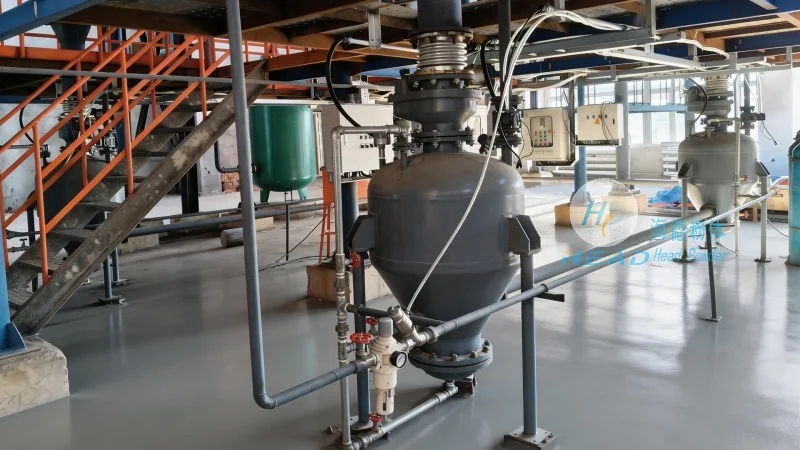
Shandong HeadPowder Engineering Co., Ltd., a leading manufacturer in the field of powder handling systems, is headquartered in Shandong, China. With years of experience in engineering and manufacturing, the company specializes in providing customized solutions for the transportation and processing of various powders, including calcined ash. Their expertise lies in designing systems that address the unique challenges posed by the material's physical properties, such as low bulk density, high dust content, and potential moisture issues.
A typical calcined ash powder conveying line consists of several key components that work in tandem to achieve efficient material transport. The primary elements include a material feed hopper, a conveyor system (often pneumatic or mechanical), a dust collection system, and a control panel. The feed hopper is responsible for storing and feeding the calcined ash into the system, ensuring a consistent flow rate. The conveyor system, which may use air pressure (for pneumatic conveying) or mechanical components (like screw conveyors or belt conveyors), transports the ash through the pipeline. A dust collection system, such as a cyclone separator or bag filter, is integrated to capture any airborne particles and maintain air quality. The control panel allows operators to monitor and adjust the system's performance in real-time, ensuring optimal operation.
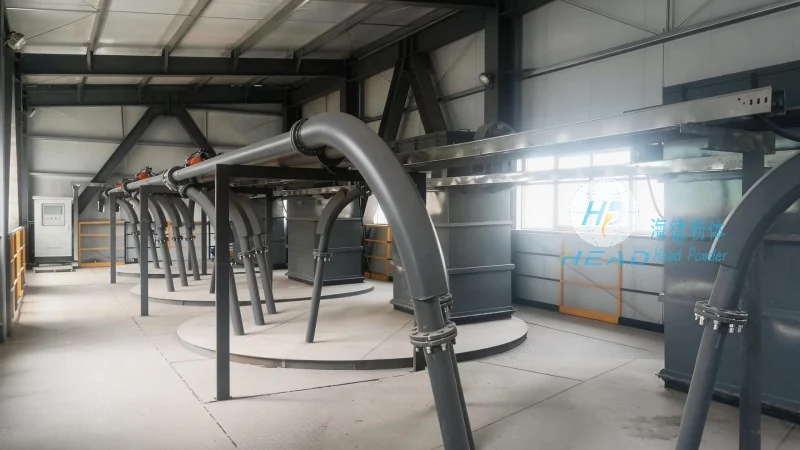
The design of a calcined ash powder conveying line is guided by several fundamental principles aimed at maximizing efficiency and reliability. One of the most critical considerations is the material's physical characteristics. Calcined ash is typically a fine, dry powder with low bulk density, which can lead to issues like bridging in hoppers or uneven flow. Engineers must account for these properties by designing hoppers with appropriate angles and anti-bridging mechanisms to prevent material stagnation. The conveying method chosen—whether pneumatic or mechanical—also plays a significant role. Pneumatic conveying systems use compressed air to move the powder through a pipeline, which is effective for fine powders but requires careful control of air pressure and flow rates to avoid pressure drops or material deposition. Mechanical conveyors, such as screw or belt conveyors, are often used for bulkier materials or when the material is more abrasive, but they may not be suitable for very fine powders due to the risk of clogging.
Designing a calcined ash powder conveying line involves addressing several challenges to ensure long-term performance. One major challenge is maintaining a consistent flow rate, as calcined ash can be prone to variations in moisture content or particle size, which affects its flowability. Engineers use flow control devices, such as rotary valves or feeders, to regulate the material's discharge from the hopper. Another challenge is preventing material buildup and blockages in the pipeline. This is addressed through the use of pulsating air systems in pneumatic conveyors, which helps to keep the material in motion and prevent clogging. Additionally, the system must be designed with robust sealing to prevent dust leakage, as calcined ash is a fine powder that can cause respiratory issues if inhaled. Sealing components, such as gaskets and airlocks, are integrated into the hopper and discharge points to maintain a tight seal and protect the environment.
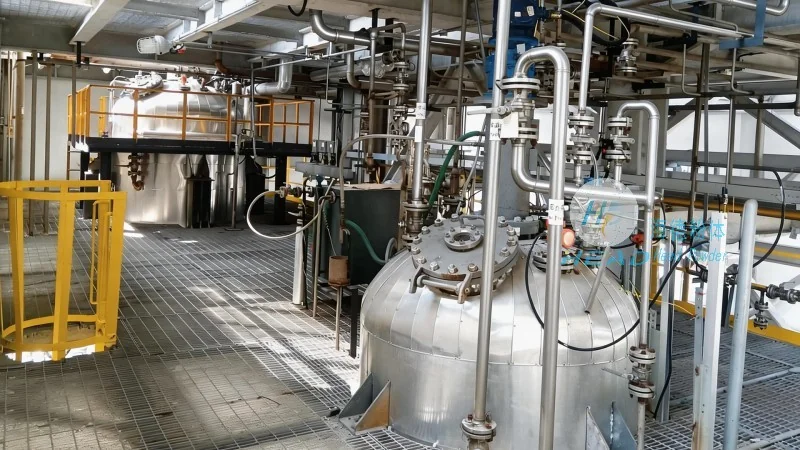
Energy efficiency is a critical factor in the design of calcined ash powder conveying lines, as these systems can consume significant amounts of power, especially in pneumatic systems. Engineers optimize the system by selecting the appropriate air pressure and flow rates, minimizing unnecessary energy use. For example, using a lower air pressure while maintaining sufficient velocity can reduce energy consumption without compromising material transport. Regular maintenance is also essential to ensure the longevity and reliability of the system. Components such as filters, bearings, and seals require periodic inspection and replacement to prevent breakdowns. The control panel often includes diagnostic features that alert operators to potential issues, allowing for timely maintenance and reducing downtime.
In conclusion, a calcined ash powder conveying line is a sophisticated system that requires careful consideration of the material's properties and operational requirements. The design principles outlined above, including the selection of appropriate components, addressing flow challenges, and ensuring energy efficiency, are crucial for the successful operation of these systems. By adhering to these principles, manufacturers like Shandong HeadPowder Engineering Co., Ltd. can provide reliable and efficient solutions for the transportation of calcined ash, contributing to the overall efficiency and sustainability of industrial processes.

 Shandong Headpowder Engineering Co., Ltd.
 156-6277-7102(Manager Zhang)
  0531-83386006
  Zhangqiu District, Jinan City, Shandong Province, China
telephone
WeChatconsult
top