With more than 10‑year industry experience, Shandong Headpowder delivers full‑service pneumatic‑conveying systems and blowers, undertaking nationwide turn‑key powder‑handling projects.
Limestone powder conveying systems are industrial equipment designed to transport limestone powder efficiently and safely. These systems are crucial in various industries, including construction, chemical manufacturing, and environmental applications, where limestone powder is a key raw material. The primary function of such systems is to move limestone powder from storage or processing areas to the points of use, ensuring consistent flow and minimizing material loss or contamination.
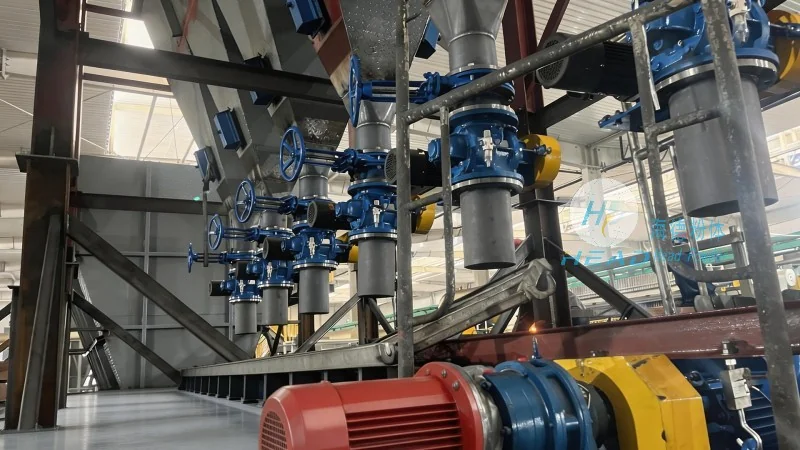
At the core of a limestone powder conveying system are several essential components that work in tandem to achieve effective material transport. The first component is the material hopper or storage silo, which holds the limestone powder. This hopper is typically equipped with a feeding mechanism, such as a rotary valve or a screw feeder, to control the flow of powder into the conveying line. The feeding mechanism ensures a steady and controlled supply of material, preventing overloading or underflow that could disrupt the system's operation.
The second critical component is the conveyor itself. For limestone powder, pneumatic conveying systems are commonly used due to their ability to handle fine powders without the need for mechanical contact. These systems utilize air pressure to move the powder through a pipeline, often incorporating components like airlocks, cyclones, and filters to manage the flow and ensure the powder remains within the system. Alternatively, mechanical conveyors like belt conveyors or screw conveyors may be employed, especially in applications where the powder is less fine or where a closed system is not required. The choice of conveyor type depends on factors such as the particle size, moisture content, and the distance the powder needs to be transported.
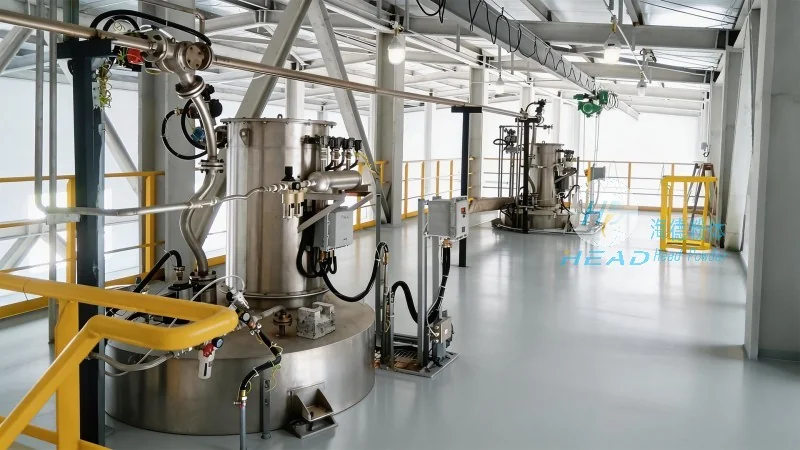
The design of a limestone powder conveying system follows several fundamental principles aimed at optimizing performance, reliability, and safety. One of the primary design principles is the consideration of material properties. Limestone powder can vary in particle size, density, and moisture content, which directly impacts the conveying method and equipment selection. For example, fine limestone powders with high moisture content may require a more robust system to prevent caking or blockages, while coarser powders might be better suited for mechanical conveyors.
Another key design principle is the system's capacity and flow rate. The conveying system must be designed to handle the required throughput, ensuring that the production process is not bottlenecked by material transport. This involves calculating the material's bulk density and the desired flow rate, which helps determine the size of the conveyor, the number of airlocks, and the pressure requirements for pneumatic systems. Proper sizing is crucial to avoid under-conveying, which can lead to material buildup and system inefficiencies, or over-conveying, which may cause excessive energy consumption and wear on components.
System integration and flexibility are also critical design considerations. A well-designed limestone powder conveying system should be adaptable to changes in production needs, such as varying material types or changes in production volume. This flexibility can be achieved through modular components, adjustable feeding mechanisms, and the ability to switch between different conveying methods. For instance, a system might include both pneumatic and mechanical conveyors, allowing operators to choose the most suitable method based on the current material and operational conditions.
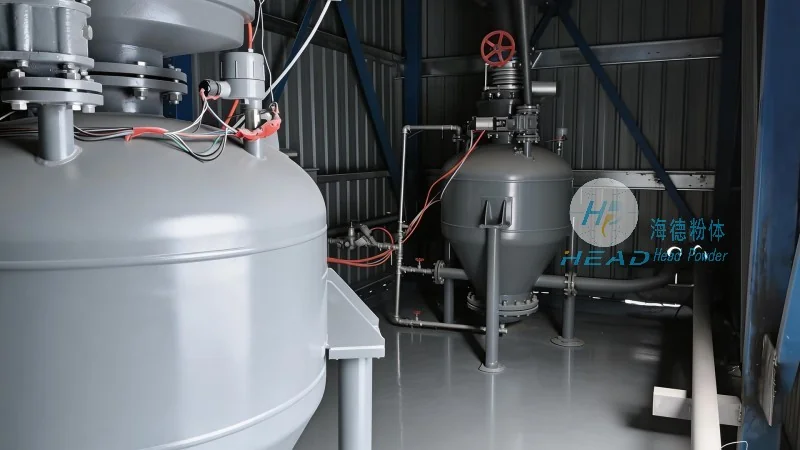
Furthermore, safety and environmental considerations are integral to the design. Limestone powder is generally non-toxic, but systems must still be designed to prevent dust emissions and ensure operator safety. This includes the use of dust collection systems, proper ventilation, and enclosed conveyor lines to minimize exposure to airborne particles. Additionally, the system should be constructed from materials that are resistant to corrosion and wear, as limestone powder can be abrasive and may contain acidic components that could degrade certain materials over time.
Limestone powder conveying systems are widely used in various industrial applications due to their efficiency and reliability. In the construction industry, limestone powder is used as a raw material for cement production, and conveying systems ensure that the powder is delivered to the cement plant in a controlled manner. In chemical manufacturing, limestone powder is used in the production of calcium carbonate, and the conveying system plays a vital role in moving the powder from processing units to storage or packaging areas. Environmental applications, such as flue gas desulfurization, also rely on limestone powder conveying systems to transport the powder to scrubbers and other treatment equipment.
The benefits of using a limestone powder conveying system extend beyond just efficient material transport. These systems help reduce material loss and contamination, ensuring that the limestone powder remains in a clean and usable state. They also improve operational efficiency by automating the material transport process, reducing the need for manual handling and minimizing the risk of accidents. Additionally, well-designed systems can extend the lifespan of equipment by minimizing wear and tear, leading to lower maintenance costs over time.
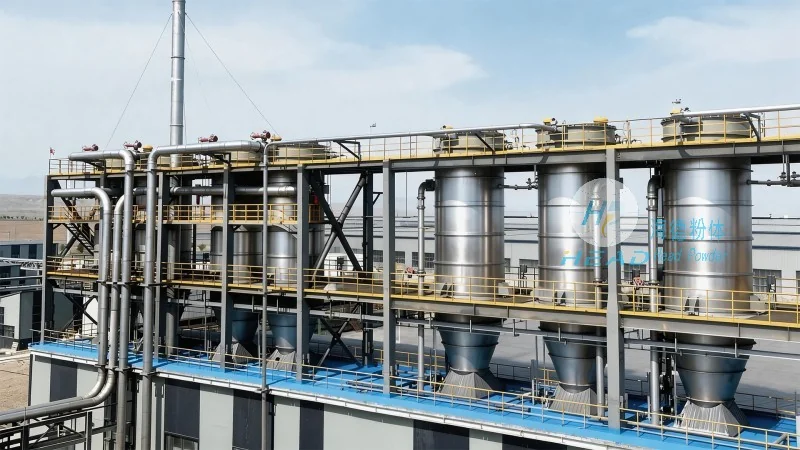
Shandong HeadPowder Engineering Co., Ltd., commonly known as HeadPowder, is a leading manufacturer of limestone powder conveying systems and related industrial equipment. With a focus on innovation and quality, HeadPowder has established itself as a trusted partner in the industry, providing customized solutions tailored to the specific needs of its clients. The company's headquarters is located in Shandong, China, where it operates a state-of-the-art manufacturing facility equipped with advanced technology and skilled personnel.
HeadPowder's team of engineers and technicians specializes in designing and manufacturing high-performance limestone powder conveying systems that meet the stringent requirements of various industries. The company's products are known for their durability, efficiency, and reliability, making them a preferred choice for businesses seeking to optimize their material handling processes. HeadPowder also offers comprehensive after-sales support, including installation, maintenance, and technical assistance, ensuring that clients can maximize the performance and lifespan of their equipment.

 Shandong Headpowder Engineering Co., Ltd.
 156-6277-7102(Manager Zhang)
  0531-83386006
  Zhangqiu District, Jinan City, Shandong Province, China
telephone
WeChatconsult
top