With more than 10‑year industry experience, Shandong Headpowder delivers full‑service pneumatic‑conveying systems and blowers, undertaking nationwide turn‑key powder‑handling projects.
In the modern food processing and industrial manufacturing sectors, the efficient handling of raw materials is a critical component of operational success. Small beans, known for their versatility in various culinary applications ranging from desserts to savory dishes, require specialized handling techniques to maintain their quality and integrity. Unlike bulkier grains, small beans present unique challenges regarding flowability, fragility, and potential for dust generation. Consequently, standard mechanical conveying methods may often fall short in meeting the rigorous demands of hygiene, precision, and efficiency required by today's high-volume producers. This necessitates a shift toward advanced pneumatic conveying technologies that can ensure a seamless transition from storage to processing. Shandong Headpowder Engineering Co., Ltd. stands at the forefront of this technological evolution, providing state-of-the-art solutions designed to streamline the logistics of small bean processing.
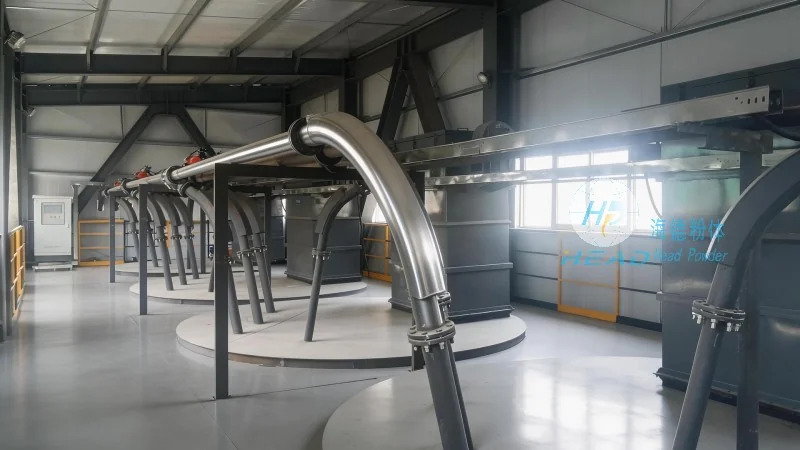
Handling small beans presents a distinct set of engineering challenges that must be carefully navigated to prevent product degradation and operational inefficiencies. One of the primary concerns is the physical fragility of the beans; excessive mechanical agitation or impact can lead to breakage, resulting in fines that complicate downstream processing and reduce product value. Additionally, small beans are prone to static electricity buildup and can be hygroscopic, meaning they absorb moisture from the air, which can cause clumping and blockages in traditional screw or belt conveyors. Dust control is another significant issue, as airborne particles pose health risks to workers and can contaminate the production environment. Therefore, an effective material conveying system must be engineered to handle these delicate particles with a gentle touch while maintaining a high throughput rate. The solution lies in utilizing sophisticated pneumatic systems that utilize air pressure to move materials without the physical contact found in mechanical systems.
Pneumatic conveying has emerged as the gold standard for the transport of small beans and similar particulate materials due to its ability to address the specific weaknesses of traditional methods. By utilizing air pressure, pneumatic systems can transport materials through a closed pipeline, which effectively eliminates dust exposure and protects the product from external contaminants. This method is particularly advantageous for food-grade applications where hygiene is paramount. The process involves generating a pressure differential that moves the small beans from the source point to the destination point through a network of pipes. This method is not only safer but also more flexible in terms of layout, allowing for vertical and horizontal transport over considerable distances without the need for intermediate hoppers or elevators. For companies looking to optimize their production lines, investing in a robust pneumatic system is a strategic move that enhances both product quality and operational safety.
Shandong Headpowder Engineering Co., Ltd. has dedicated significant resources to the research and development of specialized equipment for the food industry. Our expertise lies in crafting bespoke solutions for small bean pneumatic conveying that are tailored to the specific density and flow characteristics of the material. We understand that a "one-size-fits-all" approach rarely works in engineering; therefore, we conduct thorough material testing to determine the optimal air-to-material ratio, pressure settings, and pipe diameters required for your specific application. Our systems are designed to handle the delicate nature of small beans, ensuring they reach their destination intact and free from damage. Whether you are processing red beans, mung beans, or other small legumes, our technology provides a reliable and consistent flow that integrates seamlessly into existing production lines.
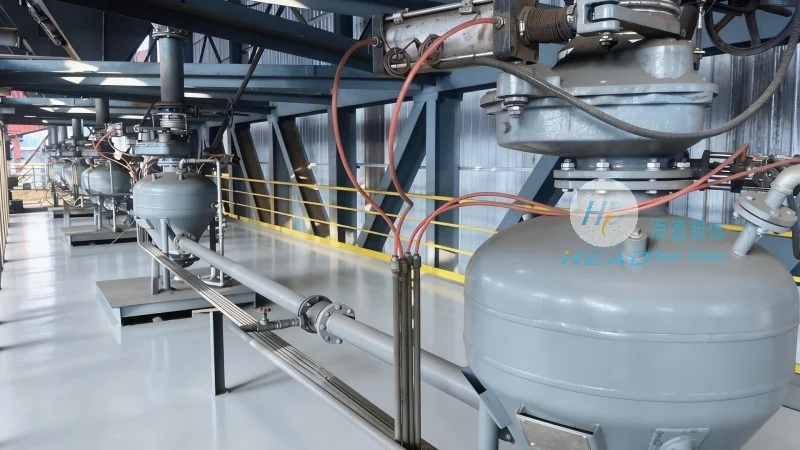
When implementing a pneumatic conveying system for small beans, it is essential to understand the two primary methods: dilute phase (sparse phase) and dense phase conveying. Each method offers distinct advantages depending on the distance of transport, the type of material, and the desired throughput.
Dilute Phase Conveying: This method uses high-velocity air to suspend the small beans in a stream of air. It is ideal for short to medium distances and high capacities. In a dilute phase system, the material travels at high speeds, which can be beneficial for maintaining flow but may increase wear on the system components if not properly managed. However, for certain types of small beans that are highly flowable, this method can be very efficient.
Dense Phase Conveying: This is often the preferred method for fragile materials like small beans. In dense phase systems, the material moves in a slug or plug formation at low velocity. This gentle movement significantly reduces product breakage and wear on the pipes and valves. Dense phase is particularly effective for longer distances and can handle a wide variety of material properties. Shandong Headpowder Engineering Co., Ltd. specializes in designing dense phase systems that maximize energy efficiency while minimizing product degradation.
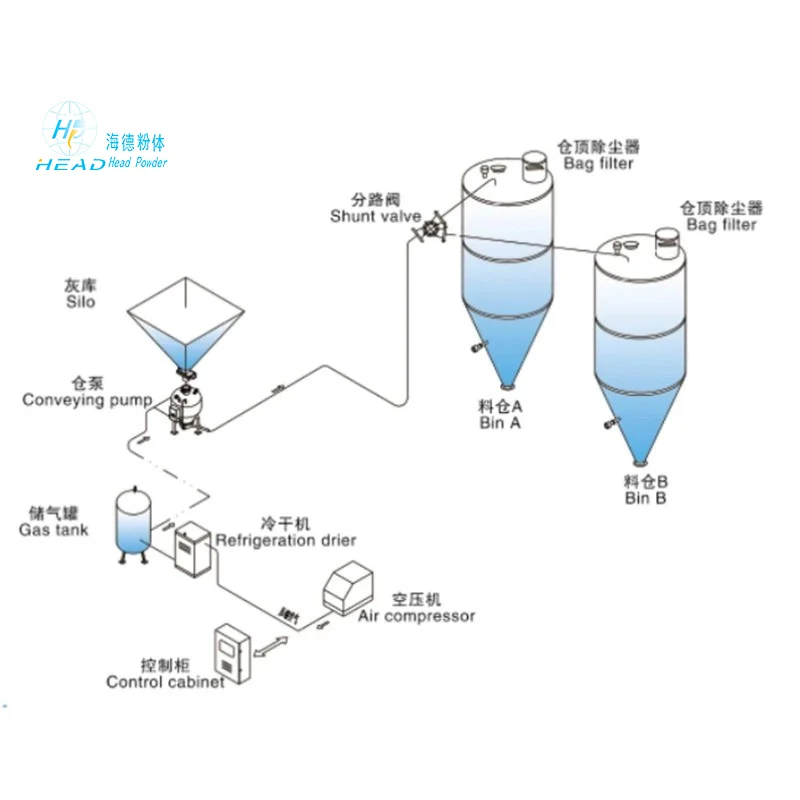
Implementing a professional material conveying system offers a multitude of benefits that extend beyond simple transportation. The most immediate benefit is the drastic reduction in labor costs; automated pneumatic systems require minimal human intervention once they are operational. Furthermore, the enclosed nature of the system ensures a clean production environment, which is crucial for meeting food safety standards and regulations. By automating the transfer of small beans, companies can also improve inventory management and reduce the risk of cross-contamination between different product batches. Additionally, these systems are relatively low maintenance compared to mechanical conveyors, as there are no moving parts in contact with the product. The reliability of a pneumatic system means less downtime for maintenance and repairs, ensuring a continuous production flow that keeps pace with market demands.
Choosing the right partner for your material conveying needs is as important as choosing the equipment itself. Shandong Headpowder Engineering Co., Ltd. is committed to providing comprehensive engineering services that cover the entire lifecycle of the project. From the initial feasibility study and system design to manufacturing, installation, and after-sales support, we are with you every step of the way. Our team of experienced engineers possesses deep knowledge of fluid dynamics and material handling, ensuring that your system is optimized for performance and longevity. We pride ourselves on our ability to deliver customized solutions that meet the unique challenges of your facility. By selecting Headpowder, you are partnering with a company that values quality, innovation, and customer satisfaction above all else.
To discuss your specific requirements for small bean handling or to schedule a consultation with our engineering team, please do not hesitate to reach out. Our dedicated professionals are ready to provide expert advice tailored to your operational needs. You can contact our project manager, Zhang Manager, for detailed information regarding our equipment capabilities and pricing. We look forward to helping you optimize your production processes with our advanced conveying solutions. Please connect with us via WeChat at 15662777102 to initiate the conversation. We are committed to providing you with the highest level of service and technical support to ensure your success.

 Shandong Headpowder Engineering Co., Ltd.
 156-6277-7102(Manager Zhang)
  0531-83386006
  Zhangqiu District, Jinan City, Shandong Province, China
telephone
WeChatconsult
top