With more than 10‑year industry experience, Shandong Headpowder delivers full‑service pneumatic‑conveying systems and blowers, undertaking nationwide turn‑key powder‑handling projects.
For industrial operations dealing with oxide copper materials, the efficiency and reliability of material handling systems are critical. An oxide copper material conveying line is a specialized system engineered to transport these materials from one location to another within a processing facility. This system is designed to handle the unique properties of oxide copper, such as its chemical composition and physical characteristics, ensuring safe and efficient movement. The design principles behind these conveying lines are tailored to meet the specific demands of oxide copper processing, integrating components that optimize performance and durability.
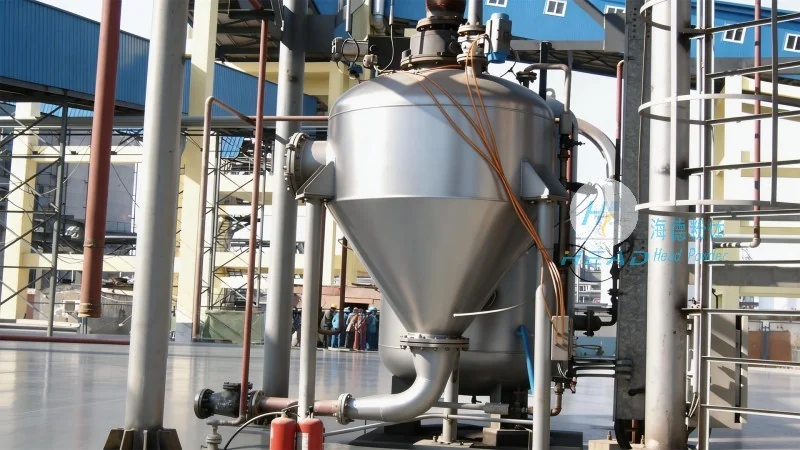
The core components of an oxide copper material conveying line typically include feeders, conveyors, and control systems. Feeders are used to regulate the flow of oxide copper material into the system, ensuring a consistent and controlled feed rate. Common types of feeders for oxide copper include screw feeders and vibratory feeders, which are chosen based on the material's bulk density and flow characteristics. Conveyors, such as belt conveyors or chain conveyors, are then used to transport the material along the desired path. The choice of conveyor type depends on factors like the material's abrasiveness, moisture content, and the required distance of transport. Control systems, including sensors and automation equipment, monitor the operation of the conveying line, providing real-time feedback and adjusting parameters as needed to maintain optimal performance.
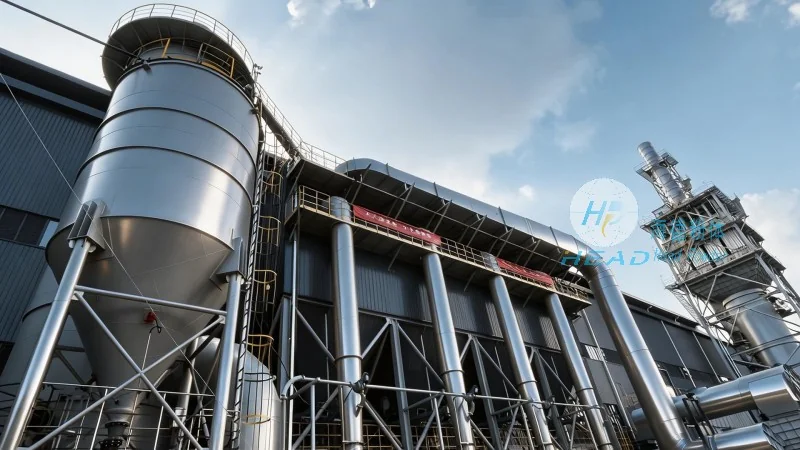
The design of an oxide copper material conveying line is guided by several key principles aimed at maximizing efficiency and minimizing downtime. One of the primary principles is the consideration of material properties. Oxide copper can be abrasive and may contain moisture, which can affect the wear rate of conveyor components. Therefore, the design incorporates durable materials for conveyor belts and idlers, such as high-strength rubber or metal components, to withstand the harsh conditions. Another principle is the optimization of flow and pressure. The system is designed to maintain a smooth and continuous flow of material, reducing the risk of blockages or jams. This is achieved through proper inclination of the conveyor, appropriate speed settings, and the use of transition sections that minimize changes in direction. Additionally, the design emphasizes safety and compliance with industrial standards, incorporating features like emergency stop buttons and protective guards to prevent accidents and ensure operator safety.
Oxide copper material conveying lines are widely used in various industrial applications, including mining, smelting, and material processing. In mining operations, these systems are used to transport oxide copper ore from the mine to processing facilities, where it is further refined. In smelting plants, the conveying lines deliver oxide copper to furnaces for melting and purification. The benefits of using specialized conveying lines for oxide copper include improved productivity, reduced labor costs, and enhanced safety. By automating the material handling process, these systems minimize the need for manual handling, which can be hazardous due to the material's potential to cause skin irritation or other health issues. Furthermore, the efficient design of the conveying line reduces energy consumption and maintenance costs over time, making it a cost-effective solution for oxide copper processing.
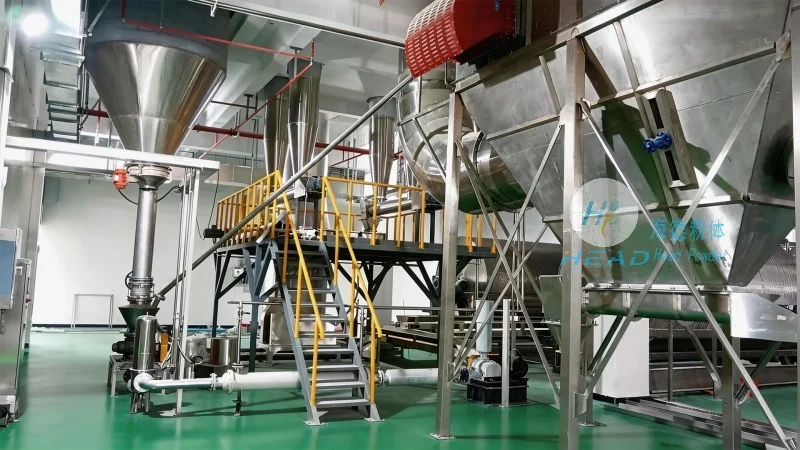
Due to the diverse nature of oxide copper materials and processing requirements, oxide copper material conveying lines are often customized to meet specific client needs. Shandong HeadPowder Engineering Co., Ltd., a leading manufacturer in this field, offers tailored solutions that integrate the latest technology and engineering expertise. The company's engineers work closely with clients to understand their operational needs and design a conveying line that optimizes performance and reliability. Regular maintenance is also crucial for the longevity and efficiency of these systems. This includes routine inspections of conveyor components, lubrication of moving parts, and replacement of worn parts as needed. By adhering to a regular maintenance schedule, operators can ensure that the conveying line operates at peak performance, minimizing downtime and maximizing productivity.

 Shandong Headpowder Engineering Co., Ltd.
 156-6277-7102(Manager Zhang)
  0531-83386006
  Zhangqiu District, Jinan City, Shandong Province, China
telephone
WeChatconsult
top