With more than 10‑year industry experience, Shandong Headpowder delivers full‑service pneumatic‑conveying systems and blowers, undertaking nationwide turn‑key powder‑handling projects.
Foam material conveying lines are specialized systems engineered to transport lightweight, low-density materials such as foam, expanded polystyrene, or other similar substances efficiently and safely. These systems are crucial in industries where handling fragile or irregularly shaped foam products is necessary, ensuring minimal damage and optimal material flow. The design of a foam material conveying line is tailored to address the unique properties of foam, including its low weight, compressibility, and susceptibility to static electricity. Such systems are typically designed and manufactured by Shandong HeadPowder Engineering Co., Ltd., a leading provider in the field.
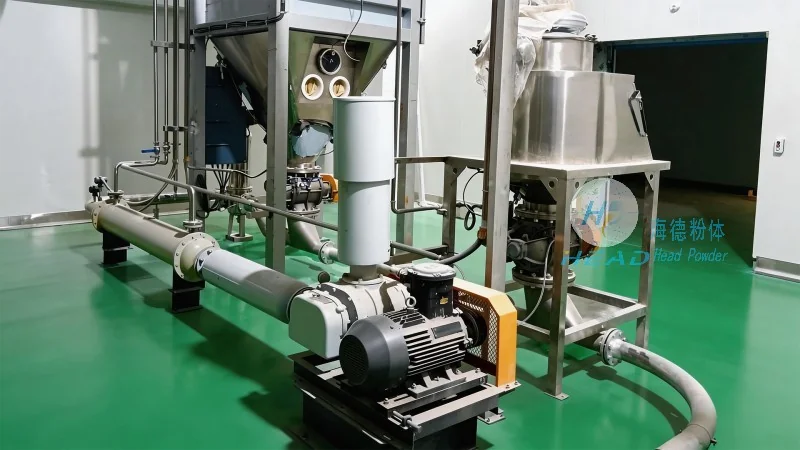
Next, we explore the fundamental design principles that underpin these conveying systems. The primary goal is to maintain the integrity of the foam material while ensuring smooth, continuous transport. Key design considerations include the selection of appropriate conveyor components, such as belt types, rollers, and idlers, which are chosen to minimize friction and prevent material degradation. Additionally, the system incorporates features to manage static electricity, as foam materials are often prone to generating static charges that could lead to material buildup or contamination.
The structural layout of a foam material conveying line typically involves a combination of horizontal and vertical sections, with the horizontal components designed to handle the bulk of the material transport and vertical sections used for elevation changes. The horizontal conveyors may use belt conveyors or chain conveyors, depending on the specific material characteristics and required throughput. For foam materials, belt conveyors are often preferred due to their ability to handle lightweight loads without excessive tension or wear.
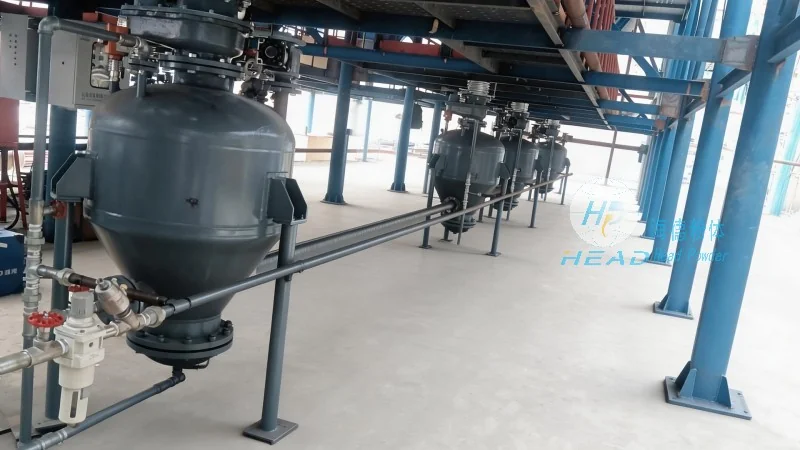
Vertical conveying elements, such as inclined or vertical lift mechanisms, are critical for moving foam from lower to higher levels. These components must be designed to accommodate the compressibility of foam, ensuring that the material is not crushed or deformed during the lifting process. The use of gentle inclines and smooth transitions helps maintain the material's shape and prevents damage.
Another essential design principle is the incorporation of material handling accessories, such as feeders, dividers, and sorters. These accessories help in controlling the flow rate and direction of the foam material, ensuring that the conveying line operates at an optimal speed and efficiency. For instance, a feeder can regulate the amount of material entering the conveyor, preventing overloading or underloading, which could lead to inefficiencies or material loss.
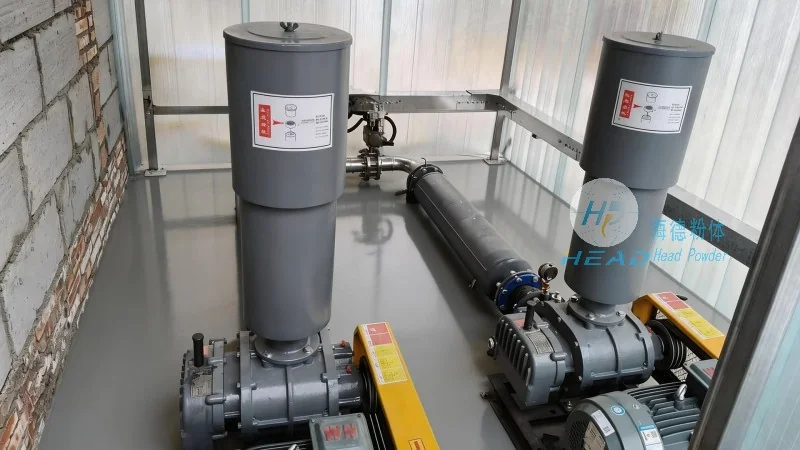
The control system of a foam material conveying line is another critical aspect of its design. Modern systems often include automated controls that monitor the conveyor's performance, such as speed, tension, and material level. These controls help in maintaining consistent operation and detecting any anomalies, such as blockages or material jams, which could disrupt the conveying process. The integration of sensors and feedback mechanisms allows for real-time adjustments, enhancing the overall reliability and efficiency of the system.
Safety considerations are also a key part of the design principles for foam material conveying lines. Given that foam materials can be lightweight and may pose a risk of dust or particle dispersion, the system is designed with features to minimize dust generation and ensure proper ventilation. Additionally, the conveyor components are constructed from materials that are resistant to the chemicals or solvents that may be present in the foam production process, ensuring durability and longevity.
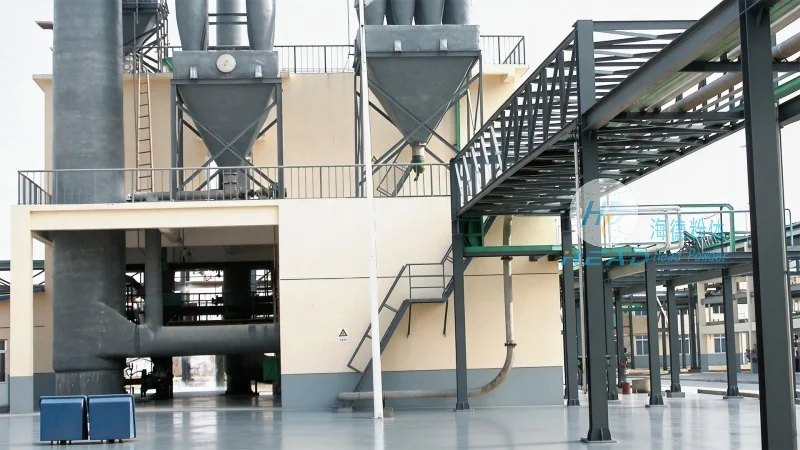
The application of foam material conveying lines spans various industries, including packaging, construction, and automotive manufacturing. In packaging, these systems are used to transport foam packaging materials to assembly lines, ensuring that products are protected during shipping. In construction, they help in moving insulation materials to building sites, where their lightweight and insulating properties are utilized. The automotive industry also benefits from these systems in the production of foam components for vehicle interiors and exteriors.
In conclusion, foam material conveying lines are sophisticated systems that combine engineering principles with practical design to handle the unique challenges of transporting foam materials. The design process involves careful consideration of material properties, operational requirements, and safety standards to create a system that is efficient, reliable, and durable. By understanding the design principles and components of these conveying lines, industries can optimize their material handling processes and improve overall productivity.

 Shandong Headpowder Engineering Co., Ltd.
 156-6277-7102(Manager Zhang)
  0531-83386006
  Zhangqiu District, Jinan City, Shandong Province, China
telephone
WeChatconsult
top