

What is a Graphite Powder Material Pneumatic Conveying Machine? And What Are Its Design Principles?
Graphite powder, a widely used material in various industrial applications, often requires efficient and reliable handling systems to ensure smooth production processes. Among the advanced solutions available, the graphite powder material pneumatic conveying machine stands out as a sophisticated equipment designed to transport fine powders like graphite with precision and minimal loss. This article aims to explore the fundamental aspects of such a machine, focusing on its design principles and operational mechanisms.
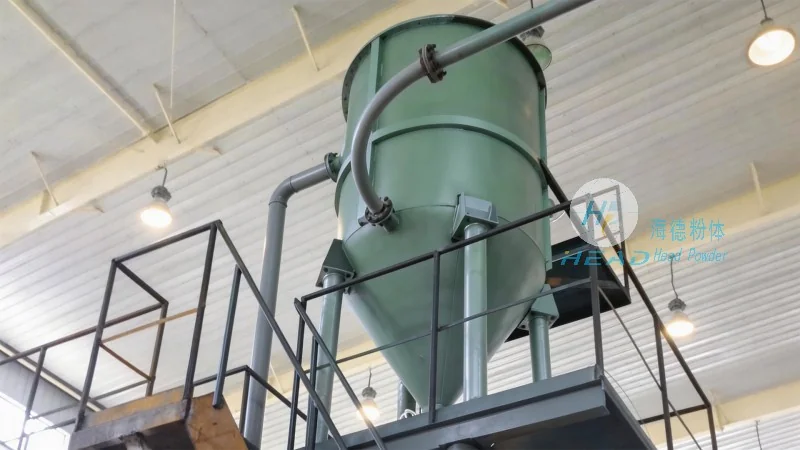
Understanding the Graphite Powder Pneumatic Conveying Machine
At the core of many industrial operations, the efficient transportation of fine materials is crucial for maintaining productivity and product quality. Graphite powder, due to its unique properties—such as high lubricity, thermal conductivity, and chemical stability—finds applications in sectors ranging from refractory materials and battery manufacturing to lubricants and coatings. However, handling this powder efficiently without causing agglomeration, dust, or loss is a significant challenge. The graphite powder material pneumatic conveying machine addresses these challenges by utilizing the principles of pneumatic transport, where air is used as the medium to move the powder through a system of pipes and components.
Key Components and Design of the Pneumatic Conveying System
The design of a graphite powder pneumatic conveying machine involves several critical components that work in harmony to achieve effective material transport. The primary components include the hopper (or feeder), the air compressor or blower, the conveying line (pipes), and the receiver (or discharge hopper). The hopper is responsible for storing and feeding the graphite powder into the system, ensuring a consistent flow rate. It is typically equipped with a feeder mechanism, such as a rotary valve or a screw feeder, to control the discharge of the powder. The air compressor or blower generates the necessary air pressure to move the powder particles through the conveying line. The conveying line, made of materials resistant to corrosion and abrasion (such as stainless steel or special plastics), is designed to withstand the abrasive nature of graphite powder and prevent clogging. The receiver is where the transported graphite powder is collected, and it may include features like a dust filter or a cyclone separator to enhance material recovery and air purification.
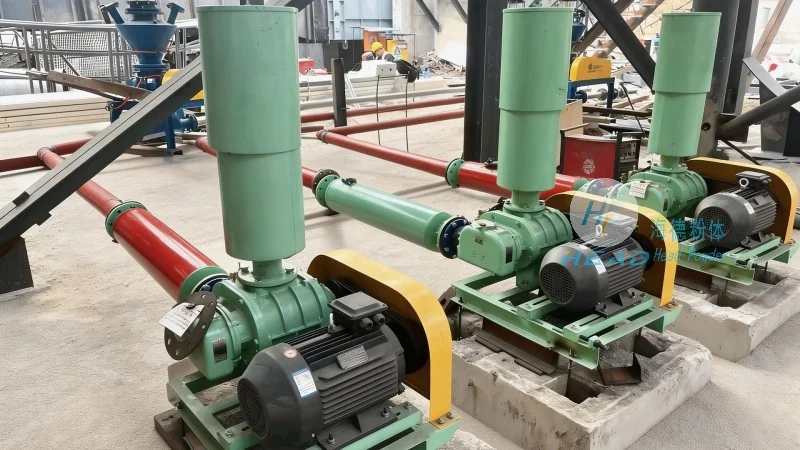
Design Principles Underlying the Pneumatic Conveying Mechanism
The design principles of a graphite powder pneumatic conveying machine are rooted in fluid dynamics and particle transport theory. The most common types of pneumatic conveying systems are classified based on the air flow direction relative to the material flow. In a dilute phase system, the powder is suspended in the air stream, moving at a relatively high velocity. This type is suitable for long-distance transport and is commonly used for graphite powder due to its fine particle size. The design of the conveying line, including the diameter and length, is critical to maintaining the proper air-to-powder ratio, which affects the conveying efficiency and pressure drop. The air velocity must be sufficient to keep the particles in suspension but not so high as to cause excessive wear on the equipment or energy waste. Additionally, the system may incorporate features like pulse or rotary jet valves to control the flow of material and air, ensuring smooth operation and preventing blockages.
Operational Considerations and Maintenance
Operating a graphite powder pneumatic conveying machine requires careful consideration of several factors to ensure optimal performance and longevity. The air pressure and flow rate must be adjusted according to the particle size, density, and moisture content of the graphite powder. For fine graphite powders, higher air velocities are often needed to maintain suspension. Regular maintenance is essential to prevent issues such as clogging, corrosion, or wear. This includes cleaning the conveying line, inspecting the feeder and receiver components, and checking the air compressor or blower for proper functioning. Proper sealing of the system is also crucial to minimize dust emissions and maintain a safe working environment.
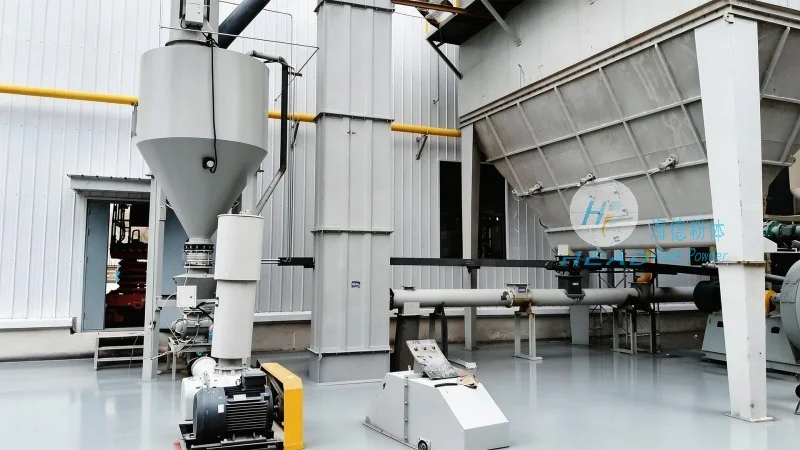
Applications and Benefits in Industrial Settings
The graphite powder material pneumatic conveying machine offers numerous benefits in industrial applications, particularly where traditional methods like bucket elevators or belt conveyors are unsuitable. The primary advantages include the ability to transport fine powders over long distances without the need for multiple transfer points, reduced material loss and contamination, and improved safety by minimizing dust exposure. In industries like battery manufacturing, where graphite powder is used as an anode material, the pneumatic conveying system ensures a clean and efficient supply of raw material, contributing to higher product quality and consistency. Additionally, the system’s compact design allows for easy integration into existing production lines, making it a versatile solution for various processing needs.
Conclusion
In summary, the graphite powder material pneumatic conveying machine is a sophisticated and efficient solution for handling fine graphite powders in industrial settings. Its design, based on pneumatic transport principles, addresses the unique challenges associated with graphite powder, such as its fine particle size and abrasive nature. By understanding the key components, design principles, and operational considerations, industries can leverage this technology to enhance productivity, maintain product quality, and ensure a safe working environment. As a leading provider in this field, Shandong HeadPowder Engineering Co., Ltd. specializes in designing and manufacturing such advanced equipment, catering to the diverse needs of various industrial sectors.