With more than 10‑year industry experience, Shandong Headpowder delivers full‑service pneumatic‑conveying systems and blowers, undertaking nationwide turn‑key powder‑handling projects.
For industrial applications involving sodium hydroxide, efficient material handling is crucial to ensure safety, productivity, and compliance with operational standards. This article provides an in-depth look at the operation process and working principles of sodium hydroxide material handling systems, highlighting key components, operational procedures, and the importance of proper system design.
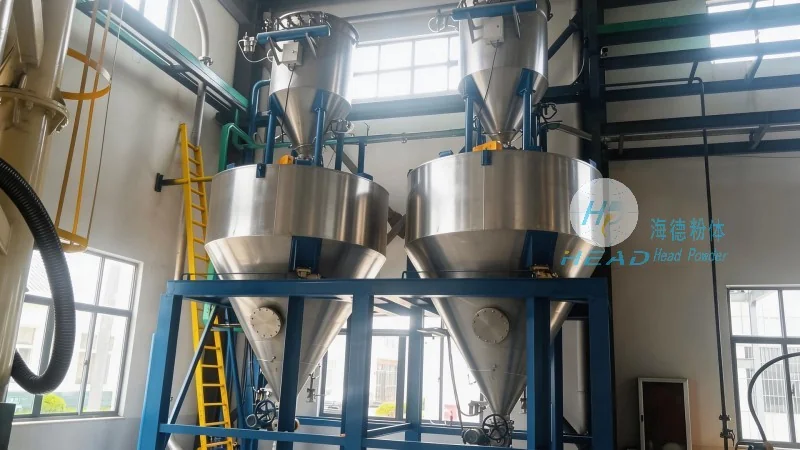
Sodium hydroxide, commonly known as caustic soda, is a highly caustic chemical widely used in various industries such as chemical manufacturing, paper production, and water treatment. Due to its corrosive nature and hazardous properties, handling sodium hydroxide requires specialized equipment and careful operational protocols. The process of transporting and managing this material involves several critical steps to maintain safety and efficiency.
The effective operation of sodium hydroxide material handling systems relies on a combination of specialized equipment designed to handle the chemical's corrosive and reactive characteristics. These components typically include storage tanks, pumping systems, transfer pipelines, and safety control mechanisms. Each component plays a vital role in ensuring the safe and efficient movement of sodium hydroxide from storage to processing areas.
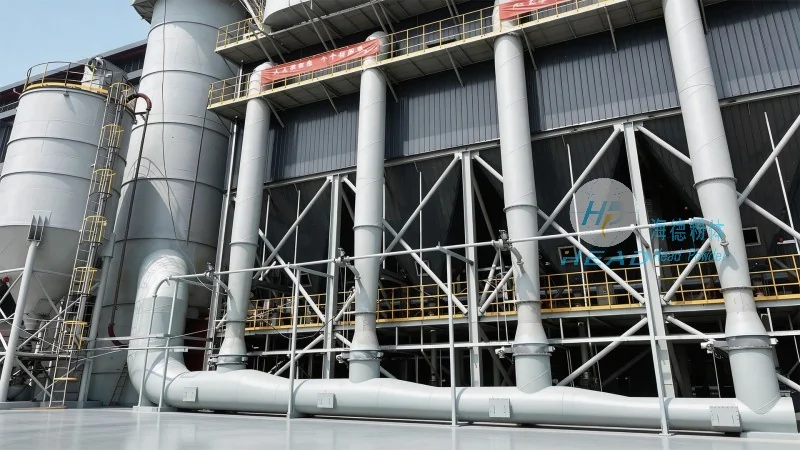
Storage tanks are often constructed from corrosion-resistant materials like stainless steel or lined with protective coatings to prevent degradation from the chemical. These tanks are equipped with level indicators, temperature sensors, and pressure relief valves to monitor and maintain safe operating conditions. The pumping system, which may include centrifugal or positive displacement pumps, is designed to handle the viscous and corrosive nature of sodium hydroxide solutions. Transfer pipelines are typically made of materials such as PVC, PTFE, or lined steel to withstand the chemical's aggressive properties and prevent leaks or contamination.
The operation process of sodium hydroxide material handling involves several sequential steps that ensure the material is moved safely and efficiently from storage to its intended destination. The process typically begins with the charging of the storage tank with sodium hydroxide, which may be in solid or liquid form. For solid sodium hydroxide, a material handling system such as a screw conveyor or a pneumatic conveyor may be used to transport the solid material into the storage tank.
Once the storage tank is filled, the material is prepared for transfer. This involves checking the tank's level, temperature, and pressure to ensure it is within safe operating parameters. The pumping system is then activated to start the transfer process. The pump draws the sodium hydroxide from the storage tank and pumps it through the transfer pipelines to the processing area. During this process, the system may include flow meters to monitor the volume of material being transferred and pressure gauges to ensure consistent flow.
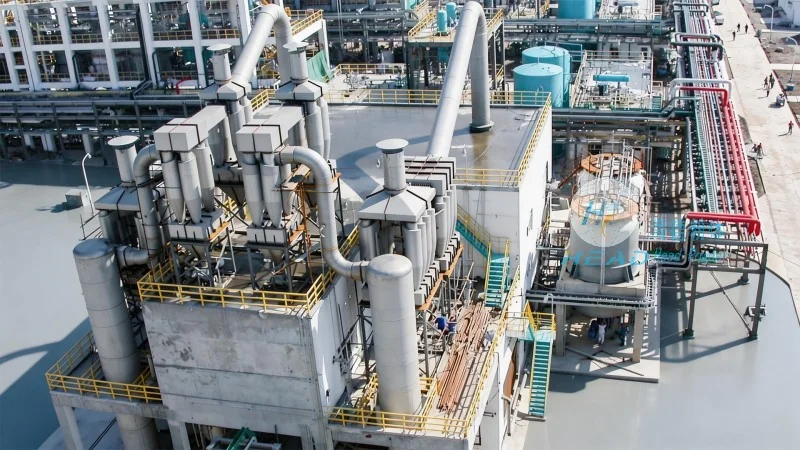
The transfer process continues until the desired amount of sodium hydroxide has been delivered to the processing equipment. After the transfer is complete, the system is typically flushed with water or another compatible fluid to remove any residual sodium hydroxide from the pipelines and equipment. This flushing step is critical to prevent corrosion and ensure the system is ready for the next batch of material.
The working principles of sodium hydroxide material handling systems are based on fundamental engineering concepts and safety protocols. The primary principle is to minimize exposure to the chemical and prevent leaks or spills, which can cause environmental damage and safety hazards. This is achieved through the use of corrosion-resistant materials, sealed systems, and automated control mechanisms.
Another key principle is the proper design of the system to handle the physical properties of sodium hydroxide. Sodium hydroxide solutions can vary in concentration and viscosity, which affects the flow characteristics and the required pump capacity. The system design must account for these variations to ensure smooth and consistent operation. Additionally, the system must be equipped with safety features such as emergency shut-off valves, pressure relief devices, and alarms to detect any abnormalities and prevent accidents.
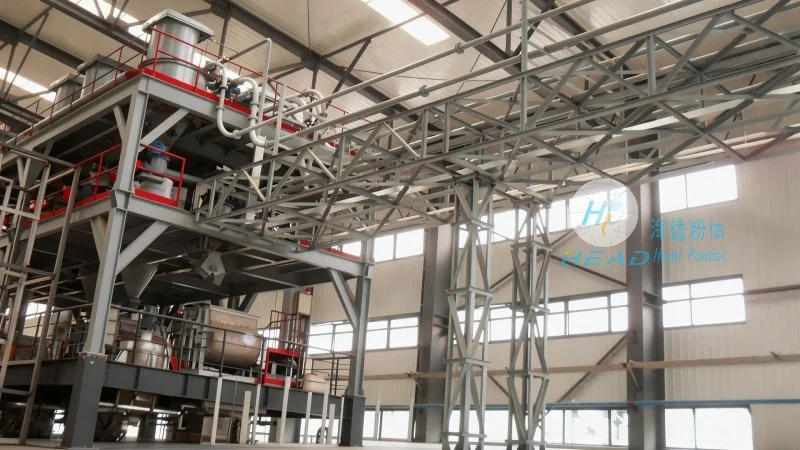
Proper system design and regular maintenance are essential for the reliable and safe operation of sodium hydroxide material handling systems. A well-designed system ensures that all components are compatible with the chemical and can withstand its corrosive effects. Regular maintenance, including inspections, cleaning, and component replacement, helps to prevent system failures and ensure long-term performance.
Companies specializing in industrial material handling, such as Shandong HeadPowder Engineering Co., Ltd., offer comprehensive solutions for sodium hydroxide material handling. With expertise in chemical processing and equipment design, they provide systems tailored to the specific needs of their clients. Their products and services focus on safety, efficiency, and compliance with industry standards, ensuring that clients can handle sodium hydroxide with confidence and reliability.

 Shandong Headpowder Engineering Co., Ltd.
 156-6277-7102(Manager Zhang)
  0531-83386006
  Zhangqiu District, Jinan City, Shandong Province, China
telephone
WeChatconsult
top