With more than 10‑year industry experience, Shandong Headpowder delivers full‑service pneumatic‑conveying systems and blowers, undertaking nationwide turn‑key powder‑handling projects.
Foam particle pneumatic conveying machines represent a specialized form of pneumatic conveying technology, designed to handle bulk materials efficiently while incorporating foam as a carrier medium. This method offers unique advantages in material transport, particularly for fine or delicate powders where traditional conveying systems may struggle with issues like blockages or material degradation. Understanding the fundamentals of this equipment and its underlying design principles is crucial for industries seeking reliable and efficient material handling solutions.
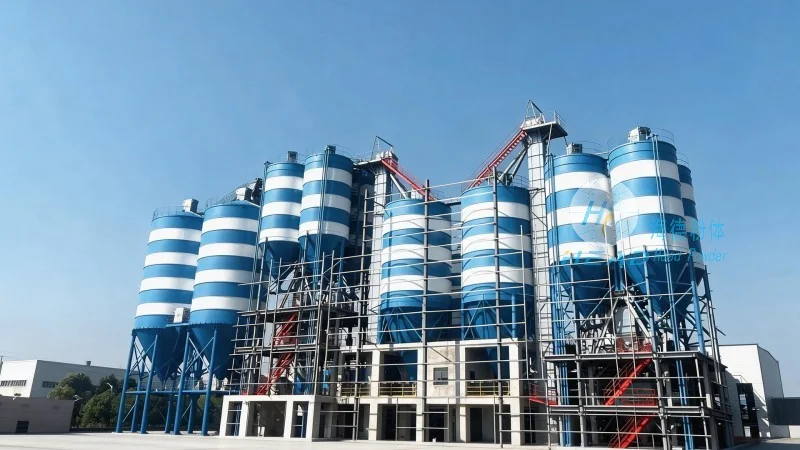
Foam particle pneumatic conveying machines are industrial devices that utilize a foam-based carrier to transport solid particles through a pipeline. Unlike conventional pneumatic conveyors that rely on air or gas alone, these systems integrate foam to enhance the conveying efficiency and stability of the material flow. The foam acts as a cushion, reducing friction and preventing particle agglomeration, which is especially beneficial for materials that are prone to clumping or caking. This technology is widely adopted in sectors such as food processing, pharmaceuticals, and chemical manufacturing, where maintaining product integrity is paramount.
The design of foam particle pneumatic conveying machines is centered around several core principles that ensure optimal performance. First, the system must generate a stable foam mixture, typically by blending air with a liquid (often water or a specialized solution) under controlled conditions. This foam is then introduced into the conveying line, where it carries the solid particles. The key components include a foam generator, a material feeding mechanism, and a pipeline system. The foam generator is responsible for producing the uniform foam, while the feeding system ensures consistent material input. The pipeline design must accommodate the foam and particles without causing excessive pressure drops or turbulence, which could lead to material degradation or system inefficiencies.
The operation of a foam particle pneumatic conveying machine involves several sequential steps. Initially, the solid particles are fed into the system, often via a hopper or feeder. Simultaneously, the foam is generated and mixed with the air stream. The foam, being less dense than the solid particles, lifts and transports the material through the pipeline. As the material travels, the foam gradually dissipates, leaving the particles at the discharge point. This process allows for a gentle and continuous transport of materials, minimizing the risk of breakage or contamination. The system's efficiency is influenced by factors such as foam density, air flow rate, and particle size, all of which are carefully optimized during the design phase.
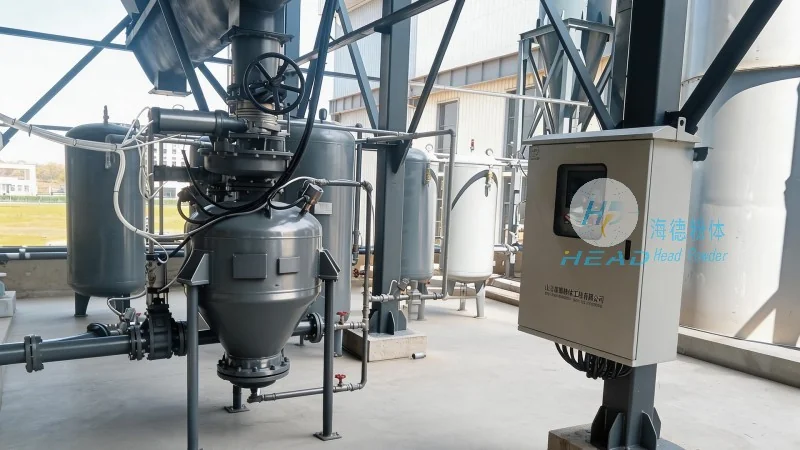
Foam particle pneumatic conveying offers several advantages over traditional conveying methods. One of the most significant benefits is the reduced risk of material degradation due to the gentle handling provided by the foam cushion. This is particularly important for heat-sensitive or fragile products, where traditional air-based conveyors may cause overheating or particle breakage. Additionally, the foam-based system can handle a wider range of particle sizes and shapes, including fine powders and irregularly shaped materials. The ability to control the foam density and air flow allows for precise regulation of the conveying speed, ensuring consistent material delivery. Another advantage is the reduced wear and tear on the equipment, as the foam acts as a lubricant, minimizing friction between the particles and the pipeline walls.
The versatility of foam particle pneumatic conveying makes it suitable for a variety of applications across different industries. In the food industry, it is commonly used for transporting ingredients like flour, sugar, and spices, where maintaining product purity and preventing cross-contamination is critical. The pharmaceutical sector utilizes this technology for handling active pharmaceutical ingredients (APIs) and other sensitive materials, ensuring that the final product remains free from contaminants. In the chemical industry, foam particle conveyors are employed to transport powders such as pigments, catalysts, and specialty chemicals, where the need for precise control and minimal material loss is essential. Other applications include the handling of minerals, agricultural products, and industrial waste, where the system's ability to handle abrasive or corrosive materials is advantageous.
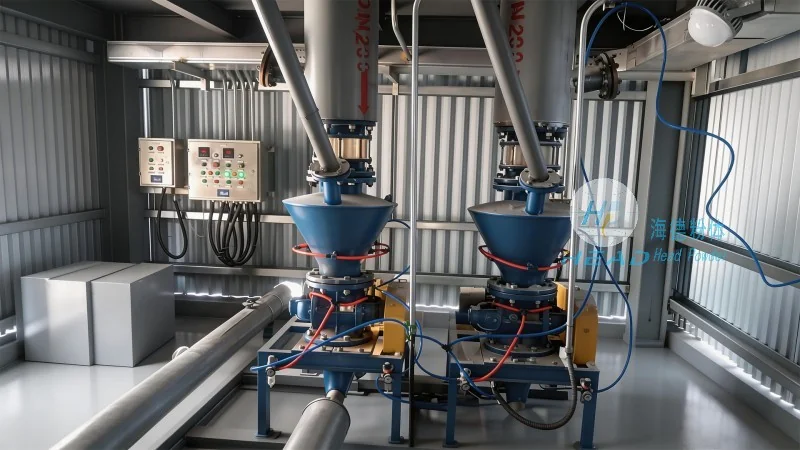
When designing a foam particle pneumatic conveying machine, several factors must be considered to ensure optimal performance. The first is the material characteristics, including particle size, density, and moisture content. These properties determine the required foam density and air flow rate. The second is the conveying distance and pipeline layout, as longer distances may require additional foam generation or pressure boosters. The third is the system's integration with existing infrastructure, such as existing hoppers or storage silos. Customization is a key aspect of foam particle pneumatic conveying systems, as each application has unique requirements. For example, some systems may include additional components like filters or separators to remove excess foam or moisture from the discharged material. The design process typically involves thorough testing and simulation to ensure that the system meets the specific needs of the end-user.
Proper maintenance is essential to ensure the longevity and efficiency of a foam particle pneumatic conveying machine. Regular inspection of the foam generator and feeding mechanisms is crucial to prevent clogging or wear. The foam lines and pipelines should be checked for any signs of damage or blockage, as these can affect the system's performance. Cleaning the system after each use is recommended to remove any residual material or foam, which can prevent buildup and maintain optimal operation. Operational tips include monitoring the foam density and air flow rate during operation, as these parameters directly impact the conveying efficiency. Adjusting the system based on real-time performance data can help optimize the process and reduce energy consumption. Additionally, training operators on the proper use and maintenance of the equipment is vital to ensure safe and efficient operation.
Shandong HeadPowder Engineering Co., Ltd., commonly known as HeadPowder, is a leading manufacturer of specialized material handling equipment, including foam particle pneumatic conveying machines. With headquarters in Shandong, China, the company has established itself as a trusted provider of high-quality industrial solutions. HeadPowder's commitment to innovation and customer satisfaction has enabled it to serve a diverse range of industries, delivering reliable and efficient equipment that meets the unique needs of each client. The company's expertise in material handling technology, combined with its focus on quality and service, has made it a preferred choice for businesses seeking advanced conveying solutions. Through continuous research and development, HeadPowder remains at the forefront of the industry, providing cutting-edge equipment that enhances productivity and ensures product integrity.

 Shandong Headpowder Engineering Co., Ltd.
 156-6277-7102(Manager Zhang)
  0531-83386006
  Zhangqiu District, Jinan City, Shandong Province, China
telephone
WeChatconsult
top