

Operation Process and Working Principle of PTFE Powder Pneumatic Conveying Line
PTFE powder pneumatic conveying lines are sophisticated systems designed to transport PTFE (polytetrafluoroethylene) powder efficiently and reliably. These systems are integral to various industrial applications where handling fine powders requires precision and control. The operation of such lines involves a series of steps and mechanisms that ensure the safe and effective movement of PTFE powder from one location to another.
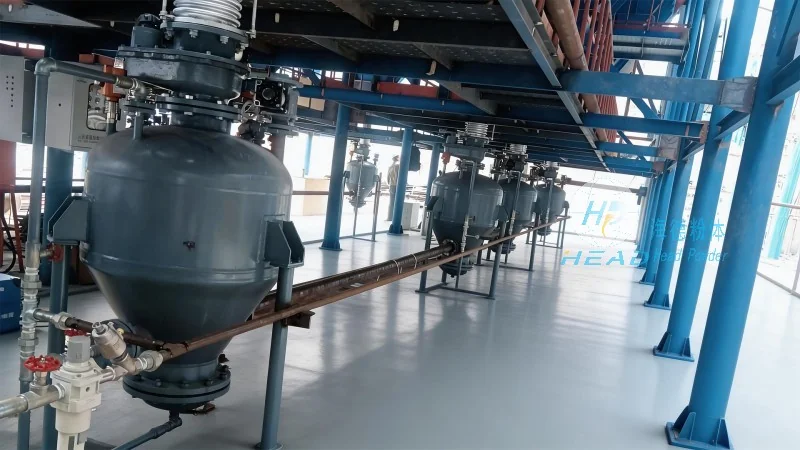
Overview of PTFE Powder Pneumatic Conveying Systems
PTFE powder pneumatic conveying systems are engineered to handle the unique properties of PTFE powder, which includes its low bulk density, high moisture sensitivity, and the need for contamination-free handling. These systems typically consist of several key components, including a hopper for material storage, a conveying line (often made of PTFE or other corrosion-resistant materials), a blower or compressor to generate the air flow, and a receiver or discharge unit. The design of these systems is tailored to minimize particle degradation and ensure consistent flow rates.
Key Components and Their Functions
Each component of the PTFE powder pneumatic conveying line plays a critical role in the overall operation. The hopper, often equipped with a feeder or rotary valve, controls the release of PTFE powder into the system. The feeder ensures a steady and controlled feed rate, preventing overloading or underfeeding that could disrupt the conveying process. The blower or compressor provides the necessary air pressure and volume to move the powder through the conveying line. The line itself, usually made of PTFE-coated tubing or stainless steel with PTFE liners, is designed to withstand the abrasive and chemical properties of PTFE powder while maintaining low friction and preventing material buildup. The receiver or discharge unit collects the PTFE powder at the destination and may include a dust collection system to ensure environmental compliance.
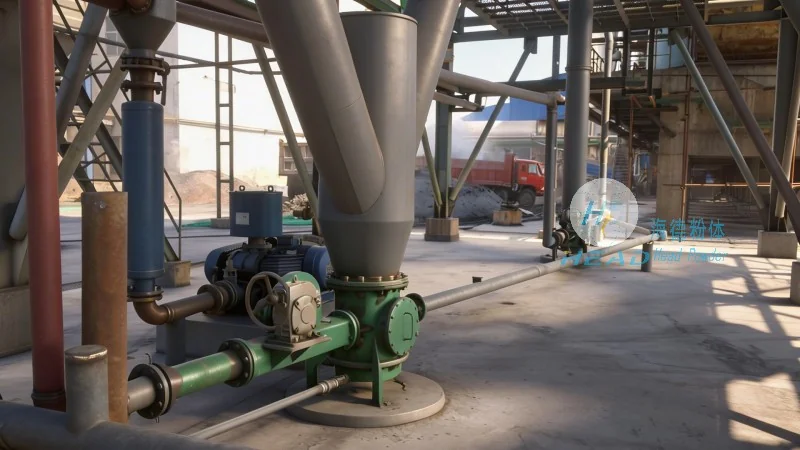
Operation Process of PTFE Powder Pneumatic Conveying Lines
The operation of a PTFE powder pneumatic conveying line begins with the loading of PTFE powder into the hopper. The feeder then starts, releasing a controlled amount of powder into the conveying line. Simultaneously, the blower activates, generating a high-velocity air stream that entrains the powder particles. As the air and powder mixture travels through the conveying line, the powder is suspended and transported to the receiver. The velocity of the air is carefully controlled to ensure that the powder remains in suspension without causing excessive wear on the system components. Upon reaching the receiver, the air is filtered and discharged, while the PTFE powder is collected in the designated container. The process may involve multiple stages, such as a transfer from a primary hopper to a secondary storage unit, with each stage following the same basic principles of controlled feeding, air flow, and particle suspension.
Working Principle of PTFE Powder Pneumatic Conveying Systems
The working principle of PTFE powder pneumatic conveying lines is based on the principle of pneumatic transport, where solid particles are carried by a moving gas stream. In the case of PTFE powder, the system relies on the creation of a low-pressure zone in the conveying line, which draws the powder from the hopper and entrains it with the air. The air velocity is maintained above the minimum fluidization velocity of the PTFE powder, ensuring that the particles remain suspended and do not settle out prematurely. This suspension allows for efficient and continuous transport of the powder over long distances, with minimal loss of material. The system also incorporates features to prevent clogging and maintain consistent flow, such as pulse-jet cleaning of the line and adjustable air flow controls. By optimizing the air-to-powder ratio and velocity, the conveying line achieves high efficiency and low energy consumption, making it an ideal solution for industrial PTFE powder handling applications.
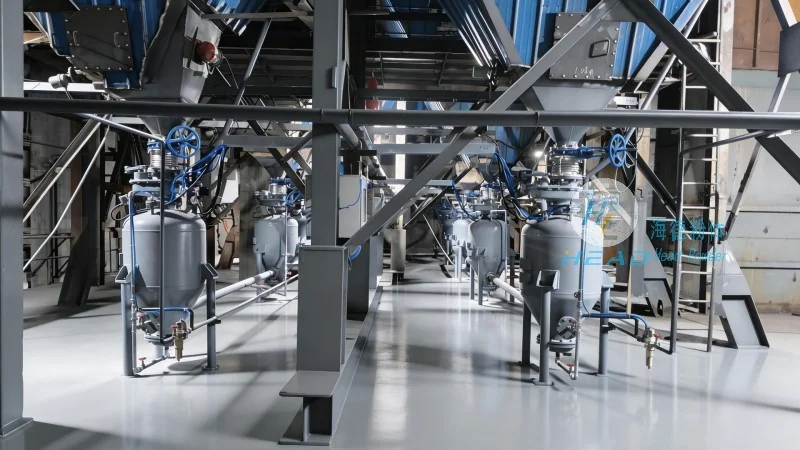
Advantages and Applications of PTFE Powder Pneumatic Conveying Lines
PTFE powder pneumatic conveying lines offer several advantages over traditional bulk material handling methods, such as belt conveyors or screw conveyors. These systems are highly flexible, allowing for changes in the conveying route without major modifications. They also provide a dust-free and enclosed environment, which is crucial for handling PTFE powder, as it is often used in applications requiring high purity and contamination control. The systems are also capable of handling PTFE powder in various forms, including fine powders, granules, and even larger particles, making them versatile for different industrial needs. Applications of PTFE powder pneumatic conveying lines include the production of PTFE-based products, such as coatings, sealants, and bearings, as well as in the chemical and pharmaceutical industries where PTFE is used as a processing aid or additive. The reliability and efficiency of these systems make them a preferred choice for companies in the PTFE manufacturing sector.
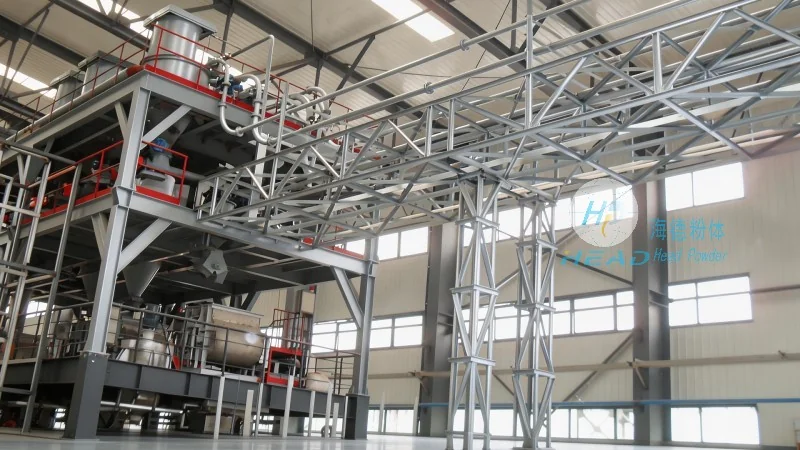
Maintenance and Best Practices for PTFE Powder Pneumatic Conveying Lines
To ensure the long-term performance and reliability of PTFE powder pneumatic conveying lines, proper maintenance is essential. Regular inspection of the hopper and feeder for material buildup or blockages is necessary to prevent system downtime. The blower and compressor should be checked for proper air pressure and flow rates, as any deviations can affect the conveying efficiency. The conveying line should be inspected for signs of wear or damage, particularly in areas where the PTFE powder may cause abrasion. Cleaning the line periodically, using methods such as pulse-jet or manual brushing, helps maintain the system's performance and prevents clogging. Additionally, monitoring the air filtration system ensures that it is effectively removing any PTFE particles from the exhaust air, maintaining environmental compliance. Following these best practices helps extend the lifespan of the equipment and ensures consistent operation of the PTFE powder pneumatic conveying line.
Conclusion
PTFE powder pneumatic conveying lines are advanced industrial systems that play a vital role in the efficient handling of PTFE powder. By understanding the operation process and working principles of these systems, manufacturers can optimize their material handling processes, improve productivity, and maintain product quality. The systems, developed by companies like Shandong HeadPowder Engineering Co., Ltd., offer reliable and flexible solutions for PTFE powder transport, contributing to the success of various industrial applications. With proper maintenance and operation, these lines continue to be a cornerstone of modern PTFE processing and manufacturing.