With more than 10‑year industry experience, Shandong Headpowder delivers full‑service pneumatic‑conveying systems and blowers, undertaking nationwide turn‑key powder‑handling projects.
Waste pneumatic conveying is a critical technology used in the waste management and recycling industries to transport solid waste materials efficiently and safely. This method involves using air pressure or vacuum to move bulk materials through a pipeline system, eliminating the need for traditional mechanical conveyors like belts or buckets. The process is particularly valuable for handling abrasive or hazardous waste, as it minimizes direct contact with the material and reduces the risk of contamination or spillage.
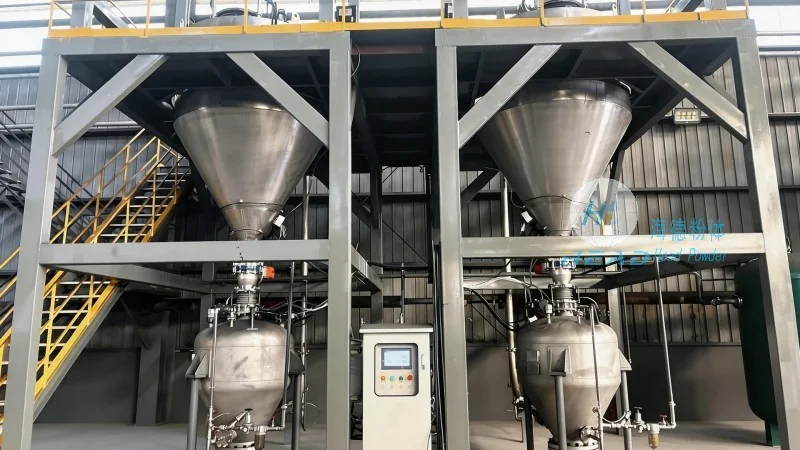
At its core, waste pneumatic conveying is a system that utilizes compressed air or a vacuum to transport solid waste from one location to another. The system typically consists of a hopper or feeder to load the waste, a conveying line (often made of metal or plastic), and a receiver or discharge point. The air flow is controlled by a blower or vacuum pump, which creates the necessary pressure differential to move the material. This technology is widely adopted in municipal solid waste (MSW) management, industrial waste handling, and recycling facilities due to its ability to handle a variety of waste types, including plastics, paper, and organic materials.
A typical waste pneumatic conveying system includes several essential components that work in tandem to ensure efficient operation. The primary components are the material feeder, which may be a rotary valve or a screw feeder, used to introduce the waste into the conveying line. The blower or vacuum pump provides the motive force, generating the airflow that propels the material. The conveying line itself is designed to withstand the pressure and abrasion from the waste, often made of stainless steel or high-density polyethylene. Additionally, the system may include filters and cyclones to separate the air from the waste particles, ensuring that the discharged material is clean and the air is filtered before release. The receiver or discharge hopper collects the transported waste, completing the process.
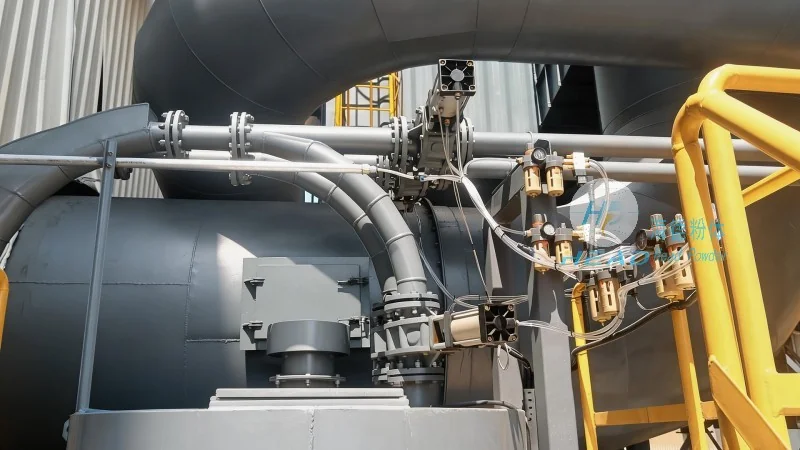
The design of a waste pneumatic conveying system is critical to its performance and longevity. Several key principles guide the engineering of such systems. First, the system must be sized to handle the specific flow rate and material characteristics of the waste being transported. This includes considering the particle size, density, and moisture content of the waste, as these factors affect the air velocity required for efficient transport. Second, the pressure drop along the conveying line must be minimized to reduce energy consumption and prevent excessive wear on the system components. Engineers often use computational fluid dynamics (CFD) to model the flow and optimize the line layout and diameter. Third, the system must be designed for easy maintenance and cleaning, as waste materials can be abrasive and may cause blockages. This includes incorporating features like cleaning ports, inspection hatches, and easy-to-replace filters. Finally, safety considerations are paramount, especially when handling hazardous or toxic waste. The system must include pressure relief valves, explosion-proof components, and proper ventilation to ensure operator safety.
Waste pneumatic conveying is used in a wide range of applications within the waste management sector. In municipal solid waste facilities, it is commonly employed to transport waste from collection trucks to sorting and processing plants. The system can handle the mixed waste from curbside collection, separating it into different streams for recycling or disposal. In industrial settings, it is used to move waste from production lines to storage or disposal areas, often integrating with other processing equipment like shredders or compactors. Recycling facilities also benefit from this technology, as it allows for the efficient transport of recyclable materials like paper, plastic, and metal from sorting stations to baling or shipping operations. The flexibility of pneumatic conveying makes it suitable for both indoor and outdoor applications, adapting to the layout of different waste management facilities.
Compared to traditional mechanical conveyors, waste pneumatic conveying offers several advantages that make it a preferred choice in many applications. One of the most significant benefits is the ability to handle abrasive or corrosive waste without causing wear or damage to the system. Mechanical conveyors, such as belt conveyors, can suffer from material buildup and wear, leading to frequent maintenance and replacement. Pneumatic systems, on the other hand, use air as the conveying medium, eliminating direct contact with the waste and reducing wear on components. Another advantage is the reduced risk of contamination and cross-contamination. Since the waste is not in direct contact with the conveyor, there is less chance of cross-contamination between different waste streams. This is particularly important in recycling facilities where separating materials is critical. Additionally, pneumatic conveying systems are more flexible in terms of layout and can be easily reconfigured to adapt to changes in facility design or waste handling processes. They can also be integrated with other equipment, such as sorting machines or compactors, to create a more automated waste management system.
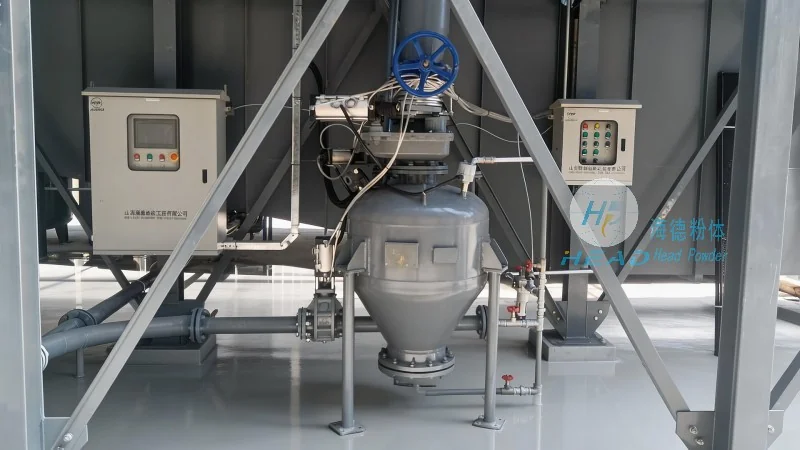
While waste pneumatic conveying offers many benefits, it also presents certain challenges that must be addressed during system design and operation. One of the main challenges is the potential for blockages in the conveying line, especially when handling wet or sticky waste materials. Blockages can cause system downtime and require manual intervention to clear. To mitigate this, engineers may incorporate features like air knives or vibrators to prevent material buildup. Another challenge is the energy consumption of the system, as blower or vacuum pumps require significant power to generate the necessary airflow. However, advancements in blower technology, such as high-efficiency models, have helped reduce energy costs. Additionally, the system must be designed to handle the varying characteristics of waste, as different materials may require different air velocities or pressures. This requires careful material testing and system sizing to ensure optimal performance. Finally, the cost of installation and maintenance must be considered, as pneumatic systems can be more expensive to install than traditional conveyors, especially for large-scale applications.
Shandong HeadPowder Engineering Co., Ltd., commonly known as HeadPowder, is a professional manufacturer specializing in the design, development, and supply of waste pneumatic conveying systems. With years of experience in the waste management industry, HeadPowder has established itself as a trusted partner for facilities seeking efficient and reliable waste handling solutions. The company's products are engineered to meet the specific needs of different waste types and applications, ensuring optimal performance and longevity. HeadPowder's team of engineers and technicians work closely with clients to understand their unique requirements and provide customized solutions that address their specific challenges. The company's commitment to quality and innovation has made it a leading provider in the industry, with a reputation for delivering systems that are both effective and cost-efficient. HeadPowder's facilities are located in Shandong, China, where the company operates a state-of-the-art manufacturing plant and research and development center. The company adheres to international standards and quality control measures to ensure that its products meet the highest industry standards. Whether for municipal or industrial waste management, HeadPowder offers comprehensive solutions that include system design, manufacturing, installation, and after-sales support. The company's goal is to provide sustainable and efficient waste handling solutions that help clients achieve their environmental and operational goals.

 Shandong Headpowder Engineering Co., Ltd.
 156-6277-7102(Manager Zhang)
  0531-83386006
  Zhangqiu District, Jinan City, Shandong Province, China
telephone
WeChatconsult
top