

What is Multi-Hopper Pneumatic Conveying? Exploring Its Design Principles
Multi-hopper pneumatic conveying systems represent a sophisticated approach to material handling, particularly in industries that require efficient, dust-free, and flexible transport of bulk solids. At the core of this technology is the multi-hopper pump, which serves as the central unit for controlling and managing the flow of materials through a pneumatic system. This system is designed to handle various types of powders and granules, making it a versatile solution for applications ranging from food processing to chemical manufacturing.
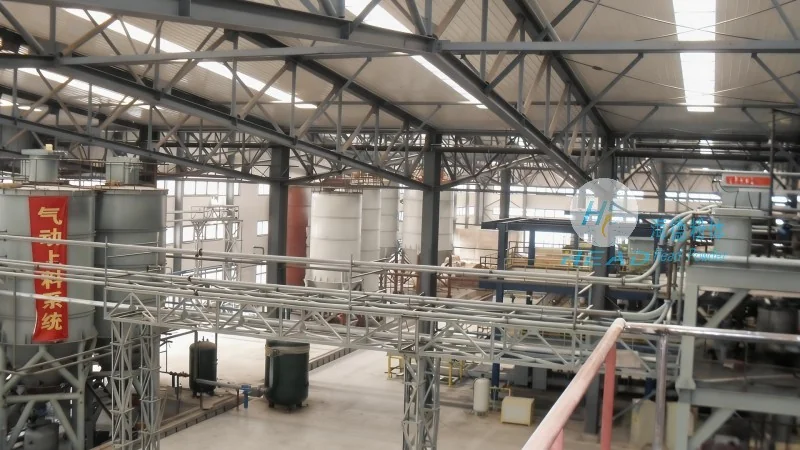
The fundamental principle of multi-hopper pneumatic conveying involves the use of air as the conveying medium. The system typically consists of multiple hoppers, each containing a different material or a portion of the same material. These hoppers are connected to a central pump that generates the necessary pressure to move the material through a pipeline. The design allows for the sequential or simultaneous discharge of materials from the hoppers, enabling precise control over the composition of the conveyed stream. This flexibility is a key advantage, as it allows for the blending of different materials on the fly, which is crucial in processes where product consistency is paramount.
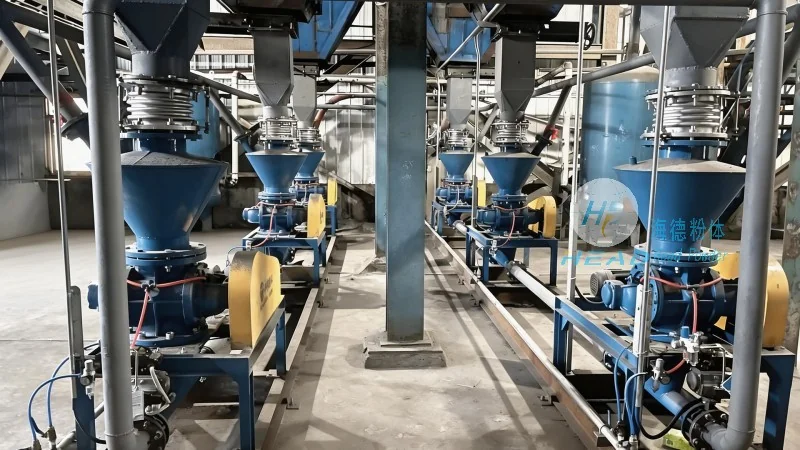
One of the critical components of the multi-hopper system is the pump itself. Unlike traditional vacuum or pressure blowers, the pump in a multi-hopper system is designed to handle high volumes of material and maintain consistent pressure. It operates by drawing material from the hoppers and compressing the air to push the material through the pipeline. The pump's design ensures that it can handle a wide range of particle sizes and densities, from fine powders to larger granules. This adaptability makes the system suitable for diverse industrial applications, including pharmaceuticals, food processing, and chemical processing.
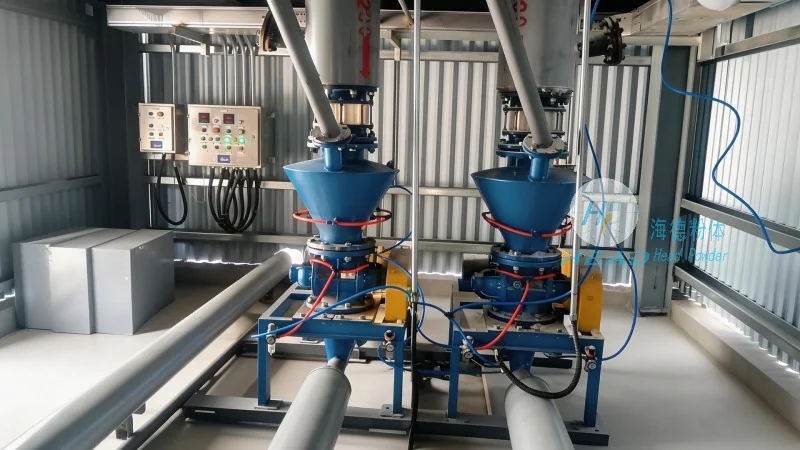
Designing a multi-hopper pneumatic conveying system involves several key considerations. The first is the selection of the appropriate pump type, which depends on the material being conveyed and the required flow rate. The system's layout, including the number and size of hoppers, the length and diameter of the pipeline, and the placement of the receiving hopper, all play a critical role in the overall efficiency and performance. Engineers must also consider factors such as the material's flowability, moisture content, and potential for agglomeration, as these can affect the system's performance and require specific design adjustments. For example, materials with poor flow characteristics may need to be pre-treated or have additional equipment, such as vibrators or agitators, integrated into the system to ensure smooth operation.
The control system is another essential aspect of the multi-hopper design. Modern systems utilize advanced control technology, such as PLCs (Programmable Logic Controllers), to manage the operation of the hoppers, pump, and other components. This allows for precise control over the flow rate, pressure, and material composition, ensuring that the system operates efficiently and safely. The control system can also include features like automatic cleaning cycles, which help maintain the system's performance and reduce downtime. Additionally, the system may include sensors to monitor pressure, flow, and material levels, providing real-time data that can be used to optimize the process and prevent issues before they occur.
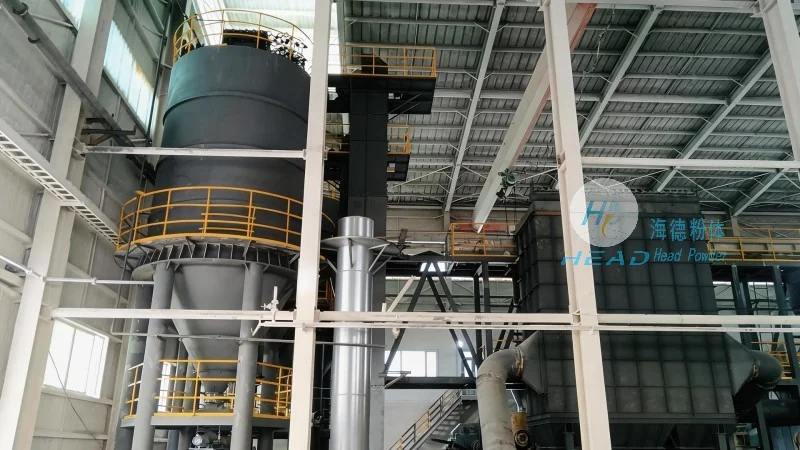
When considering the implementation of a multi-hopper pneumatic conveying system, it is important to work with a reputable engineering company that has expertise in this field. Such companies can provide comprehensive design, installation, and maintenance services. For instance, Shandong HeadPowder Engineering Co., Ltd., a leading provider in China, specializes in the design and manufacturing of pneumatic conveying systems. With a strong focus on quality and customer satisfaction, HeadPowder offers tailored solutions that meet the specific needs of each client. The company's expertise in material handling and pneumatic systems ensures that the systems they design are efficient, reliable, and cost-effective. By partnering with a company like HeadPowder, businesses can benefit from the latest technology and engineering expertise to enhance their material handling processes.
Multi-hopper pneumatic conveying systems offer significant advantages over traditional material handling methods. The ability to handle multiple materials simultaneously and blend them in real-time provides a competitive edge in industries where product consistency and flexibility are critical. The dust-free operation and enclosed system design also contribute to a safer working environment and compliance with environmental regulations. Furthermore, the system's ability to handle a wide range of materials and particle sizes makes it a versatile solution for various industrial applications. As a result, multi-hopper pneumatic conveying has become an essential technology in many industries, enabling businesses to improve their operational efficiency and product quality.