With more than 10‑year industry experience, Shandong Headpowder delivers full‑service pneumatic‑conveying systems and blowers, undertaking nationwide turn‑key powder‑handling projects.
Automatic quantitative powder transport equipment serves as a critical component in modern industrial material handling systems, enabling precise and efficient transfer of bulk powders. Developed by Shandong HeadPowder Engineering Co., Ltd., a leading manufacturer in the field, this equipment integrates advanced technology to meet the demands of diverse industries such as pharmaceuticals, food processing, and chemical manufacturing. The device is engineered to handle a wide spectrum of powders, from fine particles to granules, with high accuracy in dosage and stable performance under varying operating conditions. By delving into its operation process and working principle, users can better leverage the equipment to enhance production efficiency and product quality.
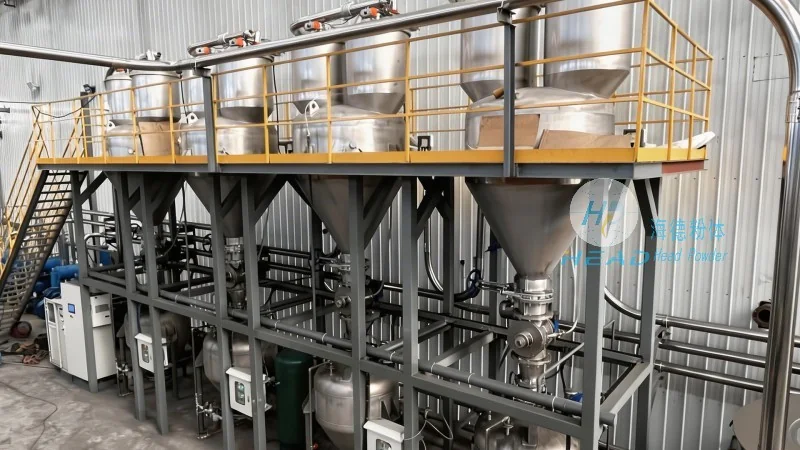
The automatic quantitative powder transport equipment comprises several interdependent components that work in concert to achieve its functions. The primary parts include a powder feeder, a conveyor system, a weighing or dosing unit, a control panel, and a power supply. The powder feeder, typically utilizing a screw or vibratory mechanism, ensures a consistent flow rate of material to the system. The conveyor system—often a belt or screw conveyor—transports the powder from the feeder to the weighing or dosing unit. The weighing or dosing unit is the core of the equipment, where the precise amount of powder is measured and controlled. The control panel, equipped with a user-friendly interface, allows operators to set parameters, monitor the process, and adjust settings as needed. The power supply provides the necessary electrical energy to operate all components. Each component is meticulously designed and manufactured to ensure durability, reliability, and compatibility with different powder types.
The operation process of the automatic quantitative powder transport equipment follows a systematic sequence to ensure accurate and repeatable powder transfer. The process typically begins with the startup sequence, where the control system initializes all components and checks for any faults or malfunctions. Once the system is ready, the operator sets the desired dosage or quantity of powder through the control panel. The powder feeder then activates, feeding the material into the conveyor system at a controlled rate. The conveyor transports the powder to the weighing or dosing unit, where the weight is continuously monitored. When the target weight is reached, the feeder stops, and the conveyor continues to transport the remaining powder to the discharge point. The control system then signals the next batch or the end of the operation cycle. The equipment also incorporates safety features such as overload protection and emergency stop buttons to prevent accidents and ensure operator safety. The entire operation process is automated, reducing the need for manual intervention and minimizing human error, which is critical in industries where precision is paramount.
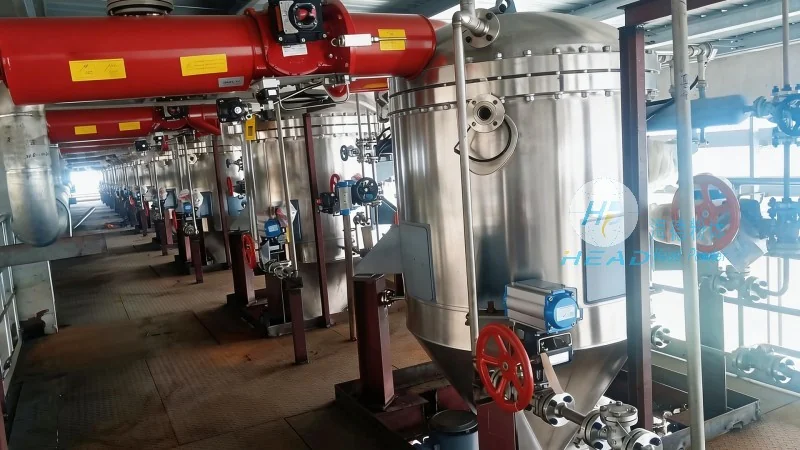
The working principle of the automatic quantitative powder transport equipment is grounded in the integration of mechanical, electrical, and control technologies to achieve precise powder measurement and transfer. The core principle involves the use of a weighing or dosing mechanism that measures the mass of the powder in real-time. This mechanism can be a load cell-based system, where the weight of the powder is converted into an electrical signal, or a volumetric system that measures the volume of the powder and converts it to weight based on its density. The control system processes the electrical signal from the weighing unit and compares it with the set target value. If the actual weight is less than the target, the feeder continues to supply powder; if it exceeds the target, the feeder stops. This feedback loop ensures that the final dosage is accurate and consistent. Additionally, the equipment may incorporate advanced control algorithms, such as PID (Proportional-Integral-Derivative) control, to optimize the feeding rate and improve the stability of the weighing process. The working principle also includes the management of powder flow, where the feeder and conveyor work together to maintain a steady flow rate, preventing clogging or uneven distribution. The combination of these principles allows the equipment to deliver high-precision powder transfer, meeting the stringent requirements of modern industrial applications.
Automatic quantitative powder transport equipment offers several technical advantages that make it a preferred choice in various industries. One of the key advantages is its high accuracy in dosage, typically with a deviation of less than 1% of the set value. This precision is crucial in applications where the quality of the final product depends on the exact amount of powder, such as in pharmaceutical manufacturing or food processing. Another advantage is the equipment's efficiency, as it can operate continuously without frequent stops or adjustments, reducing downtime and increasing production throughput. The system is also designed for durability and reliability, with components made from high-quality materials that can withstand harsh operating conditions and long-term use. Additionally, the equipment is user-friendly, with an intuitive control panel that allows operators to easily set parameters and monitor the process. The integration of safety features, such as overload protection and emergency stop buttons, ensures operator safety and compliance with industrial safety standards. Overall, the technical advantages of this equipment contribute to improved product quality, increased production efficiency, and reduced operational costs for users.
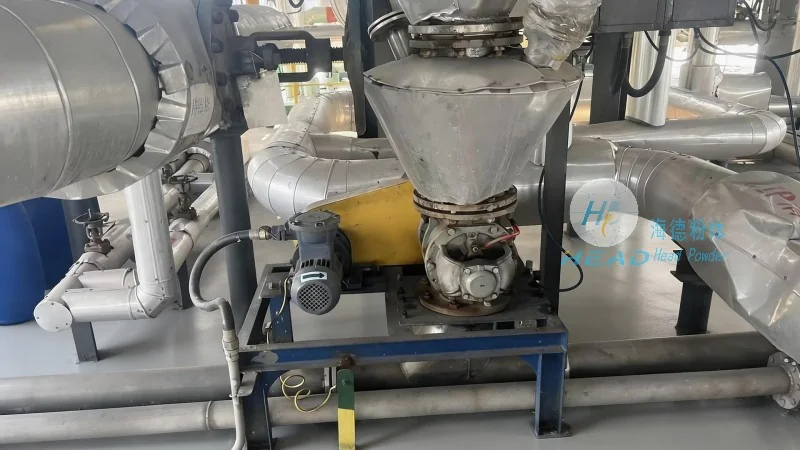
The automatic quantitative powder transport equipment is widely used in various industries due to its versatility and precision. In the pharmaceutical industry, it is used for the accurate dosing of active pharmaceutical ingredients (APIs) and excipients, ensuring consistent drug formulations and meeting regulatory requirements. In the food processing industry, it is employed for the precise measurement of ingredients like sugar, flour, and spices, which is essential for maintaining product quality and consistency. The equipment is also used in the chemical industry for the transfer of chemical powders, such as pigments, catalysts, and reagents, where accurate dosing is critical for reaction efficiency and product purity. Additionally, it is used in the agricultural sector for the application of fertilizers and pesticides, ensuring uniform distribution and optimal results. The equipment's ability to handle different powder types and its high accuracy make it suitable for a wide range of applications, making it a valuable asset for any industrial operation that requires precise powder handling.
Proper maintenance and adherence to safety guidelines are essential for the optimal performance and longevity of the automatic quantitative powder transport equipment. Regular maintenance tasks include cleaning the feeder and conveyor to prevent powder accumulation and clogging, checking the weighing or dosing unit for calibration accuracy, and inspecting the control system for any faults or malfunctions. The equipment should be cleaned regularly, especially after handling different powder types, to prevent cross-contamination and ensure product quality. Calibration of the weighing unit is crucial to maintain accuracy over time, as the load cells may drift due to wear and tear. The control system should be checked for software updates and proper functionality to ensure the equipment operates as intended. Safety considerations include wearing appropriate personal protective equipment (PPE) when operating the equipment, such as gloves and safety glasses, and following all safety protocols, including the use of emergency stop buttons and overload protection features. The equipment should be installed in a well-ventilated area to prevent dust accumulation and ensure operator safety. By following these maintenance and safety guidelines, users can ensure the equipment operates efficiently and safely, maximizing its lifespan and performance.

 Shandong Headpowder Engineering Co., Ltd.
 156-6277-7102(Manager Zhang)
  0531-83386006
  Zhangqiu District, Jinan City, Shandong Province, China
telephone
WeChatconsult
top