With more than 10‑year industry experience, Shandong Headpowder delivers full‑service pneumatic‑conveying systems and blowers, undertaking nationwide turn‑key powder‑handling projects.
Low-pressure continuous pneumatic conveying is a method used in material handling to transport bulk materials through a pipeline using air as the conveying medium. This technology is widely adopted in various industries such as food processing, pharmaceuticals, and chemical manufacturing due to its ability to handle delicate or sensitive materials without causing damage. The system operates by creating a slight negative pressure within the pipeline, which draws the material from the source and moves it to the destination. The design of a low-pressure continuous system involves several key components and principles that ensure efficient and reliable material transport.

At its core, low-pressure continuous pneumatic conveying systems are designed to move bulk materials in a continuous flow rather than in batches. This is achieved by maintaining a consistent pressure differential between the source and destination points. The system typically includes a hopper or feeder that loads the material into the pipeline, a blower or fan that generates the air flow, and a receiver or silo at the end of the line to collect the conveyed material. The continuous nature of this process allows for a steady supply of material, making it suitable for applications where a constant flow is required.
The design of a low-pressure continuous pneumatic conveying system is governed by several fundamental principles that ensure optimal performance. One of the primary principles is the selection of appropriate air velocity and pressure. The air velocity must be high enough to overcome the resistance of the material in the pipeline but not so high as to cause excessive wear on the system components or damage to the material being conveyed. The pressure differential is typically maintained at a low level, often between 0.5 to 2 bar, which reduces energy consumption compared to high-pressure systems. Another critical design principle is the sizing of the pipeline and the choice of material for the components. The pipeline diameter is determined based on the material's flow characteristics and the required conveying rate. The material of construction, such as stainless steel or plastic, is selected to prevent corrosion and ensure compatibility with the conveyed material.
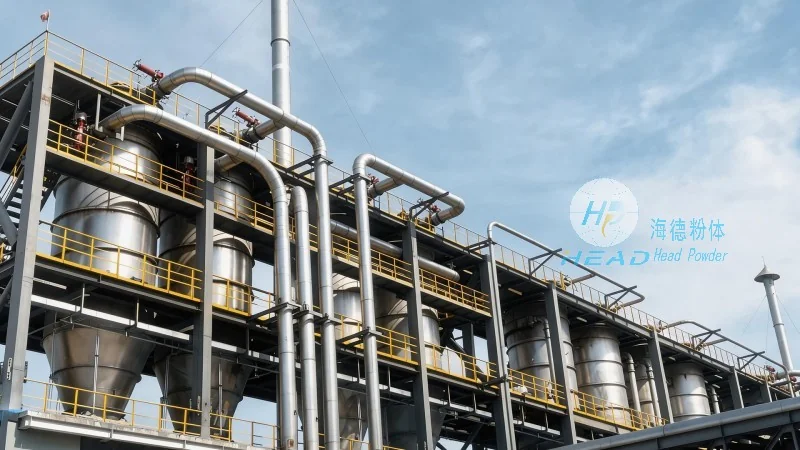
A low-pressure continuous pneumatic conveying system consists of several interconnected components, each playing a vital role in the overall operation. The feeder or hopper is responsible for feeding the material into the pipeline at a controlled rate. This component is designed to prevent material bridging or clogging, which can disrupt the flow. The blower or fan provides the necessary air flow to create the pressure differential. It is typically a centrifugal or axial fan, chosen based on the system's capacity and the material's characteristics. The pipeline itself is a crucial part of the system, as it must be able to withstand the pressure and temperature conditions while maintaining a smooth interior to minimize friction. The receiver or silo at the end of the line collects the conveyed material and can be equipped with a discharge system to transfer the material to the next stage of processing. Additionally, some systems may include filters or cyclones to separate the material from the air and prevent dust from being released into the environment.
Low-pressure continuous pneumatic conveying is used in a wide range of applications across different industries. In the food industry, it is commonly used to transport powders like flour, sugar, and spices, as it maintains the quality and hygiene of the product. In the pharmaceutical industry, it is employed to handle sensitive materials such as powders and granules, ensuring that the product remains sterile and free from contamination. The chemical industry also utilizes this technology to transport various powders and granules, including those that are corrosive or reactive. The benefits of low-pressure continuous systems include their ability to handle delicate materials without damage, their low energy consumption compared to high-pressure systems, and their flexibility in terms of system layout and material handling. Additionally, these systems can be easily integrated into existing production lines, making them a cost-effective solution for many applications.
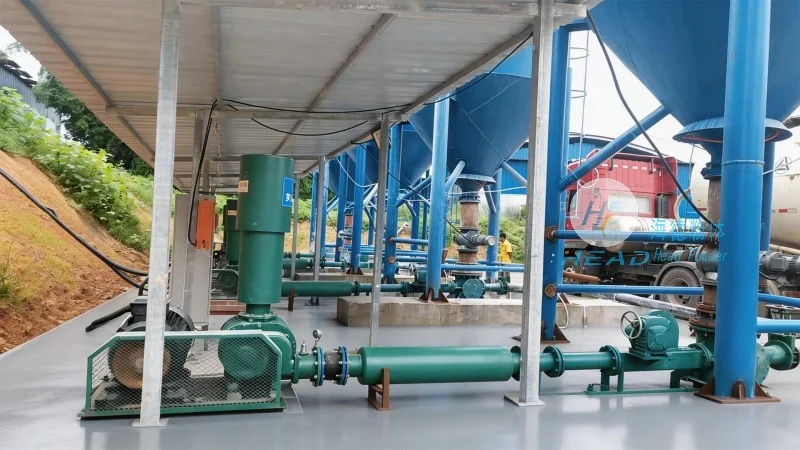
Shandong HeadPowder Engineering Co., Ltd., commonly known as HeadPowder, is a leading provider of pneumatic conveying solutions. The company specializes in the design, manufacturing, and installation of low-pressure continuous pneumatic conveying systems tailored to the specific needs of its clients. With a focus on innovation and quality, HeadPowder has developed advanced technologies to enhance the performance and efficiency of its systems. The company's team of engineers and technicians has extensive experience in the field, ensuring that each project is executed with precision and expertise. HeadPowder's systems are designed to meet the highest standards of safety and reliability, providing long-term value to its customers. The company's commitment to customer satisfaction and technical excellence has made it a trusted partner in the industry for many years.
Low-pressure continuous pneumatic conveying is a versatile and efficient method for handling bulk materials, and its design principles are critical to its successful implementation. By understanding the key components and principles of these systems, industries can optimize their material handling processes and improve overall productivity. Shandong HeadPowder Engineering Co., Ltd. offers advanced solutions in this field, providing reliable and effective pneumatic conveying systems that meet the diverse needs of its clients. Whether for food processing, pharmaceuticals, or chemicals, HeadPowder's expertise ensures that businesses can achieve their material handling goals with confidence and efficiency.

 Shandong Headpowder Engineering Co., Ltd.
 156-6277-7102(Manager Zhang)
  0531-83386006
  Zhangqiu District, Jinan City, Shandong Province, China
telephone
WeChatconsult
top