With more than 10‑year industry experience, Shandong Headpowder delivers full‑service pneumatic‑conveying systems and blowers, undertaking nationwide turn‑key powder‑handling projects.
Understanding the fundamentals of pneumatic ash removal is crucial for maintaining efficient and reliable operations in industrial facilities, particularly those involved in power generation, cement production, and other processes that generate large volumes of ash. This article delves into the core concepts of pneumatic ash removal, exploring what it entails and the underlying design principles that govern its effective implementation.
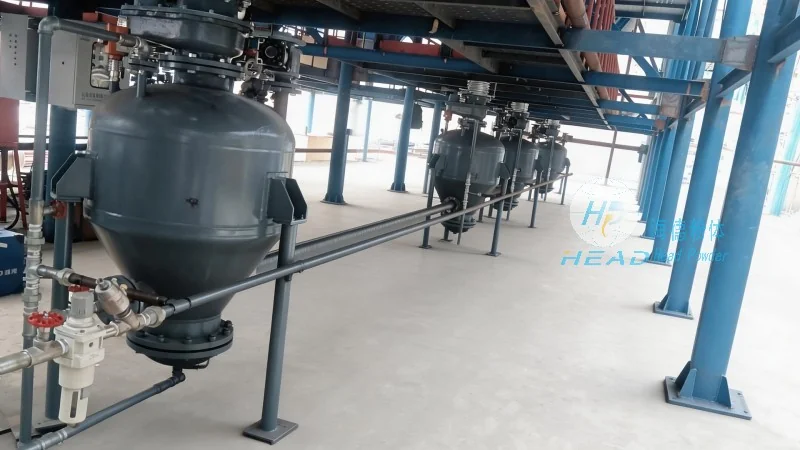
Pneumatic ash removal, also known as pneumatic conveying or pneumatic ash handling, refers to the process of transporting solid waste materials, such as fly ash, bottom ash, and other byproducts, using a pressurized air or gas stream. Unlike traditional mechanical systems that rely on gravity or mechanical components like conveyors and buckets, pneumatic systems utilize the force of air to move materials through pipelines. This method offers several advantages, including flexibility in layout, reduced maintenance requirements, and the ability to handle materials over long distances with minimal disruption to the surrounding environment.
A typical pneumatic ash removal system consists of several key components that work in concert to ensure efficient material transport. These components include the ash collection hopper or silo, the air compressor or blower unit, the conveying pipeline network, and the discharge or collection equipment at the receiving end. Each component plays a critical role in the overall operation, and their design and integration are essential for optimal performance.
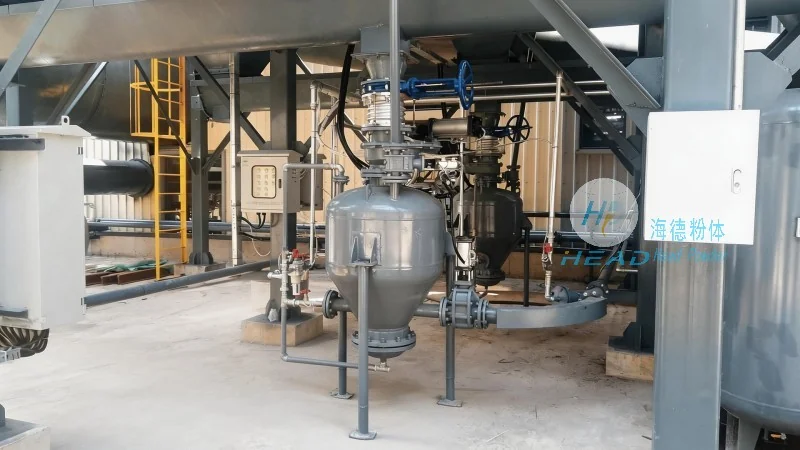
The design of a pneumatic ash removal system is governed by several fundamental principles aimed at maximizing efficiency, minimizing energy consumption, and ensuring long-term reliability. Key design considerations include the selection of appropriate air velocities, the sizing of pipelines and equipment, and the management of material properties such as particle size, density, and moisture content. Engineers must carefully calculate the required air pressure and flow rates to achieve the desired conveying capacity while avoiding issues like blockages or excessive energy use.
Compared to traditional mechanical ash handling methods, pneumatic systems offer several distinct advantages that make them a preferred choice for many industrial applications. These benefits include reduced space requirements, as the system can be installed in compact areas due to the use of pipelines instead of large machinery. Additionally, pneumatic systems are less prone to material buildup and corrosion, as the air stream helps to keep the system clean and the materials in motion. Another significant advantage is the ability to handle a wide range of ash types and particle sizes, making the system versatile for various industrial processes.
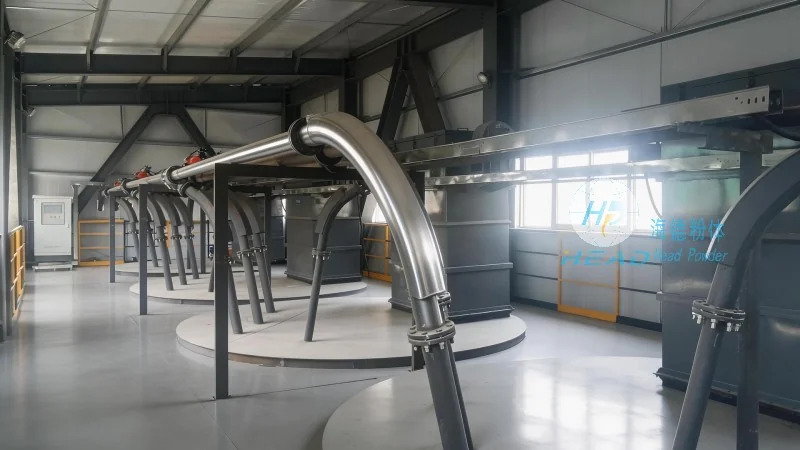
Pneumatic ash removal systems are widely used in various industrial sectors, with power plants and cement factories being the most common applications. In power plants, these systems are employed to transport fly ash from the boiler to the storage silos or for further processing. In cement plants, they help manage the large volumes of raw materials and byproducts generated during the production process. The flexibility of pneumatic systems allows them to be adapted to different plant layouts and operational requirements, ensuring that they can be integrated seamlessly into existing infrastructure.
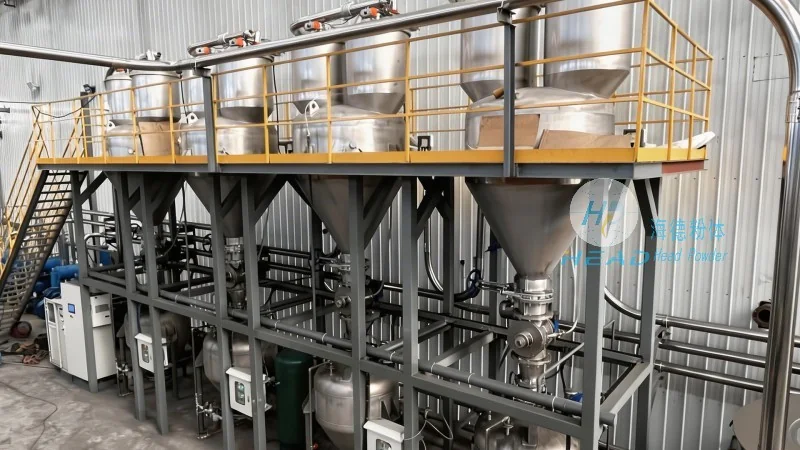
When designing and implementing a pneumatic ash removal system, several factors must be taken into account to ensure optimal performance and longevity. These considerations include the selection of appropriate materials for the pipelines and equipment to withstand the corrosive nature of ash and the high temperatures involved. Proper maintenance is also critical, as regular inspections and cleaning of the system can prevent blockages and ensure consistent operation. Additionally, the system must be designed to handle variations in ash flow rates and particle characteristics, which can change over time due to operational adjustments or changes in raw material sources.
Pneumatic ash removal is a sophisticated and efficient method for handling industrial ash, offering significant advantages over traditional mechanical systems. By understanding the core principles and components of these systems, industrial facilities can make informed decisions about implementing or upgrading their ash handling infrastructure. With careful design and implementation, pneumatic ash removal systems can provide reliable, low-maintenance operation, contributing to the overall efficiency and sustainability of industrial processes.

 Shandong Headpowder Engineering Co., Ltd.
 156-6277-7102(Manager Zhang)
  0531-83386006
  Zhangqiu District, Jinan City, Shandong Province, China
telephone
WeChatconsult
top