With more than 10‑year industry experience, Shandong Headpowder delivers full‑service pneumatic‑conveying systems and blowers, undertaking nationwide turn‑key powder‑handling projects.
Shandong HeadPowder Engineering Co., Ltd., a leading enterprise in the field of material handling solutions, specializes in the design, manufacturing, and implementation of advanced pneumatic conveying systems. The company, commonly known as HeadPowder, is headquartered in Shandong, China, and has established a strong reputation for delivering efficient and reliable systems tailored to the unique requirements of various industrial applications, including the handling of graphite lumps.
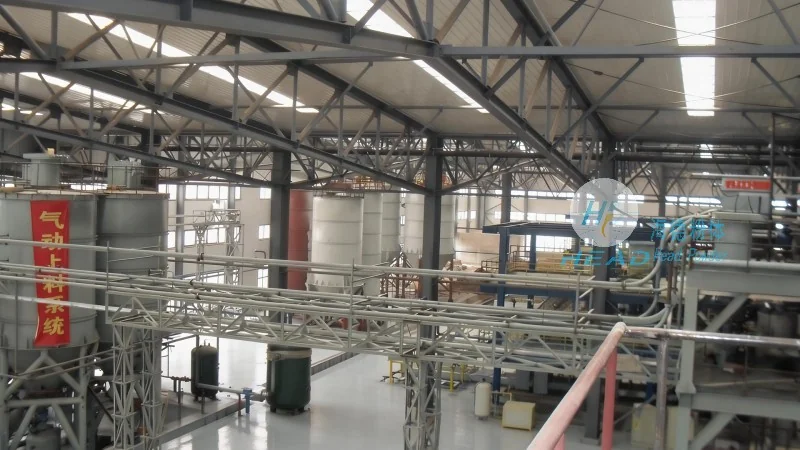
A pneumatic conveying system is a method of transporting bulk materials, such as graphite lumps, through a pipeline using air or gas as the conveying medium. This technology offers significant advantages over traditional mechanical conveying methods, including reduced equipment wear, lower maintenance costs, and improved safety by eliminating the need for moving parts in the material path. For graphite lumps, which are often used in refractory materials, battery anodes, and other high-value applications, the efficiency and precision of pneumatic conveying are critical to maintaining product quality and operational productivity.
The operation of a graphite lumps pneumatic conveying system involves several key components that work in concert to ensure smooth and effective material transport. These components typically include a material feeder, a conveying line (often made of stainless steel or other corrosion-resistant materials to accommodate the chemical properties of graphite), a pressure or vacuum source (such as a blower or vacuum pump), and a control system. The material feeder is responsible for feeding the graphite lumps into the conveying line at a controlled rate, preventing blockages and ensuring consistent flow. The conveying line is designed with appropriate bends and valves to direct the material to the desired destination, such as a storage silo, processing unit, or packaging area. The pressure or vacuum source generates the necessary force to move the material through the pipeline, while the control system monitors and adjusts the system parameters to maintain optimal performance.
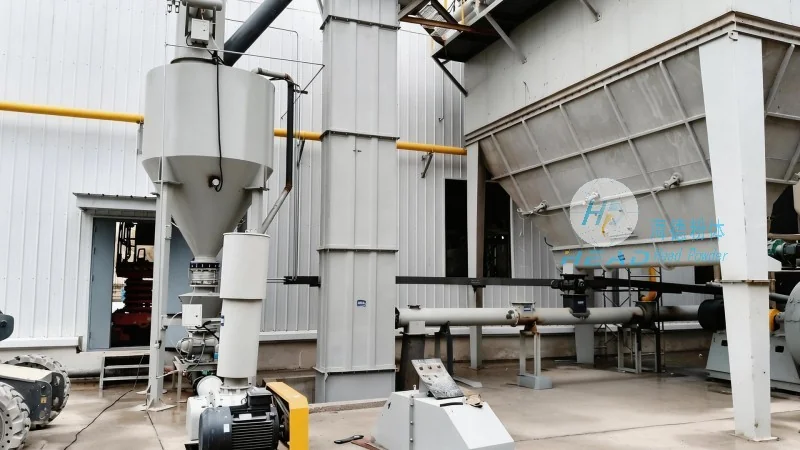
The operation of the graphite lumps pneumatic conveying system follows a systematic process that ensures reliable and continuous material transport. The process begins with the loading of graphite lumps into the material hopper or storage silo. From there, the material is fed into the conveying line via the feeder, which meters the material at a rate that matches the system's capacity. The blower or vacuum pump then generates the required air pressure or vacuum to propel the graphite lumps through the pipeline. As the material travels through the pipeline, it is mixed with the air stream, creating a dense phase or dilute phase flow, depending on the system design and material characteristics. The system's control panel continuously monitors parameters such as pressure, flow rate, and temperature to ensure that the conveying process is running smoothly. Upon reaching the destination, the graphite lumps are discharged into the receiving vessel, and the air is filtered and recycled back into the system to minimize waste and environmental impact.
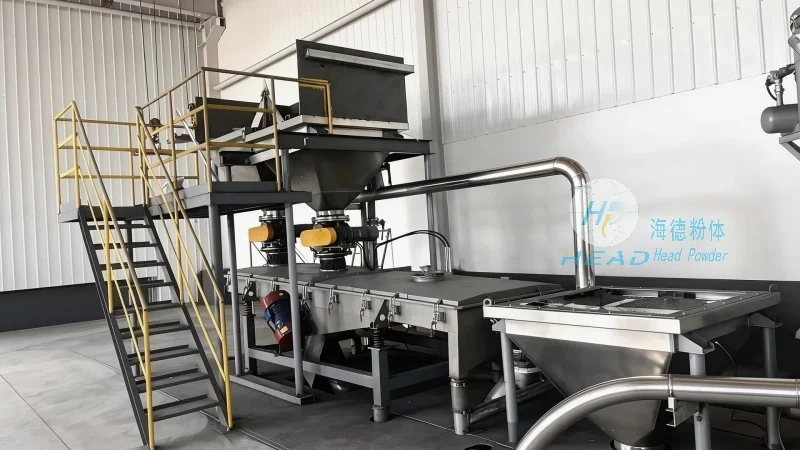
The working principle of the graphite lumps pneumatic conveying system is based on the fundamental physics of fluid dynamics and particle transport. In a pressure conveying system, the blower generates high-pressure air that pushes the graphite lumps through the pipeline. The air velocity is maintained above the material's terminal velocity to prevent settling and ensure continuous movement. The system's design, including the diameter of the conveying line and the angle of the bends, is optimized to minimize pressure loss and maintain efficient flow. In a vacuum conveying system, the vacuum pump creates a low-pressure environment that draws the graphite lumps into the pipeline. This method is particularly effective for handling materials that are difficult to feed or require gentle handling, as the low pressure reduces the risk of material degradation or damage. The system's control system continuously adjusts the pressure or vacuum levels to maintain the optimal conveying conditions, ensuring that the graphite lumps are transported safely and efficiently.
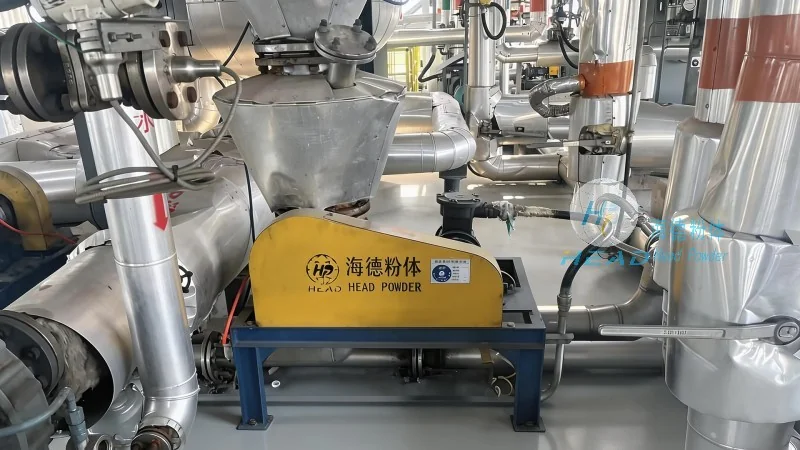
The graphite lumps pneumatic conveying system offers several advantages that make it an ideal choice for industrial applications. These advantages include high conveying efficiency, which allows for the transport of large quantities of material over long distances with minimal energy consumption. The system also provides excellent control over the material flow, ensuring consistent product quality and reducing the risk of contamination or mixing with other materials. Additionally, the system is compact and can be integrated into existing facilities, making it a cost-effective solution for upgrading or expanding material handling capabilities. The applications of this system are diverse and include the handling of graphite lumps in the production of refractory bricks, battery anodes, and other graphite-based products. The system's ability to handle abrasive materials like graphite lumps without causing excessive wear or damage to the equipment makes it a preferred choice for many manufacturers.
Shandong HeadPowder Engineering Co., Ltd. provides comprehensive solutions for the operation and implementation of graphite lumps pneumatic conveying systems. By leveraging advanced technology and expertise, the company ensures that its systems meet the highest standards of efficiency, reliability, and safety. The operation process and working principle of these systems are designed to optimize material transport while minimizing operational costs and environmental impact. For industries relying on graphite lumps for their production processes, the graphite lumps pneumatic conveying system is a critical component in maintaining productivity and product quality.

 Shandong Headpowder Engineering Co., Ltd.
 156-6277-7102(Manager Zhang)
  0531-83386006
  Zhangqiu District, Jinan City, Shandong Province, China
telephone
WeChatconsult
top