With more than 10‑year industry experience, Shandong Headpowder delivers full‑service pneumatic‑conveying systems and blowers, undertaking nationwide turn‑key powder‑handling projects.
Wheat pneumatic conveying systems are critical components in modern grain handling and processing facilities. These systems efficiently transport wheat and other bulk materials through a network of pipes using air pressure or vacuum. The technology has revolutionized the agricultural and food processing industries by offering a fast, clean, and low-maintenance method for material movement compared to traditional mechanical conveyors. As a leading provider in the field, Shandong HeadPowder Engineering Co., Ltd. specializes in designing, manufacturing, and installing advanced pneumatic conveying solutions tailored to the specific needs of wheat processing operations.
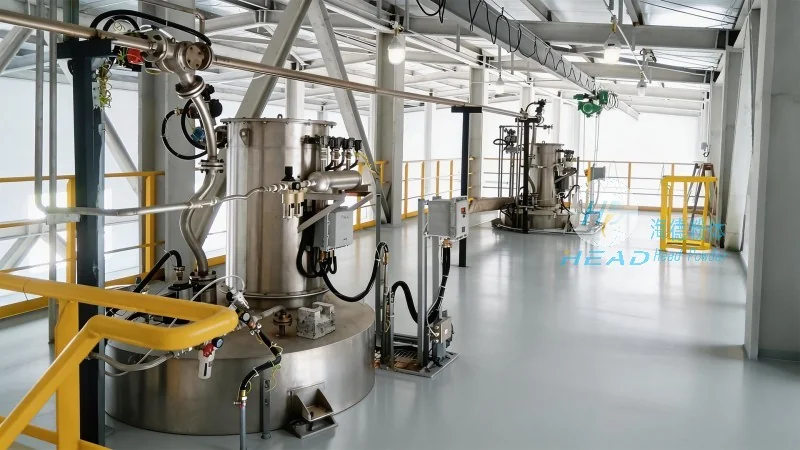
HeadPowder, the abbreviation for Shandong HeadPowder Engineering Co., Ltd., is a reputable enterprise based in Shandong, China. With years of experience in the engineering and manufacturing of pneumatic conveying equipment, the company has established itself as a trusted partner for businesses seeking reliable and efficient grain handling solutions. HeadPowder's commitment to quality, innovation, and customer satisfaction has enabled it to serve a wide range of clients in the agricultural and food processing sectors, providing tailored systems that enhance operational efficiency and reduce costs.
The core of a wheat pneumatic conveying system consists of several key components that work in tandem to move wheat from one location to another. The primary elements include a hopper for material storage, a feeder to control the flow rate, a conveying line (typically made of stainless steel or other corrosion-resistant materials), and a receiver to collect the material at the destination. The system operates by creating a pressure differential within the pipe network. In pressure systems, air is forced through the pipe, carrying the wheat particles forward. In vacuum systems, a vacuum is created at the receiving end, drawing the material through the pipe. The choice between pressure and vacuum depends on factors such as the distance to be covered, the material's characteristics, and the desired flow rate.
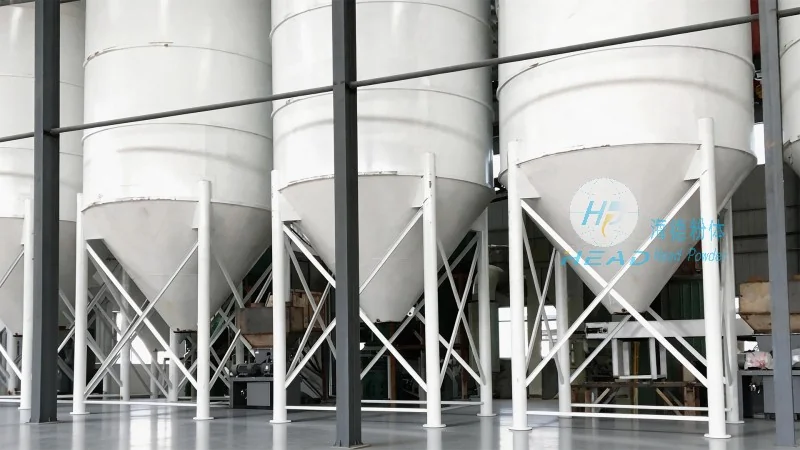
The operation of a wheat pneumatic conveying system involves a series of steps that ensure smooth and continuous material transport. Initially, wheat is stored in a hopper, where it is held until needed. The feeder then regulates the flow of wheat into the conveying line, controlling the amount of material that enters the system. As the wheat enters the pipe, it is entrained by the air flow, which propels it through the network. The conveying line may include bends, expansions, and other components to navigate the path from the source to the destination. At the receiving end, the wheat is deposited into a receiver, where it is collected and prepared for further processing or storage. The system's control system monitors pressure, flow rate, and other parameters to maintain optimal performance and prevent issues such as blockages or excessive pressure.
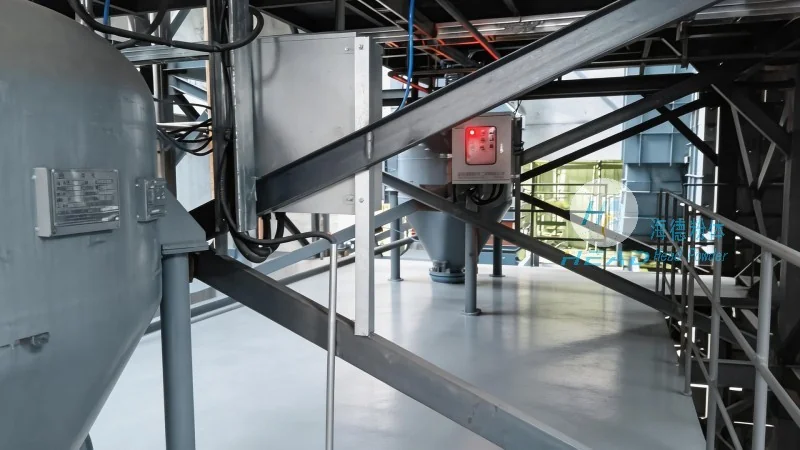
Compared to traditional mechanical conveyors, wheat pneumatic conveying systems offer several advantages that make them a preferred choice for many industries. One of the most significant benefits is the ability to transport materials over long distances without the need for multiple transfer points. This reduces the risk of material spillage and contamination, as the entire process is contained within a sealed system. Additionally, pneumatic conveying systems are more hygienic and easier to clean, which is crucial in food processing applications where sanitation is a top priority. The systems also require less maintenance, as there are fewer moving parts compared to mechanical conveyors, leading to lower operational costs and increased uptime. Furthermore, the flexibility of pneumatic systems allows for easy integration with other processing equipment, enabling seamless workflow in grain handling facilities.
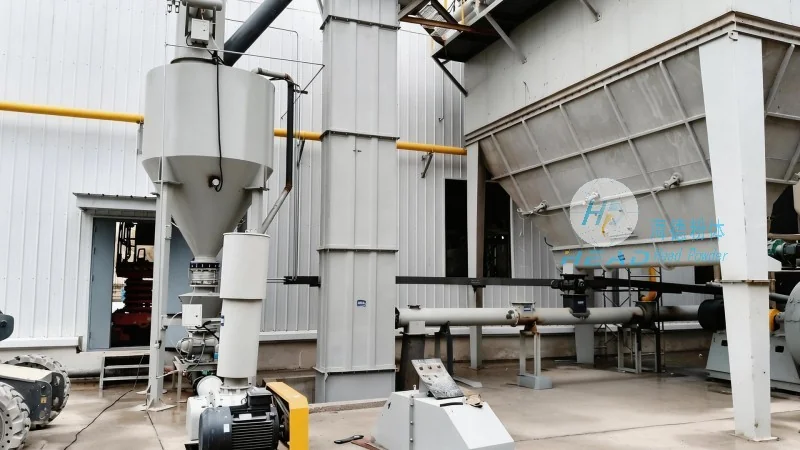
Wheat pneumatic conveying systems are widely used in various stages of wheat processing, from storage and handling to milling and packaging. In storage facilities, these systems efficiently move wheat from silos to processing plants, ensuring a steady supply of raw material. During milling, pneumatic conveyors transport wheat from the cleaning and conditioning stages to the grinding and sifting equipment. This continuous flow helps maintain production efficiency and reduces downtime. In packaging operations, the systems deliver wheat to packaging lines, where it is filled into bags or containers. The ability to handle large volumes of wheat quickly and reliably makes pneumatic conveying an essential component of modern wheat processing facilities.
Wheat pneumatic conveying systems, as exemplified by the solutions offered by Shandong HeadPowder Engineering Co., Ltd., represent a sophisticated and efficient method for handling bulk materials in the agricultural and food processing industries. By leveraging the principles of air pressure and vacuum, these systems provide a clean, low-maintenance, and cost-effective solution for transporting wheat and other grains. The technology continues to evolve, with advancements in materials, control systems, and system design enhancing performance and reliability. For businesses in the wheat processing sector, investing in a well-designed pneumatic conveying system is a strategic move that can significantly improve operational efficiency, product quality, and overall profitability.

 Shandong Headpowder Engineering Co., Ltd.
 156-6277-7102(Manager Zhang)
  0531-83386006
  Zhangqiu District, Jinan City, Shandong Province, China
telephone
WeChatconsult
top