With more than 10‑year industry experience, Shandong Headpowder delivers full‑service pneumatic‑conveying systems and blowers, undertaking nationwide turn‑key powder‑handling projects.
Iron chip pneumatic conveying equipment is a specialized system designed to transport iron chips and similar bulk materials through a pipeline using compressed air. This technology offers an efficient and flexible solution for material handling in various industrial applications, particularly in manufacturing and processing sectors where iron chips are a common byproduct or raw material. The core principle involves creating a pressure differential that propels the material through the system, ensuring reliable and continuous transport without the need for mechanical components like belts or buckets.
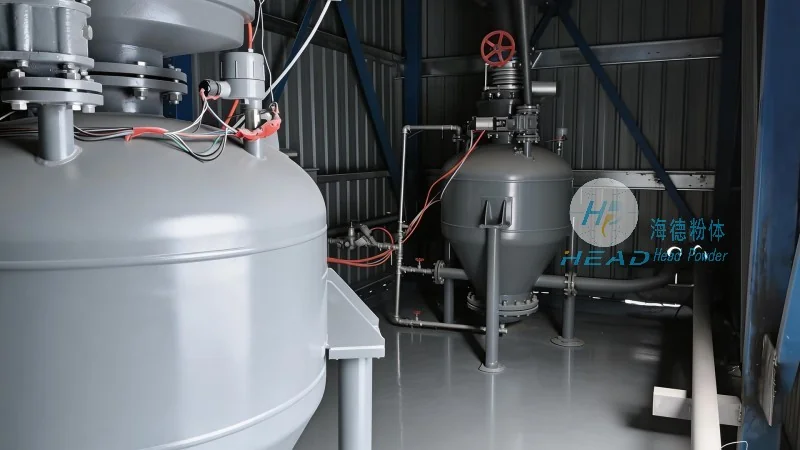
The iron chip pneumatic conveying system consists of several critical components that work in tandem to achieve effective material transport. The primary components include a material hopper or feeder, which holds the iron chips and controls the flow rate; a blower or air compressor that generates the necessary air pressure; a pipeline network that conveys the material from the source to the destination; and a receiver or discharge unit where the material is collected. Additionally, the system may incorporate accessories such as filters to remove dust and moisture, check valves to prevent backflow, and pressure regulators to maintain consistent air pressure throughout the operation.
The operation of the iron chip pneumatic conveying equipment is based on the fundamental principle of fluid dynamics. When the blower starts, it draws air from the environment and forces it through the pipeline at a high velocity. Simultaneously, iron chips are introduced into the system, typically via a hopper equipped with a rotary valve or gate valve. The air flow, now mixed with the iron chips, creates a slurry-like mixture that is propelled through the pipeline. The pressure differential between the inlet and outlet of the system ensures that the material moves continuously toward the receiver. As the mixture travels, the air and material separate at the discharge point, with the air being filtered and recirculated, while the iron chips are collected in the receiver.
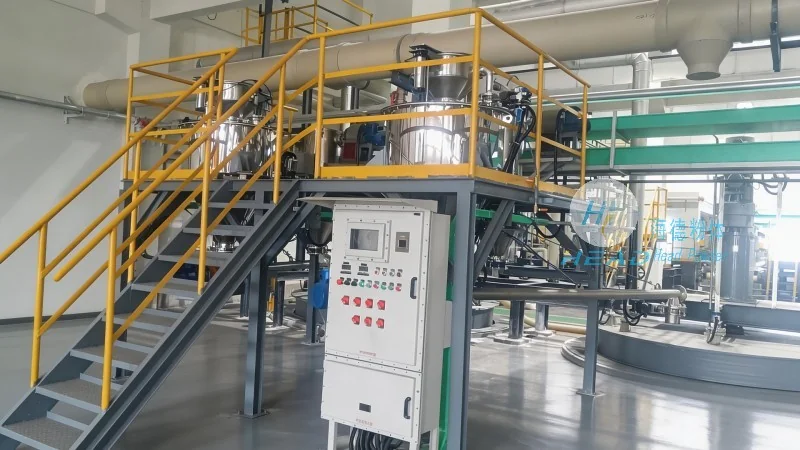
Compared to traditional mechanical conveying methods, pneumatic conveying offers several advantages for handling iron chips. Firstly, it eliminates the need for moving parts such as conveyor belts or buckets, reducing maintenance costs and increasing operational reliability. Secondly, the system can handle materials with varying particle sizes and moisture content, making it versatile for different applications. Thirdly, pneumatic conveying is more hygienic and dust-free, which is crucial in industries where material contamination must be minimized. Additionally, the system can be easily integrated with other processing equipment, allowing for seamless material flow from production to storage or further processing stages. The flexibility of the pipeline layout also enables the system to be adapted to different facility layouts without major structural changes.
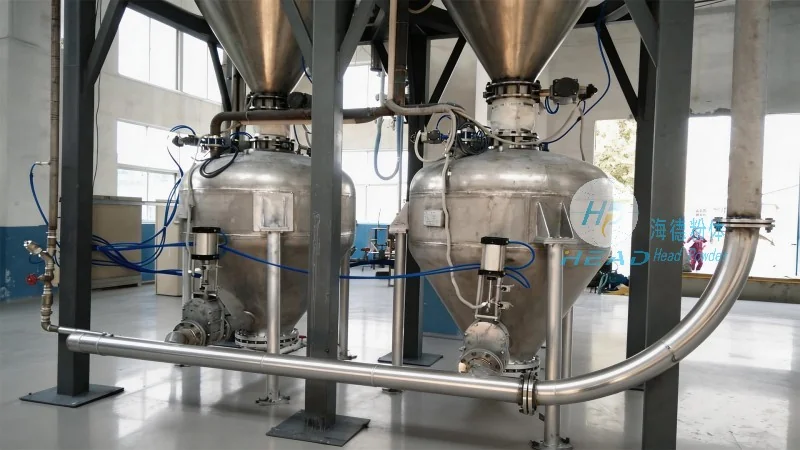
The iron chip pneumatic conveying equipment is widely used in various industrial settings where iron chips are generated or processed. In metalworking and machining operations, for example, the equipment efficiently transports iron chips from the machining centers to collection bins or waste processing units. In foundries, it helps move iron chips from the casting process to recycling or reprocessing facilities. Additionally, in recycling plants, the system can convey iron chips from sorting lines to storage or shipping containers. The adaptability of the pneumatic conveying system makes it suitable for both small-scale and large-scale operations, ensuring efficient material handling regardless of the production volume.
Proper installation and regular maintenance are essential to ensure the optimal performance and longevity of the iron chip pneumatic conveying equipment. During installation, the pipeline layout should be carefully planned to minimize bends and changes in direction, as excessive bends can cause material blockages or increased air resistance. The system should also be equipped with appropriate filters to prevent dust accumulation and maintain air quality. Regular maintenance tasks include checking the blower performance, inspecting the pipeline for leaks or damage, and cleaning the filters and receivers to remove accumulated material. By adhering to a regular maintenance schedule, the system can operate efficiently, reducing downtime and extending its service life.

 Shandong Headpowder Engineering Co., Ltd.
 156-6277-7102(Manager Zhang)
  0531-83386006
  Zhangqiu District, Jinan City, Shandong Province, China
telephone
WeChatconsult
top