With more than 10‑year industry experience, Shandong Headpowder delivers full‑service pneumatic‑conveying systems and blowers, undertaking nationwide turn‑key powder‑handling projects.
Phosphorus pentoxide (P₂O₅) is a highly reactive and hygroscopic chemical compound widely used in various industrial applications, including chemical synthesis, catalyst production, and as a desiccant. The efficient and safe handling of P₂O₅ is crucial due to its hazardous nature and the need for precise material transport. Pneumatic conveying systems have emerged as a preferred method for transporting P₂O₅ due to their ability to handle fine powders without direct contact with mechanical components, minimizing contamination and ensuring product integrity.
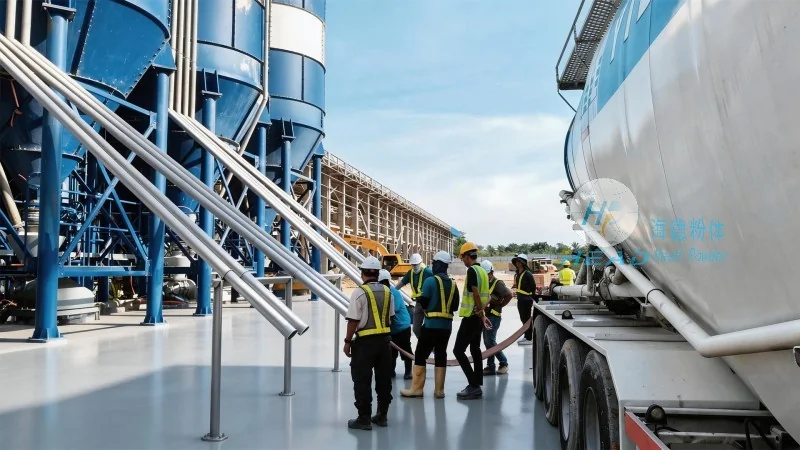
Pneumatic conveying equipment designed for phosphorus pentoxide operations typically consists of several key components that work in tandem to ensure reliable material transport. These systems are engineered to handle the unique properties of P₂O₅, such as its high reactivity and tendency to form dust clouds, by incorporating specialized features that enhance safety and efficiency.
The core structure of the phosphorus pentoxide pneumatic conveying system includes a hopper for material storage, a rotary valve or feeder to control the flow of P₂O₅ into the conveying line, a pipeline system that transports the material, and a receiver or discharge unit where the material is deposited. Each component is designed with materials that are resistant to corrosion and chemical attack, as P₂O₅ can react with metals and other materials, causing degradation over time.
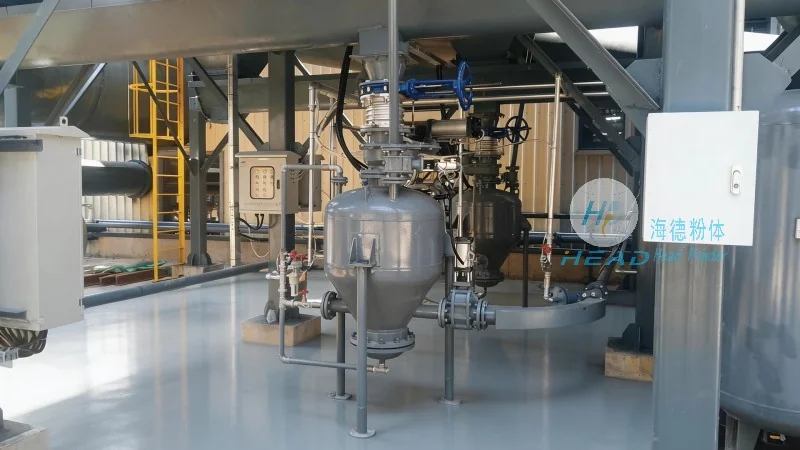
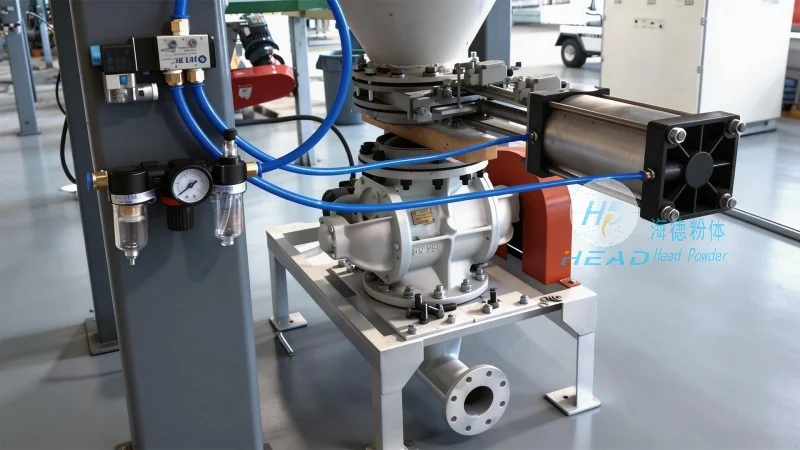
The hopper is usually made of stainless steel or other corrosion-resistant alloys to prevent the chemical interaction with P₂O₅. It is equipped with a venting system to manage the release of moisture and gases, which is critical for maintaining the purity of the material. The rotary valve or feeder is a critical component that regulates the flow rate of P₂O₅ into the conveying line, ensuring consistent and controlled material delivery. This component is often equipped with a seal mechanism to prevent dust leakage and maintain airtight operation.
The operation of the phosphorus pentoxide pneumatic conveying system is based on the principle of air movement to transport the powder. The system uses a blower or compressor to generate a flow of air that is directed into the pipeline. As the air flows through the pipeline, it picks up the P₂O₅ particles from the hopper and carries them to the discharge point. The velocity of the air is carefully controlled to ensure that the particles are suspended in the air stream without settling or causing blockages. The system may also include a filter or cyclone separator at the discharge end to remove any residual particles from the air, ensuring that the material is delivered in a clean and controlled manner.
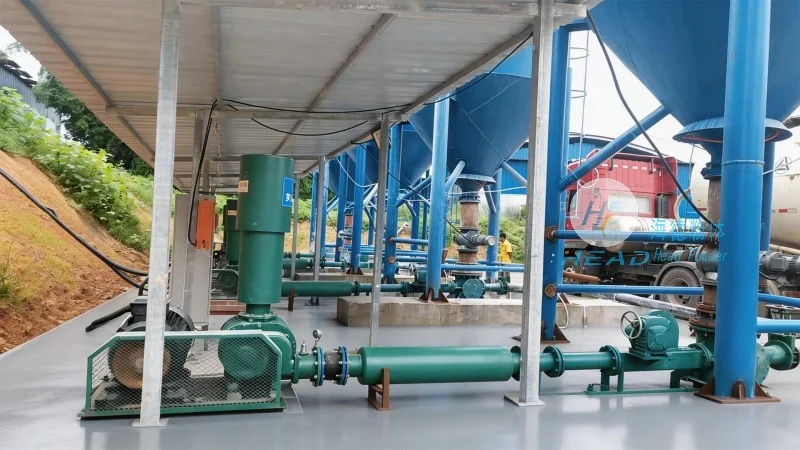
Compared to traditional mechanical conveying methods, pneumatic conveying offers several advantages for handling phosphorus pentoxide. These include the ability to transport fine powders without the need for mechanical components that can cause contamination or wear. The system also provides better control over the flow rate and direction of the material, reducing the risk of spills or accidents. Additionally, pneumatic conveying systems can be designed to operate in a closed loop, minimizing the exposure of personnel to the hazardous P₂O₅ dust and improving overall safety in the workplace.
Shandong HeadPowder Engineering Co., Ltd., operating under the brand name headpowder, is a leading manufacturer of specialized pneumatic conveying equipment for handling hazardous and fine powders. With a focus on innovation and quality, the company has developed advanced systems tailored to the unique requirements of industries dealing with phosphorus pentoxide and other reactive chemicals. HeadPowder's expertise lies in designing equipment that ensures safe, efficient, and reliable material transport while adhering to strict safety standards and regulatory requirements.
The company's facilities are located in Shandong, China, where it leverages local manufacturing capabilities and technical expertise to produce high-quality conveying systems. HeadPowder's commitment to customer satisfaction and product excellence has made it a trusted partner for businesses in the chemical and industrial sectors, providing solutions that meet the evolving needs of the industry.

 Shandong Headpowder Engineering Co., Ltd.
 156-6277-7102(Manager Zhang)
  0531-83386006
  Zhangqiu District, Jinan City, Shandong Province, China
telephone
WeChatconsult
top