

Introduction to Potato Pneumatic Conveying Equipment and Its Structural Principles
HeadPowder Engineering Co., Ltd. specializes in the design, manufacturing, and supply of advanced pneumatic conveying systems tailored for the agricultural and food processing industries. This article provides a comprehensive overview of potato pneumatic conveying equipment, detailing its structural components and operational principles to help users understand its functionality and benefits.
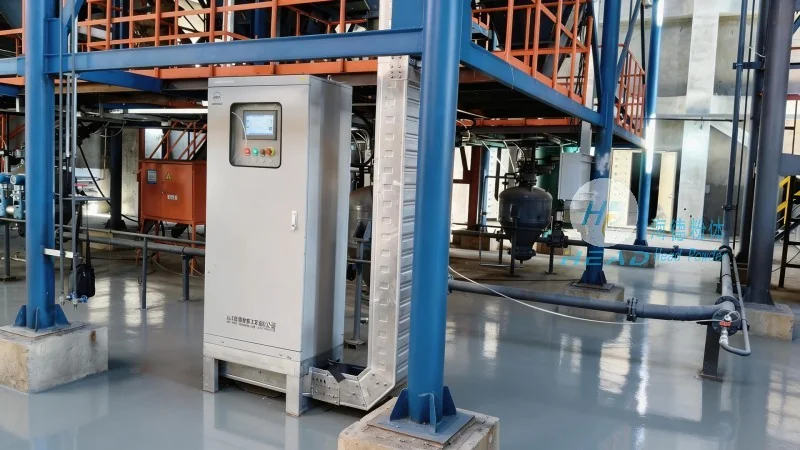
About HeadPowder Engineering Co., Ltd.
HeadPowder is a leading manufacturer based in Shandong, China. With a strong commitment to innovation and quality, the company has established itself as a trusted partner in the development of efficient and reliable conveying solutions. The company's facilities are equipped with state-of-the-art technology and skilled professionals who ensure that every product meets the highest industry standards.
Key Features of Potato Pneumatic Conveying Equipment
The potato pneumatic conveying system is engineered to handle the unique characteristics of potatoes, such as their size, moisture content, and susceptibility to bruising. The equipment is designed to minimize product damage while maximizing throughput. Key features include:
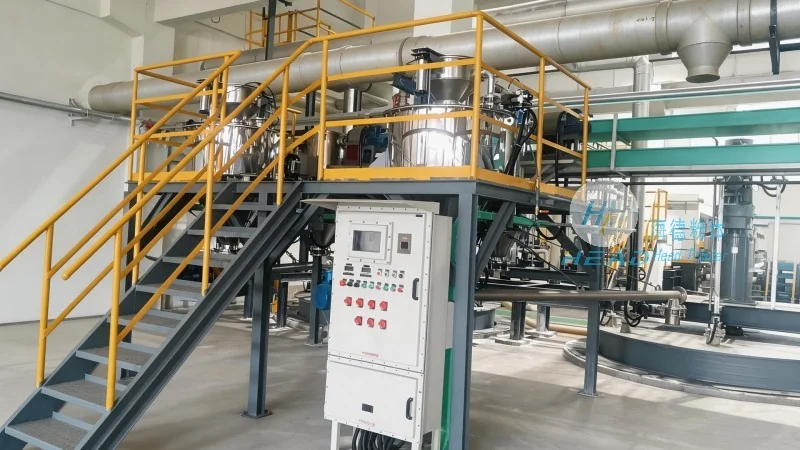
- High-capacity airlock feeders that ensure consistent material flow.
- Flexible hose or pipe systems that allow for easy installation and reconfiguration.
- Advanced control systems that optimize air pressure and flow rates for energy efficiency.
- Corrosion-resistant materials that withstand the acidic environment of potatoes and cleaning agents.
Structural Components and Operational Principles
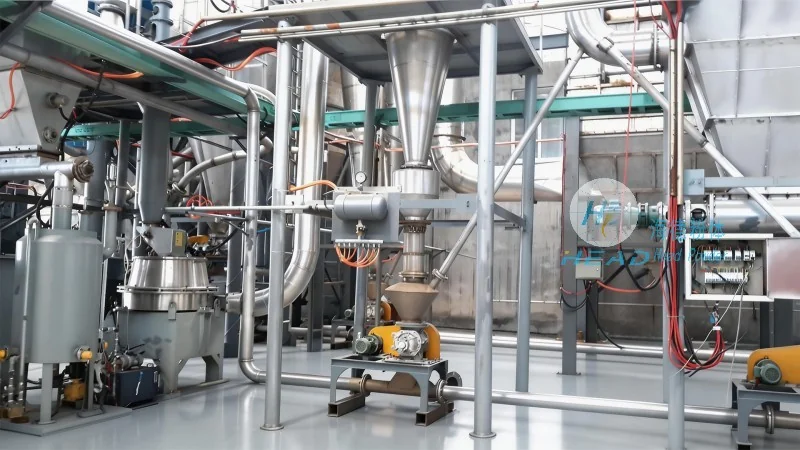
The potato pneumatic conveying system consists of several critical components that work in tandem to transport potatoes efficiently. The main structural elements include:
- Air Supply Unit: Provides the necessary air pressure to create a vacuum or pressure differential for material movement.
- Feed Hopper: Holds the raw potatoes and feeds them into the conveying line.
- Airlock Feeder: Prevents air leakage and ensures a controlled discharge of potatoes into the conveying system.
- Conveying Pipe: Transports the potatoes through the system using air pressure.
- Receiver Tank: Collects the potatoes at the end of the conveying line.
- Control Panel: Monitors and regulates the system's operation for optimal performance.
The operational principle of the system is based on the Bernoulli effect, where air is introduced into the conveying pipe, creating a low-pressure zone that draws the potatoes into the system. The air flow carries the potatoes through the pipe to the receiver tank. This method eliminates the need for mechanical components like belts or chains, reducing maintenance and increasing product safety.
Benefits of Using Potato Pneumatic Conveying Equipment
Implementing a potato pneumatic conveying system offers several advantages for agricultural and processing operations. These include:
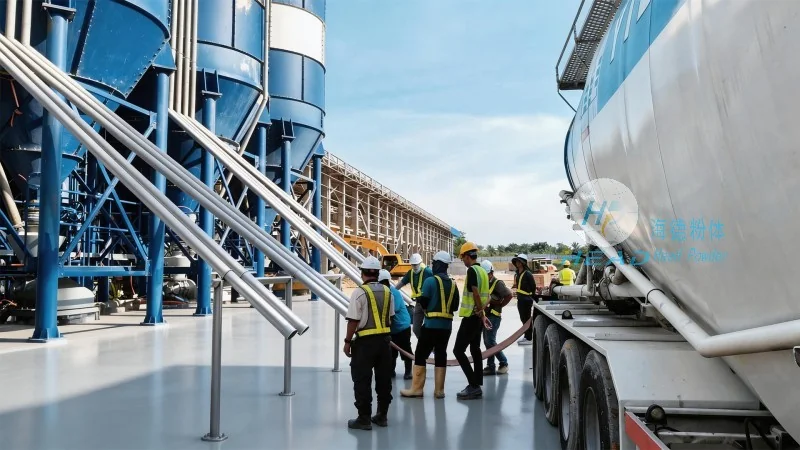
- Reduced product damage and bruising due to the gentle handling of the system.
- Increased operational efficiency with high throughput rates and minimal downtime.
- Improved hygiene and sanitation, as the system is easy to clean and maintain.
- Energy efficiency through optimized air pressure control and reduced energy consumption.
- Flexibility in system layout, allowing for easy integration into existing processing facilities.
Application Scenarios
Potato pneumatic conveying equipment is widely used in various stages of potato processing, including:
- Transporting raw potatoes from storage to processing lines.
- Conveying potatoes to washing and peeling machines.
- Moving processed potatoes to packaging or storage areas.
- Handling potatoes in bulk for distribution to food manufacturers.
Conclusion
HeadPowder Engineering Co., Ltd. offers reliable and efficient potato pneumatic conveying equipment that combines advanced technology with robust design. By understanding the structural components and operational principles, users can make informed decisions about implementing this system in their operations. The benefits of reduced product damage, increased efficiency, and improved hygiene make it a valuable investment for any potato processing facility.