What is Molybdenum Trioxide Pneumatic Conveying Equipment? Introduction to the Structure and Princip
Release time:2026-09-14 10:51:06
name of the company:Shandong Headpowder Engineering Co., Ltd.
telephone:156-6277-7102
contacts:Manager Zhang
Understanding the design and functionality of molybdenum trioxide pneumatic conveying equipment is crucial for industries that handle fine powders efficiently. This equipment, often referred to as a powder handling system, is engineered to transport molybdenum trioxide—a critical industrial material—through an air-driven process. The following sections will delve into the structural components and operational principles that enable such equipment to function effectively.
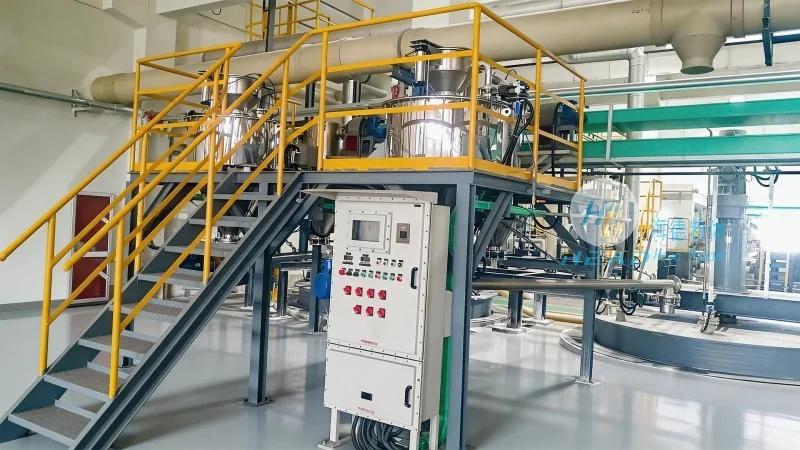
Overview of Molybdenum Trioxide Pneumatic Conveying Systems
Molybdenum trioxide (MoO₃) is a high-purity oxide used extensively in the production of molybdenum alloys, catalysts, and other specialty chemicals. Transporting this fine powder requires specialized equipment to maintain its quality and prevent contamination. Pneumatic conveying systems, which use compressed air to move particles, are ideal for handling MoO₃ due to their ability to control particle flow, minimize dust, and ensure consistent delivery to processing units.
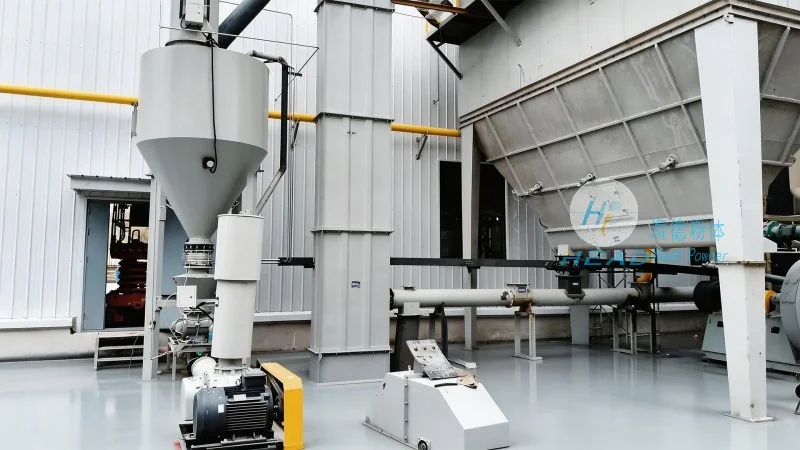
Key Structural Components of the Equipment
The molybdenum trioxide pneumatic conveying system typically consists of several interrelated components that work in tandem to achieve efficient material transport. These components include:
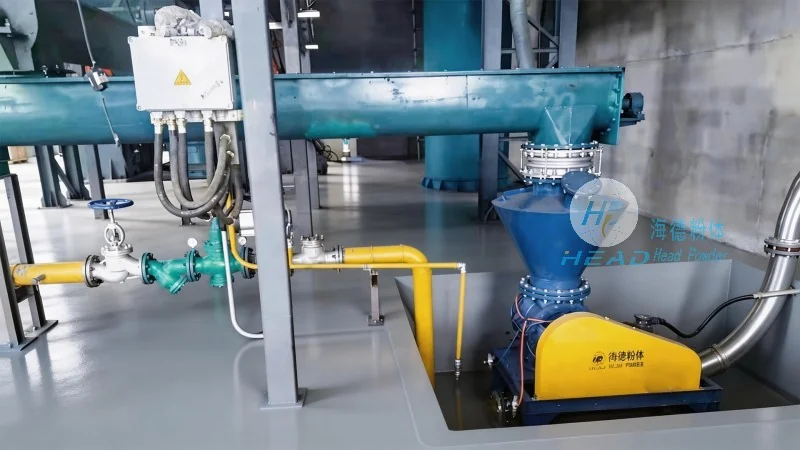
- Material Hopper: A storage container that holds the molybdenum trioxide powder. The hopper is designed with a sloped bottom to facilitate the flow of powder into the conveying line, minimizing the risk of clogging or bridging.
- Air Supply Unit: This component generates and regulates compressed air, which serves as the driving force for conveying the powder. The air supply unit may include a compressor, air filter, and pressure regulator to ensure stable and clean air delivery.
- Conveying Pipe Network: A network of pipes that transports the powder-air mixture from the hopper to the destination point. The pipe material is usually selected for its resistance to corrosion and wear, as molybdenum trioxide can be abrasive and may react with certain metals.
- Control Valves and Regulators: These components manage the flow rate of both the powder and air, allowing operators to adjust the conveying speed and pressure as needed. Valves may include check valves, flow control valves, and pressure relief valves to maintain system stability.
- Receiver or Discharge Unit: The final component where the molybdenum trioxide is deposited. This unit may be a storage silo, a processing vessel, or a packaging container, and is designed to handle the incoming powder without causing spillage or contamination.
Operational Principle of the Pneumatic Conveying Process
The core of the molybdenum trioxide pneumatic conveying process involves the creation of a particle-laden air stream within the conveying pipe. Here’s a step-by-step breakdown of how the system operates:
- Powder Loading: The molybdenum trioxide powder is fed from the hopper into the conveying pipe. The air supply unit then introduces compressed air into the pipe, creating a flow that lifts the powder particles.
- Fluidization and Suspension: As the air flows through the pipe, it fluidizes the powder, suspending the particles in the air stream. This suspension allows the powder to be transported at high velocities without settling or clogging the pipe.
- Transport to Destination: The powder-air mixture travels through the pipe network to the receiver or discharge unit. The system’s control valves adjust the air pressure and flow rate to maintain optimal transport conditions.
- Deposition: At the destination, the air is often separated from the powder using a cyclone separator or other filtration device. The purified air is then vented, while the molybdenum trioxide is collected in the receiver, ready for further processing or use.
Advantages of Using Pneumatic Conveying for Molybdenum Trioxide
Compared to traditional mechanical conveying methods, pneumatic systems offer several advantages when handling molybdenum trioxide:
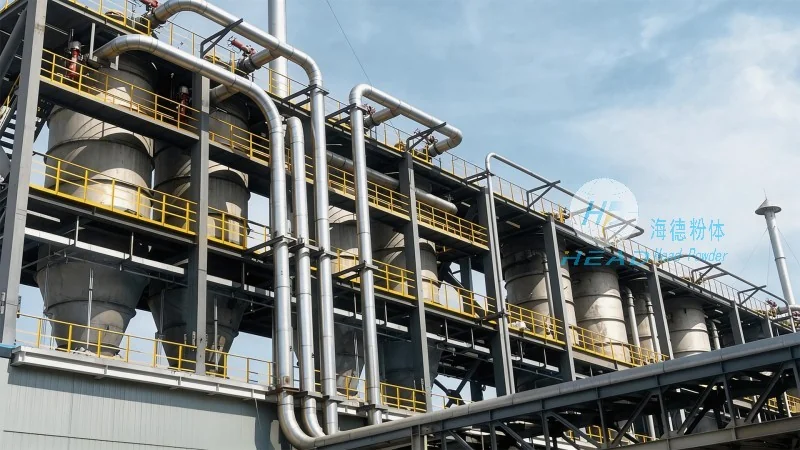
- Reduced Contamination: The enclosed system minimizes exposure to external contaminants, ensuring the purity of the molybdenum trioxide remains intact.
- Efficient Flow Control: Operators can precisely adjust the conveying rate and pressure, allowing for flexible and responsive material handling.
- Low Maintenance: Pneumatic systems typically have fewer moving parts compared to mechanical conveyors, reducing the risk of wear and tear and lowering maintenance costs.
- Scalability: The system can be easily scaled up or down to accommodate varying production volumes, making it suitable for both small-scale and large-scale operations.
About Shandong HeadPowder Engineering Co., Ltd.
Shandong HeadPowder Engineering Co., Ltd., a leading manufacturer in the powder handling industry, specializes in designing and supplying high-quality pneumatic conveying equipment for various industrial applications. With a focus on innovation and customer satisfaction, the company has built a reputation for delivering reliable and efficient solutions for material transport. HeadPowder’s expertise in molybdenum trioxide handling ensures that their equipment meets the stringent requirements of the chemical and metallurgical industries. The company’s facilities are located in Shandong, China, where they leverage advanced manufacturing techniques and rigorous quality control processes to produce durable and long-lasting equipment. By partnering with HeadPowder, industries can enhance their material handling capabilities while maintaining the highest standards of safety and efficiency.

 Shandong Headpowder Engineering Co., Ltd.
 156-6277-7102(Manager Zhang)
  0531-83386006
  Zhangqiu District, Jinan City, Shandong Province, China