With more than 10‑year industry experience, Shandong Headpowder delivers full‑service pneumatic‑conveying systems and blowers, undertaking nationwide turn‑key powder‑handling projects.
Polystyrene, a widely used thermoplastic polymer, is often handled in bulk form during manufacturing and processing. The efficient and safe transportation of polystyrene powder or granules is crucial for industrial operations. Pneumatic conveying systems offer a reliable solution for this purpose, enabling the movement of polymeric materials through an enclosed pipeline using compressed air or other gases. This article provides an overview of polystyrene pneumatic conveying equipment, detailing its structure and operational principles.
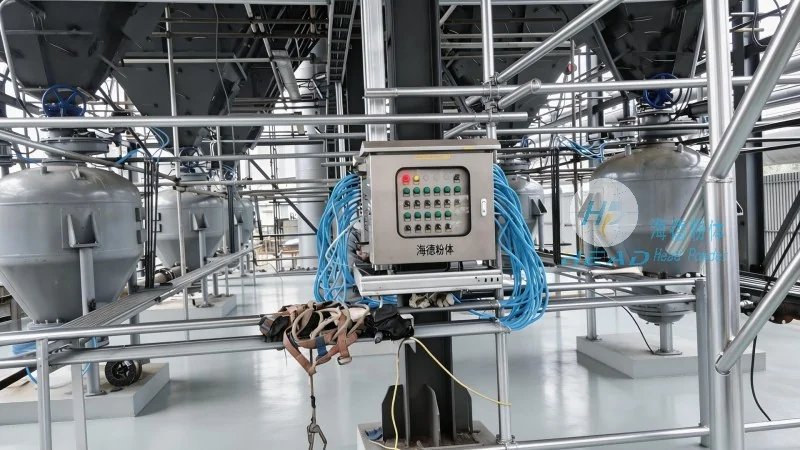
Polystyrene pneumatic conveying equipment is designed to transport polystyrene particles from a source, such as a hopper or storage silo, to a destination, like a processing unit or packaging area. The system operates by creating a pressure differential within a pipeline, which propels the material through the system. Key components of this equipment include the material feed system, the conveying pipeline, the air supply unit, and the control mechanisms. Each component plays a vital role in ensuring the smooth and efficient movement of polystyrene.
The material feed system is responsible for introducing polystyrene into the conveying pipeline. This can be achieved through various methods, such as rotary valves, star feeders, or pressure feeders, depending on the system design and the characteristics of the polystyrene material. The feed system must be capable of handling the specific flow rates and particle sizes of the polystyrene to maintain consistent conveying performance.
The conveying pipeline is the main channel through which polystyrene travels. It is typically made of materials like stainless steel or plastic, chosen for their resistance to corrosion and wear from the polystyrene particles. The pipeline is designed with bends and fittings that minimize pressure loss and ensure the material moves without clogging. Proper sizing of the pipeline is critical to maintain the required air velocity for effective conveying.
The air supply unit provides the necessary pressure and volume of air to move the polystyrene particles. This unit includes a compressor, air filters, and pressure regulators to ensure a clean and consistent air flow. The air velocity within the pipeline must be sufficient to overcome the gravitational forces and frictional resistance of the polystyrene particles, preventing them from settling or clogging the system.
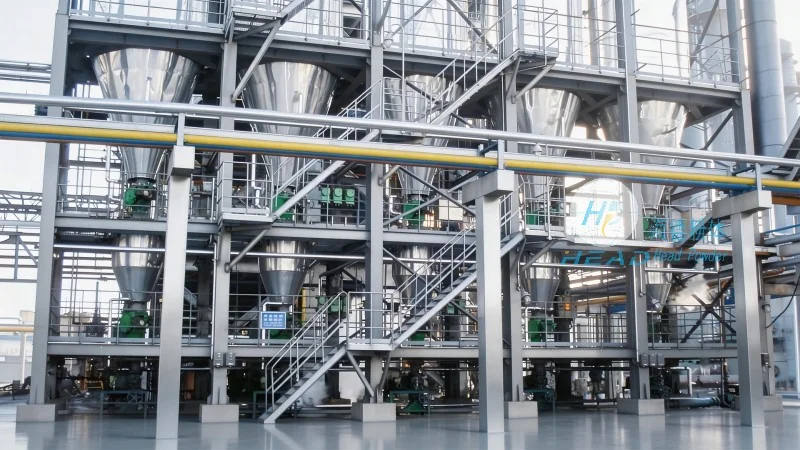
The control mechanisms are essential for monitoring and regulating the operation of the pneumatic conveying system. These include pressure sensors, flow meters, and control valves that adjust the air pressure and flow rate as needed. The control system also includes safety features, such as pressure relief valves and emergency shut-off valves, to prevent over-pressurization and ensure the safety of the operators and the equipment.
The operation of a polystyrene pneumatic conveying system involves several steps. First, the polystyrene material is fed into the system from the source. The feed system then introduces the material into the conveying pipeline at a controlled rate. Simultaneously, the air supply unit provides compressed air, which is introduced into the pipeline at the feed point. The air velocity created by the compressed air lifts the polystyrene particles and propels them through the pipeline.
As the polystyrene particles travel through the pipeline, they may encounter bends or changes in direction. The system is designed with appropriate fittings and elbows to minimize the impact of these changes on the conveying efficiency. The air flow continues to carry the particles until they reach the destination point, where the material is discharged into a hopper or storage container.
The control mechanisms continuously monitor the pressure and flow rates within the system. If the pressure drops or the flow rate changes, the control system adjusts the air supply to maintain optimal conveying conditions. This ensures that the polystyrene is transported efficiently and without clogging or damage.
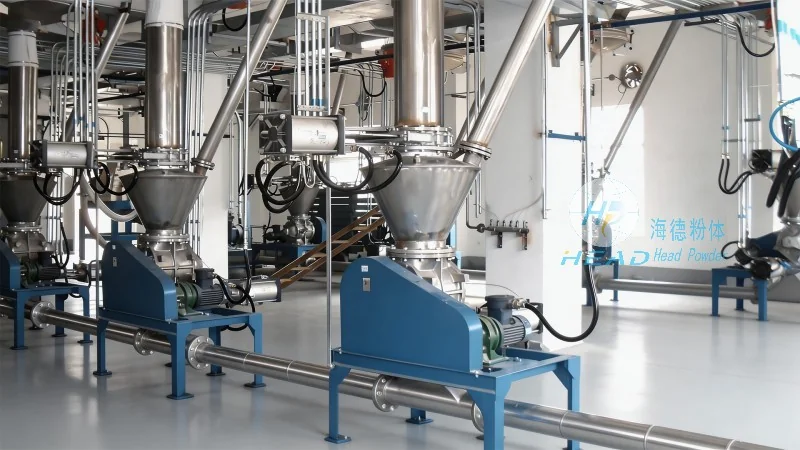
Polystyrene pneumatic conveying equipment is widely used in various industries, including packaging, manufacturing, and chemical processing. The primary benefits of this system include the ability to transport polystyrene in a closed environment, which prevents contamination and dust exposure. Additionally, the system is compact and can be integrated into existing production lines, reducing the need for additional space and infrastructure.
Another advantage of pneumatic conveying is its flexibility in handling different types of polystyrene materials, including powders, granules, and flakes. The system can be adjusted to accommodate varying particle sizes and flow rates, making it suitable for a wide range of applications. Furthermore, the system is energy-efficient compared to other material handling methods, such as belt conveyors or bucket elevators, as it uses compressed air to move the material rather than mechanical components.
Polystyrene pneumatic conveying equipment is a critical component in the efficient handling of polystyrene materials. The system's structure and operational principles are designed to ensure the safe and reliable transportation of polystyrene from source to destination. By understanding the key components and working principles of this equipment, industrial operators can optimize their material handling processes and improve overall productivity.
Shandong HeadPowder Engineering Co., Ltd., a leading manufacturer of powder handling equipment, specializes in providing customized pneumatic conveying solutions for various industrial applications. With years of experience and a commitment to quality, the company offers reliable and efficient polystyrene pneumatic conveying systems that meet the specific needs of its clients. Located in Shandong, China, HeadPowder Engineering Co., Ltd. serves a global market, delivering high-performance equipment that enhances the productivity and safety of industrial operations.

 Shandong Headpowder Engineering Co., Ltd.
 156-6277-7102(Manager Zhang)
  0531-83386006
  Zhangqiu District, Jinan City, Shandong Province, China
telephone
WeChatconsult
top