With more than 10‑year industry experience, Shandong Headpowder delivers full‑service pneumatic‑conveying systems and blowers, undertaking nationwide turn‑key powder‑handling projects.
Pharmaceutical industries rely on efficient and reliable systems to handle particulate materials, such as drug powders, during manufacturing and processing. Pneumatic conveying equipment has emerged as a critical solution for transporting these materials safely and effectively. This article provides an in-depth look at the structure and operational principles of such equipment, highlighting its importance in modern pharmaceutical production.
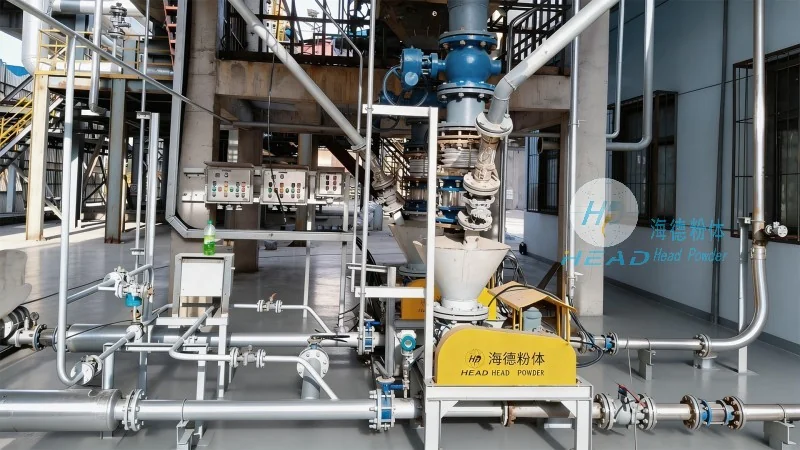
In the pharmaceutical sector, the handling of powders requires stringent standards to ensure product integrity, safety, and compliance with regulatory guidelines. Pneumatic conveying systems offer a non-contact method to transport drug particles, minimizing contamination risks and preserving product quality. These systems are particularly valuable for sensitive formulations that cannot be exposed to external elements or mechanical stress during transit.
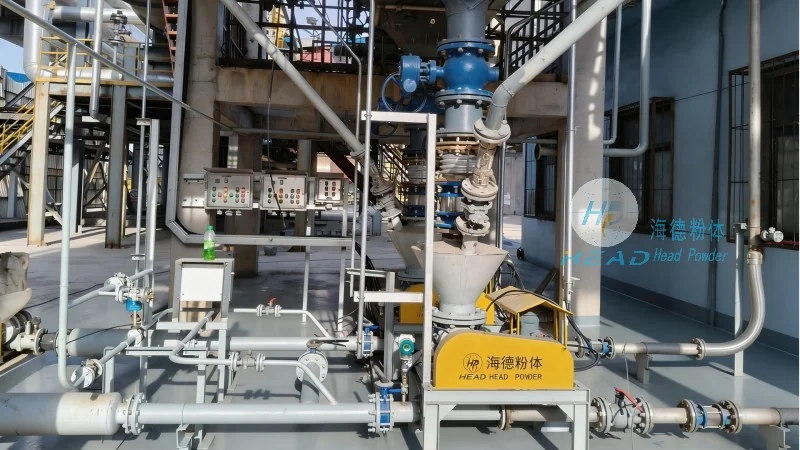
The core structure of a pneumatic conveying system for drug particulates typically includes several essential components. The primary elements are the material feed hopper, which stores and regulates the flow of powder; the conveying line, which transports the material under pressure; and the discharge unit, which delivers the powder to the target location. Additionally, the system may incorporate a vacuum or pressure source, such as a blower or compressor, to generate the necessary airflow. Other critical components include filters to maintain air purity, valves to control flow direction, and sensors to monitor system performance and ensure operational safety.
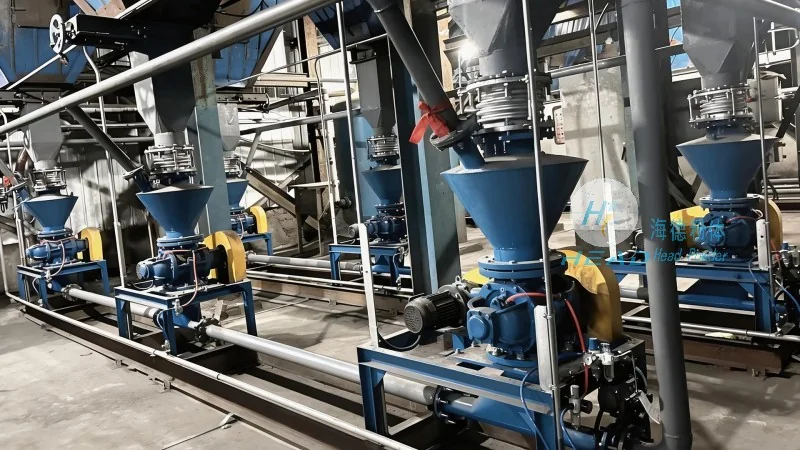
The operation of a pneumatic conveying system for pharmaceutical particulates involves the use of air to move the powder through the system. In a typical setup, the drug powder is fed into the hopper, where it is then drawn into the conveying line by the air flow generated by the blower. The air and powder mixture travels through the pipeline, with the powder suspended in the air stream. As the mixture reaches the discharge point, the air is separated from the powder, often through a cyclone or other separation device, allowing the powder to be collected in a container or directly into the next processing stage. The air is then filtered and recirculated to maintain efficiency and reduce waste.
Implementing pneumatic conveying equipment in pharmaceutical manufacturing offers numerous advantages. First, it provides a hygienic and contamination-free method of material handling, which is crucial for maintaining the quality of sensitive drug products. Second, the system allows for precise control over the flow rate and pressure, ensuring consistent and reliable transport of the powder. Third, pneumatic conveying systems are compact and can be integrated into existing production lines, reducing the need for extensive infrastructure modifications. Finally, these systems are versatile and can handle a wide range of powder characteristics, including different particle sizes, densities, and moisture contents, making them suitable for various pharmaceutical applications.
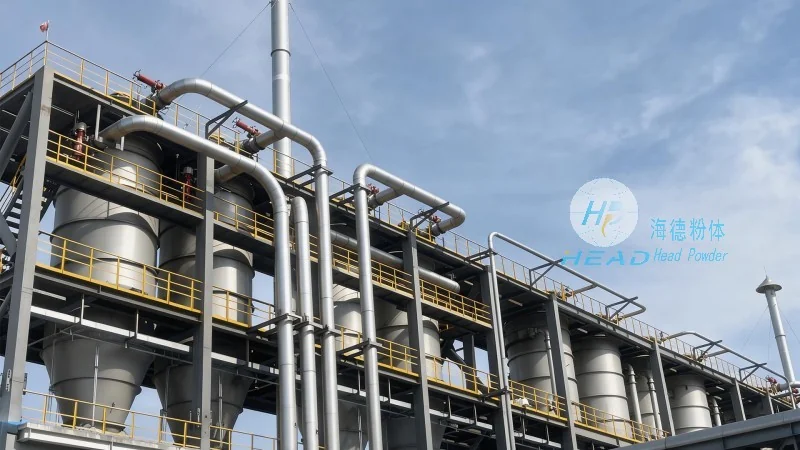
Shandong HeadPowder Engineering Co., Ltd., commonly known as HeadPowder, is a leading manufacturer specializing in the design, development, and production of advanced powder handling equipment. With a focus on innovation and precision engineering, HeadPowder provides customized solutions tailored to the specific needs of the pharmaceutical industry. The company’s headquarters is located in Shandong, China, where it leverages its expertise to deliver high-quality, reliable pneumatic conveying systems that meet international standards and regulatory requirements. HeadPowder’s commitment to quality and customer satisfaction has established it as a trusted partner for pharmaceutical companies seeking efficient and safe powder handling solutions.

 Shandong Headpowder Engineering Co., Ltd.
 156-6277-7102(Manager Zhang)
  0531-83386006
  Zhangqiu District, Jinan City, Shandong Province, China
telephone
WeChatconsult
top