With more than 10‑year industry experience, Shandong Headpowder delivers full‑service pneumatic‑conveying systems and blowers, undertaking nationwide turn‑key powder‑handling projects.
Efficient and reliable material handling is a critical aspect of modern industrial operations, especially when dealing with fine or granular materials like crystal particles. Pneumatic conveying systems have emerged as a preferred solution for transporting such materials due to their ability to handle delicate products while minimizing contamination and damage. This article provides an in-depth look at the structure and working principles of crystal particle pneumatic conveying equipment, highlighting the key components and operational mechanisms that make these systems effective.
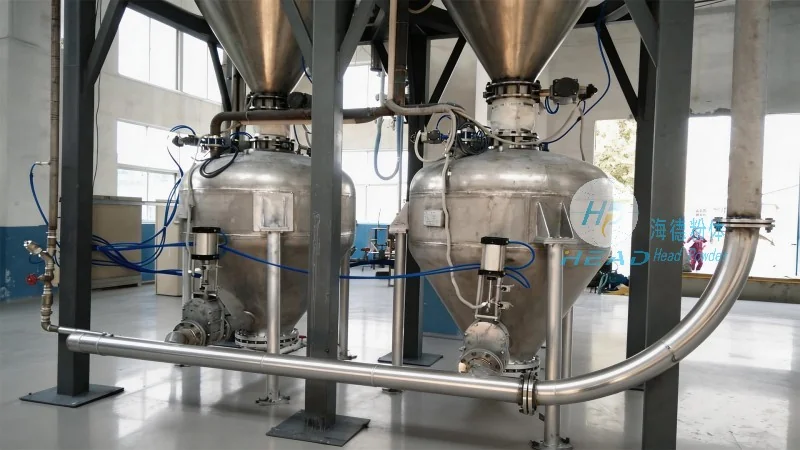
Pneumatic conveying, also known as air conveying, is a method of transporting bulk materials through a pipeline using a stream of air or gas. For crystal particles, which often require gentle handling to preserve their quality and integrity, specialized equipment is designed to ensure efficient and safe transport. The equipment from Shandong HeadPowder Engineering Co., Ltd. is engineered to meet the unique demands of crystal particle handling, offering a robust solution for industries such as pharmaceuticals, chemicals, and food processing.
The structure of a typical crystal particle pneumatic conveying system includes several essential components that work in tandem to achieve effective material transport. These components are carefully designed to handle the specific characteristics of crystal particles, such as their size, density, and flowability. The main components include:
1. Feed Hopper and Material Feeder: The feed hopper is the initial component where the crystal particles are stored before being fed into the system. It is equipped with a material feeder, which can be a rotary valve, a star feeder, or a screw feeder, depending on the material's properties. The feeder ensures a controlled and consistent flow of particles into the conveying line, preventing blockages and maintaining system efficiency.
2. Air Supply and Blower: The air supply system provides the necessary pressure and volume of air to create the conveying stream. The blower or compressor generates the airflow, which is directed into the pipeline at a specific velocity to carry the crystal particles. The air velocity is critical; it must be high enough to lift the particles but low enough to prevent excessive wear on the system components and to minimize particle degradation.
3. Conveying Pipeline: The pipeline is the main channel through which the crystal particles and air mixture travels. It is typically made of stainless steel or other corrosion-resistant materials to withstand the abrasive nature of crystal particles and the effects of air flow. The pipeline design, including bends and fittings, is optimized to minimize pressure drop and maintain consistent airflow, ensuring smooth material transport.
4. Separation and Collection System: At the end of the conveying line, the system includes a separation unit, such as a cyclone or a bag filter, to separate the crystal particles from the air stream. The separated particles are collected in a discharge hopper, while the clean air is either vented to the atmosphere or recirculated back into the system, depending on the application and environmental requirements.
The working principle of crystal particle pneumatic conveying involves the use of a high-velocity air stream to lift and transport the particles through the pipeline. The process can be broken down into several stages:
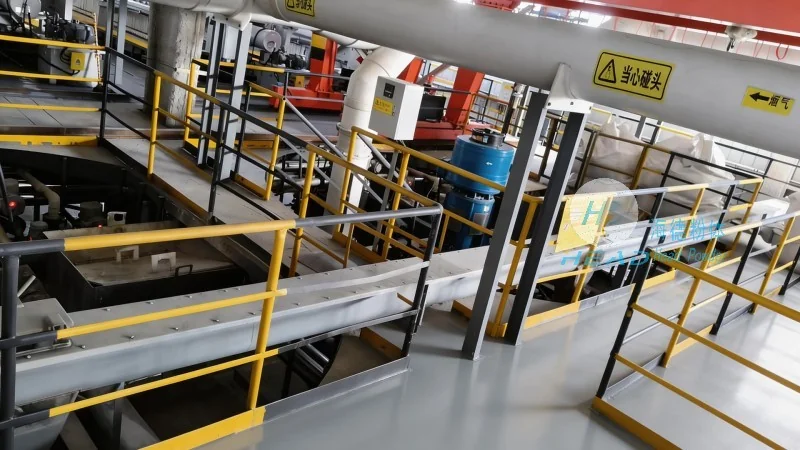
1. Material Intake: The crystal particles are fed from the hopper into the feeder, which then releases them into the pipeline. The feeder ensures a steady flow, preventing the formation of clumps or blockages.
2. Air Injection and Particle Suspension: The blower injects high-pressure air into the pipeline, creating a stream that moves at a velocity sufficient to suspend the crystal particles. The air velocity is typically in the range of 20 to 30 meters per second, depending on the particle size and density. This velocity ensures that the particles are carried along with the air stream without settling.
3. Transport Through Pipeline: The mixture of air and crystal particles travels through the pipeline, passing through bends and fittings. The pipeline design minimizes pressure losses, ensuring that the air velocity remains consistent throughout the conveying process. The smooth interior of the pipeline and the use of appropriate fittings reduce friction and wear, extending the system's lifespan.
4. Separation and Discharge: At the receiving end, the air and particle mixture enters the separation unit. The cyclone or filter uses centrifugal force to separate the heavier crystal particles from the lighter air. The particles are collected in the discharge hopper, while the clean air is either vented or recirculated. This separation process is crucial for maintaining the purity of the product and ensuring compliance with environmental regulations.
The use of crystal particle pneumatic conveying equipment offers several advantages over traditional mechanical conveying methods. These benefits make it an ideal choice for industries that require gentle handling and high-quality product transport:
1. Gentle Handling: Unlike mechanical conveyors that use belts or screws, pneumatic systems use air to transport particles. This method minimizes particle breakage and abrasion, preserving the integrity and quality of crystal particles, which is critical in applications such as pharmaceuticals and food processing.
2. Reduced Contamination: Pneumatic conveying systems are enclosed, preventing contamination from external sources. The use of stainless steel components and proper sealing ensures that the crystal particles remain clean and free from dust or other impurities.
3. Versatility: The equipment can handle a wide range of particle sizes and densities, making it suitable for various crystal products. It can also be adapted for different conveying distances and capacities, providing flexibility in industrial applications.
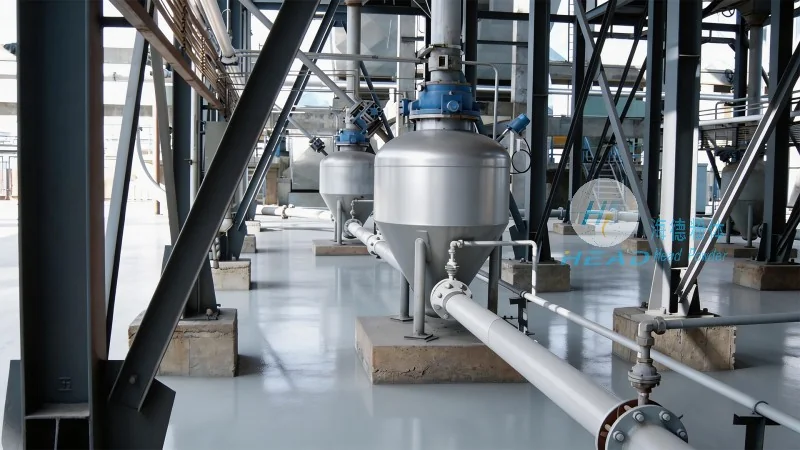
4. Energy Efficiency: Modern pneumatic conveying systems are designed to be energy-efficient, with optimized air flow and pressure control. This reduces operational costs and environmental impact, making it a sustainable choice for material handling.
Crystal particle pneumatic conveying equipment is widely used in various industries that handle fine or granular materials. Some common applications include:
1. Pharmaceutical Industry: In pharmaceutical manufacturing, the gentle handling of crystal particles is essential to maintain product quality and purity. Pneumatic conveying systems are used to transport active pharmaceutical ingredients (APIs) and other raw materials, ensuring that they are not damaged or contaminated during transport.
2. Chemical Industry: The chemical industry often deals with a variety of crystal-based chemicals, such as salts, acids, and pigments. Pneumatic conveying equipment is used to transport these materials safely and efficiently, minimizing the risk of accidents and environmental hazards.
3. Food Processing Industry: In food processing, the use of clean and hygienic equipment is crucial. Pneumatic conveying systems are used to transport food-grade crystal particles, such as sugar, salt, or spices, ensuring that they remain free from contaminants and maintain their quality.
4. Mining and Minerals Processing: The mining industry uses pneumatic conveying to transport mineral powders and crystals from processing plants to storage or further processing facilities. The equipment is designed to handle abrasive and heavy materials, providing reliable and efficient transport.
Crystal particle pneumatic conveying equipment from Shandong HeadPowder Engineering Co., Ltd. offers a reliable and efficient solution for transporting delicate and high-value crystal particles. The system's structure, which includes feed hoppers, material feeders, blowers, pipelines, and separation units, is designed to handle the unique characteristics of crystal particles while ensuring minimal damage and contamination. The working principle, based on air suspension and separation, provides a gentle yet effective method of material transport. With its advantages in handling, contamination control, versatility, and energy efficiency, this equipment is an essential component in industries such as pharmaceuticals, chemicals, food processing, and mining. By understanding the structure and working principles of these systems, industries can make informed decisions to enhance their material handling processes and improve overall operational efficiency.

 Shandong Headpowder Engineering Co., Ltd.
 156-6277-7102(Manager Zhang)
  0531-83386006
  Zhangqiu District, Jinan City, Shandong Province, China
telephone
WeChatconsult
top