With more than 10‑year industry experience, Shandong Headpowder delivers full‑service pneumatic‑conveying systems and blowers, undertaking nationwide turn‑key powder‑handling projects.
Understanding PTA powder pneumatic conveying is crucial for industries dealing with fine particulate materials, as it offers an efficient and reliable method for transporting powders like PTA (para-toluic acid) over long distances or within complex processing facilities. This article provides a detailed overview of the working principles behind powder handling systems, focusing on the specific application of PTA powder and the engineering solutions offered by Shandong HeadPowder Engineering Co., Ltd.
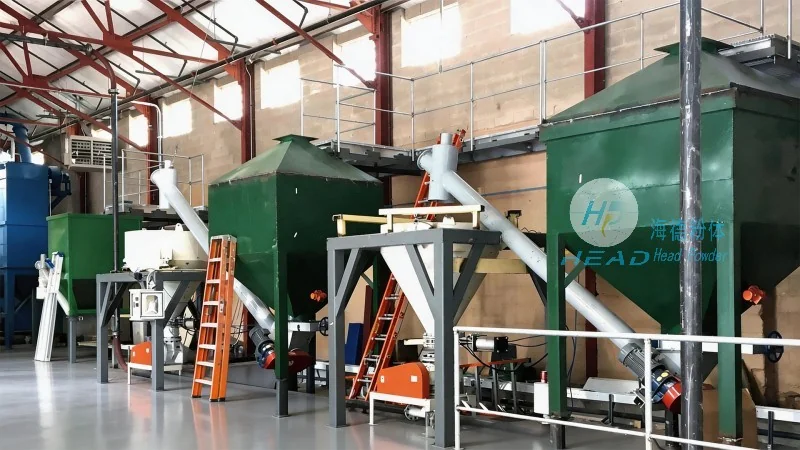
PTA, or para-toluic acid, is a key chemical intermediate widely used in the production of polyester fibers and other industrial applications. The efficient handling and transportation of PTA powder are critical to maintaining production efficiency and product quality. Pneumatic conveying systems provide a non-contact, closed-loop method for moving powders, which helps prevent contamination, dust emissions, and material degradation. These systems are particularly advantageous for PTA powder due to its fine particle size and sensitivity to moisture or air exposure.
Pneumatic conveying systems operate by using a fluid, typically air or a combination of air and other gases, to transport solid particles through a pipeline. The core components of a PTA powder pneumatic conveying system include a material feed hopper, a conveying line, a pressure or vacuum source, and a discharge device. The process begins with the PTA powder being fed into the hopper, where it is then drawn into the conveying line by the pressure or vacuum created by the system. As the air flows through the line, it lifts and transports the powder particles, maintaining a consistent flow rate and preventing clogging. The system can operate under either positive pressure (where air is forced through the line) or negative pressure (where air is drawn out), depending on the specific application and system design.
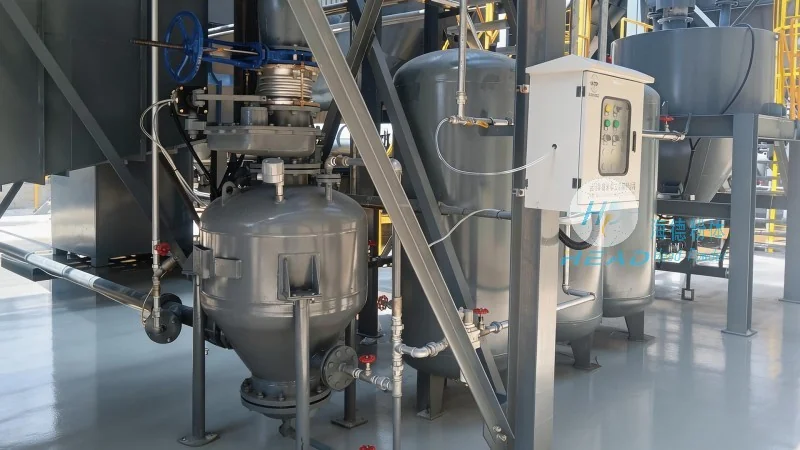
Several critical components work together to ensure the smooth operation of a PTA powder pneumatic conveying system. The material feed hopper is designed to store and meter the PTA powder, ensuring a consistent feed rate to the conveying line. This component often includes a rotary valve or feeder to control the flow of powder into the system. The conveying line itself is typically made of materials resistant to corrosion and abrasion, such as stainless steel or special alloys, to withstand the handling of PTA powder and the effects of the conveying medium. The pressure or vacuum source, which may be a blower, compressor, or vacuum pump, provides the necessary force to move the powder through the line. Finally, the discharge device, such as a rotary valve or cyclone separator, collects the PTA powder at the end of the conveying line, separating it from the air and preparing it for further processing or storage.
Implementing a pneumatic conveying system for PTA powder offers numerous benefits that enhance operational efficiency and product integrity. One of the primary advantages is the ability to transport PTA powder in a closed system, which minimizes dust emissions and prevents contamination from external sources. This is particularly important for PTA powder, which is sensitive to moisture and can degrade if exposed to air for extended periods. Additionally, pneumatic conveying systems allow for the transport of PTA powder over long distances without the need for intermediate storage or handling, reducing the risk of material loss or quality variation. The system also provides better control over the flow rate and pressure, enabling precise dosing and consistent product quality. Furthermore, the closed-loop design of these systems reduces maintenance requirements compared to traditional bulk handling methods, as there are fewer moving parts exposed to the powder and air.
PTA powder pneumatic conveying systems are widely used in various industrial applications where efficient powder handling is essential. In the chemical industry, these systems are commonly employed in the production of PTA, where they are used to transport raw materials to reactors and finished products to storage or packaging facilities. The food and pharmaceutical industries also utilize pneumatic conveying for PTA powder, particularly in applications where product purity and contamination control are paramount. Additionally, in the manufacturing of polyester fibers, PTA powder is conveyed from storage to extrusion lines, where it is processed into polymer pellets. The flexibility of pneumatic conveying systems allows them to be integrated into existing production lines or customized for new applications, making them a versatile solution for PTA powder handling.
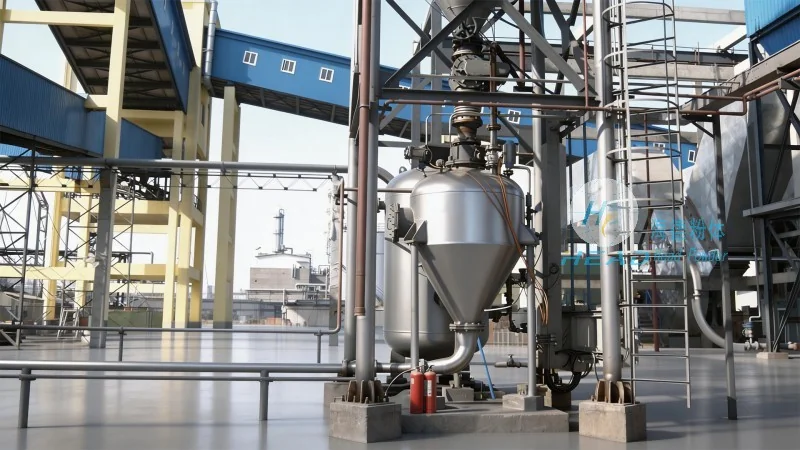
Shandong HeadPowder Engineering Co., Ltd., operating under the brand name headpowder, specializes in the design, manufacturing, and installation of advanced powder handling systems, including PTA powder pneumatic conveying solutions. With a focus on providing tailored engineering solutions, the company leverages years of experience in the powder processing industry to deliver systems that meet the specific needs of their clients. The company's expertise includes the selection of appropriate materials for the conveying line and components, ensuring durability and resistance to the corrosive properties of PTA powder. They also provide comprehensive system integration services, including the design of feed and discharge systems, control panels, and safety features. HeadPowder's commitment to quality and customer satisfaction is reflected in their adherence to industry standards and the use of advanced technology in their product development. The company's facilities are located in Shandong, China, where they maintain a strong presence in the regional and international markets for powder handling equipment.
Pneumatic conveying systems represent a sophisticated and effective method for handling PTA powder, offering significant advantages in terms of efficiency, product quality, and operational safety. As industries continue to demand higher standards of material handling, the importance of reliable PTA powder pneumatic conveying systems will only increase. Companies like Shandong HeadPowder Engineering Co., Ltd. play a vital role in advancing this technology by providing innovative solutions that address the unique challenges of PTA powder processing. By investing in advanced pneumatic conveying systems, industries can enhance their production capabilities, reduce costs, and ensure the consistent quality of their products, ultimately contributing to the growth and sustainability of their operations.

 Shandong Headpowder Engineering Co., Ltd.
 156-6277-7102(Manager Zhang)
  0531-83386006
  Zhangqiu District, Jinan City, Shandong Province, China
telephone
WeChatconsult
top