With more than 10‑year industry experience, Shandong Headpowder delivers full‑service pneumatic‑conveying systems and blowers, undertaking nationwide turn‑key powder‑handling projects.
Coal fly ash pneumatic conveying is a crucial technology in the field of powder handling, particularly for the efficient transport of fine particulate materials like coal fly ash. This method utilizes air as the conveying medium to move bulk materials through a pipeline system, offering a flexible and efficient solution for industrial applications.
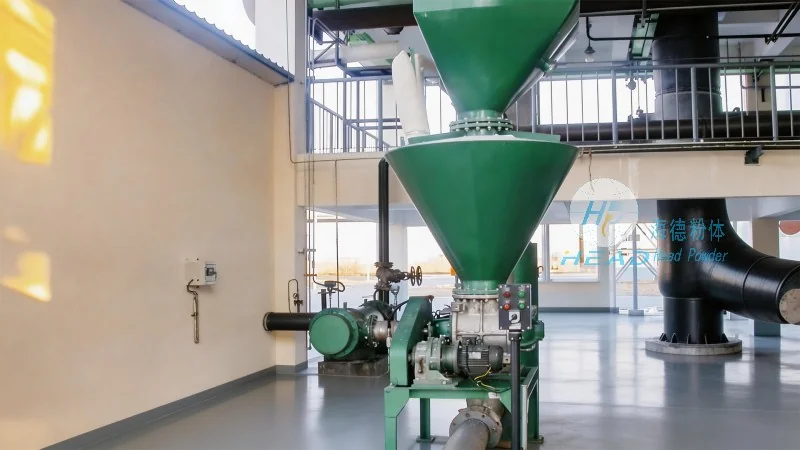
HeadPowder, also known as Shandong HeadPowder Engineering Co., Ltd., is a professional engineering company based in Shandong, China. The company specializes in the design, manufacturing, and installation of advanced powder handling systems, including pneumatic conveying equipment tailored for various industrial needs. With a focus on innovation and quality, HeadPowder provides reliable solutions for transporting bulk materials such as coal fly ash, ensuring high efficiency and minimal environmental impact.
Pneumatic conveying systems operate by creating a pressure differential between the inlet and outlet of the conveying line. In the case of coal fly ash, the system typically uses a combination of positive and negative pressure or a vacuum to draw the material into the pipeline. The process begins with the material being fed into a hopper or feeder, where it is then mixed with air or other gases. The air, often referred to as the conveying medium, is then introduced into the pipeline, creating a flow that transports the coal fly ash from the source to the destination. The system can be configured in different modes, such as dilute phase or dense phase, depending on the material characteristics and the required conveying distance. Dilute phase systems are suitable for short to medium distances and low to medium material flow rates, while dense phase systems are ideal for longer distances and higher material loads, providing better control over the material's velocity and preventing blockages.
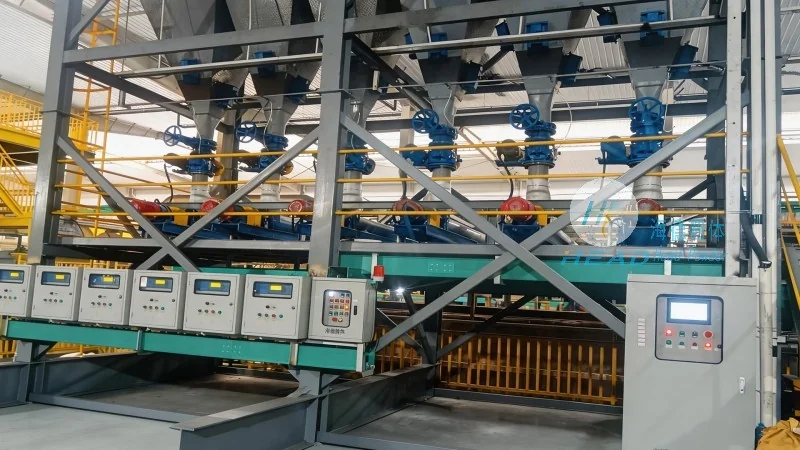
A typical coal fly ash pneumatic conveying system consists of several essential components that work together to ensure efficient material transport. These components include a material feeder, which controls the flow rate of the coal fly ash into the system; a conveying line, which is the main pipeline through which the material and air travel; a blower or vacuum pump, which provides the necessary air pressure or vacuum to move the material; and a receiver or silo, where the material is deposited at the end of the conveying line. Additionally, the system may include accessories such as filters, cyclones, and control valves to manage the air flow and prevent dust emissions. Each component plays a critical role in maintaining the system's performance and ensuring the safe and efficient transport of coal fly ash.
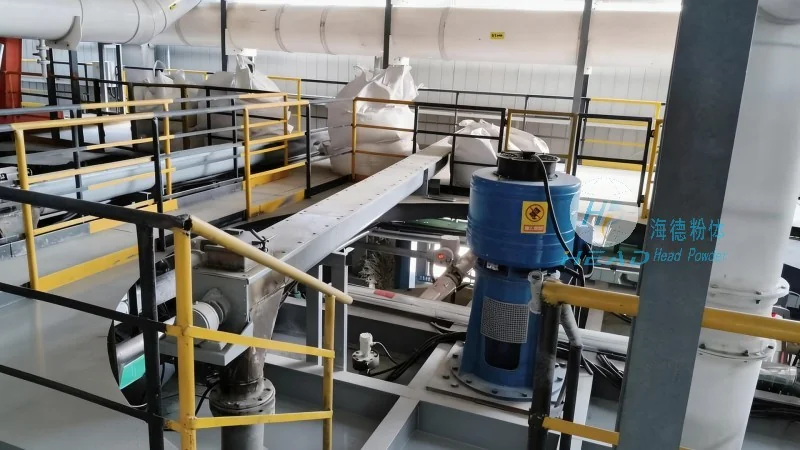
Coal fly ash pneumatic conveying is widely used in various industrial sectors, including power generation, cement production, and construction material manufacturing. In power plants, the system is used to transport coal fly ash from the boiler to storage facilities or to other processing units, where it can be utilized as a raw material in cement production or as a filler in concrete. The efficient transport of coal fly ash helps in reducing the environmental impact of ash disposal and maximizes the utilization of this byproduct. In cement plants, the system ensures a consistent supply of fly ash to the production line, improving the quality and reducing the cost of cement. The flexibility of pneumatic conveying systems makes them suitable for a wide range of applications, from small-scale industrial operations to large-scale power plants.
Compared to traditional methods like belt conveyors or bucket elevators, pneumatic conveying offers several advantages for coal fly ash transport. One of the key benefits is the ability to transport materials in a closed system, which helps in controlling dust emissions and maintaining a clean working environment. This is particularly important for coal fly ash, which can be a source of fine particulate matter that may pose health risks if not properly contained. Another advantage is the flexibility of the system, as it can be easily reconfigured to accommodate changes in material flow rates or conveying distances. Pneumatic conveying also reduces the need for multiple transfer points, which can be a source of material loss and contamination. Additionally, the system can handle a wide range of material properties, including different particle sizes and moisture contents, making it a versatile solution for various industrial applications.

 Shandong Headpowder Engineering Co., Ltd.
 156-6277-7102(Manager Zhang)
  0531-83386006
  Zhangqiu District, Jinan City, Shandong Province, China
telephone
WeChatconsult
top