With more than 10‑year industry experience, Shandong Headpowder delivers full‑service pneumatic‑conveying systems and blowers, undertaking nationwide turn‑key powder‑handling projects.
For industrial facilities engaged in selective catalytic reduction (SCR) processes, the denitrification urea powder conveyor is a critical piece of equipment. This system is specifically designed to handle urea powder, a key reagent used in reducing nitrogen oxides (NOx) emissions from combustion sources. The efficient transport of urea powder is essential for maintaining optimal NOx reduction rates, making the design and functionality of this conveyor system paramount. This article delves into the purpose of a denitrification urea powder conveyor and explores the underlying design principles that ensure its effectiveness.
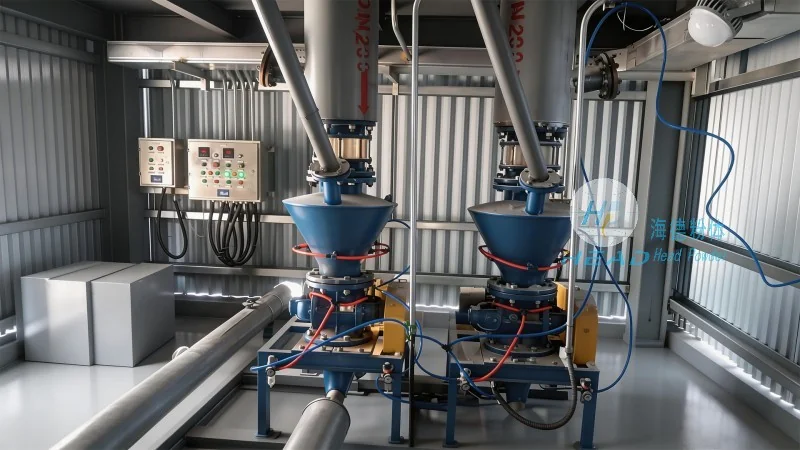
The denitrification urea powder conveyor typically consists of several key components that work in concert to ensure reliable and safe powder handling. These components include a hopper for material storage, a screw or pneumatic conveyor mechanism for transporting the urea powder, and a control system to regulate the flow and pressure. The hopper is designed to accommodate bulk urea powder, often with a conical or rectangular shape to facilitate uniform material discharge. The conveyor mechanism, whether a screw conveyor or a pneumatic system, is engineered to handle the abrasive and potentially hygroscopic nature of urea powder, preventing clogging and ensuring consistent flow rates. Additionally, the system incorporates safety features such as pressure relief valves and overfill protection to prevent accidents and maintain operational safety.
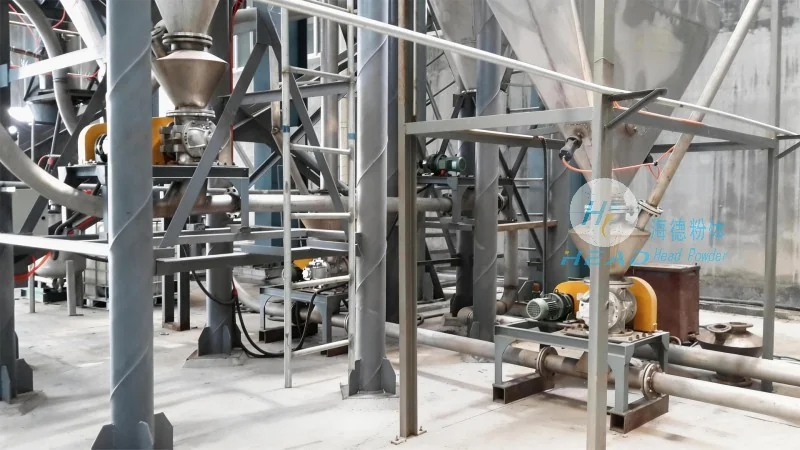
The design of a denitrification urea powder conveyor is guided by several key principles aimed at maximizing efficiency, reliability, and safety. One of the primary principles is the minimization of material degradation during transport. This is achieved through the use of smooth, corrosion-resistant materials for the conveyor components, such as stainless steel or specialized plastics, which prevent abrasion and chemical reactions with the urea powder. Another critical principle is the prevention of dust generation and air pollution. The system often incorporates sealed or enclosed designs to contain the powder and prevent dust from escaping into the environment, ensuring compliance with environmental regulations. Furthermore, the design prioritizes energy efficiency by optimizing the conveyor speed and pressure to achieve the required flow rates with minimal power consumption. The control system plays a vital role in implementing these principles, allowing for real-time monitoring and adjustment of the conveyor parameters to maintain optimal performance under varying operational conditions.
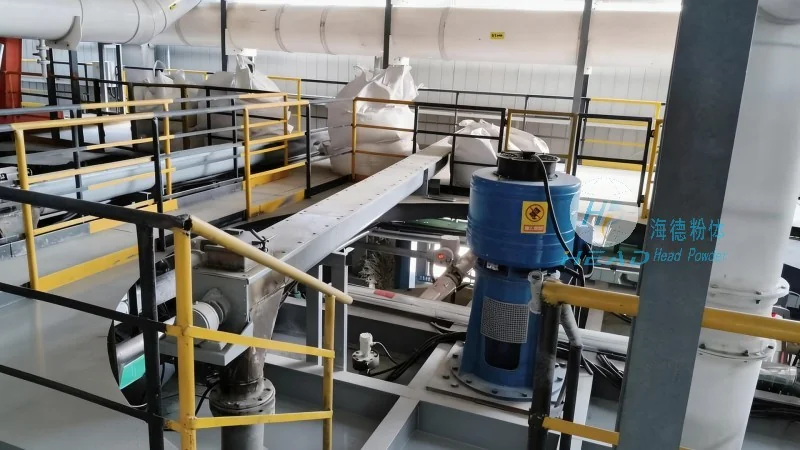
Denitrification urea powder conveyors are widely used in power plants, industrial boilers, and other facilities that employ SCR technology to reduce NOx emissions. The system is typically integrated into the urea storage and delivery infrastructure, connecting the storage tanks to the injection points in the combustion system. Operational considerations for these conveyors include maintaining proper moisture levels in the urea powder to prevent clumping, regular maintenance of the conveyor components to prevent wear and tear, and monitoring of the system's performance to ensure consistent NOx reduction. The design also accounts for the varying particle sizes of urea powder, ensuring that the conveyor can handle a range of particle diameters without compromising flow or causing blockages. Additionally, the system is often equipped with sensors to detect blockages or malfunctions, providing early warning and allowing for timely intervention to prevent system downtime.
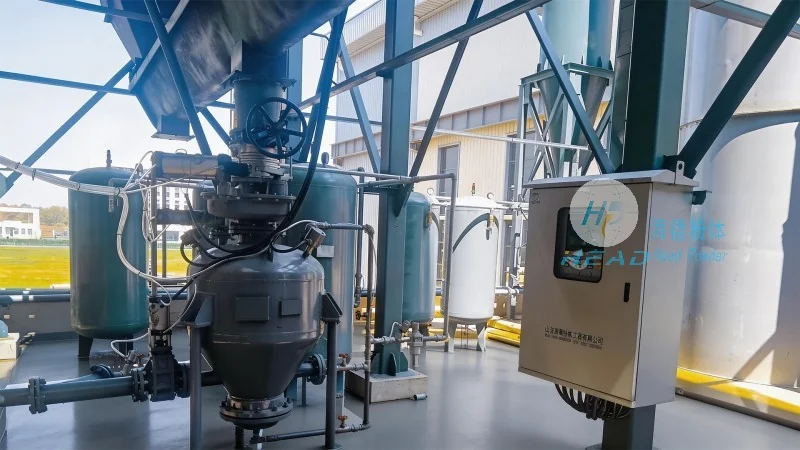
Shandong HeadPowder Engineering Co., Ltd., a leading manufacturer based in China, specializes in the design and production of advanced powder handling equipment, including denitrification urea powder conveyors. With years of experience in the industry, the company has developed a reputation for producing high-quality, reliable, and efficient conveyor systems tailored to the specific needs of industrial clients. The company's commitment to innovation and quality ensures that its products meet the stringent requirements of modern industrial applications, providing long-term performance and durability. HeadPowder's expertise in material handling and process engineering enables the company to deliver customized solutions that enhance operational efficiency and reduce environmental impact. The company's facilities are equipped with state-of-the-art manufacturing and testing capabilities, ensuring that each product is rigorously tested for performance and safety before delivery to clients. With a focus on customer satisfaction and technical support, Shandong HeadPowder Engineering Co., Ltd. is a trusted partner for facilities seeking to optimize their NOx reduction processes through reliable urea powder transport systems.

 Shandong Headpowder Engineering Co., Ltd.
 156-6277-7102(Manager Zhang)
  0531-83386006
  Zhangqiu District, Jinan City, Shandong Province, China
telephone
WeChatconsult
top