With more than 10‑year industry experience, Shandong Headpowder delivers full‑service pneumatic‑conveying systems and blowers, undertaking nationwide turn‑key powder‑handling projects.
Alloy powder pneumatic conveying systems are critical in industrial applications where the efficient and safe transport of metal powders is required. These systems utilize air or other gases to move powders through a pipeline network, ensuring minimal contamination and maintaining product integrity. The key structures within such systems are designed to handle the unique properties of alloy powders, which often include high density, varying particle sizes, and potential reactivity. Understanding these structures is essential for optimizing performance and ensuring reliable operation.
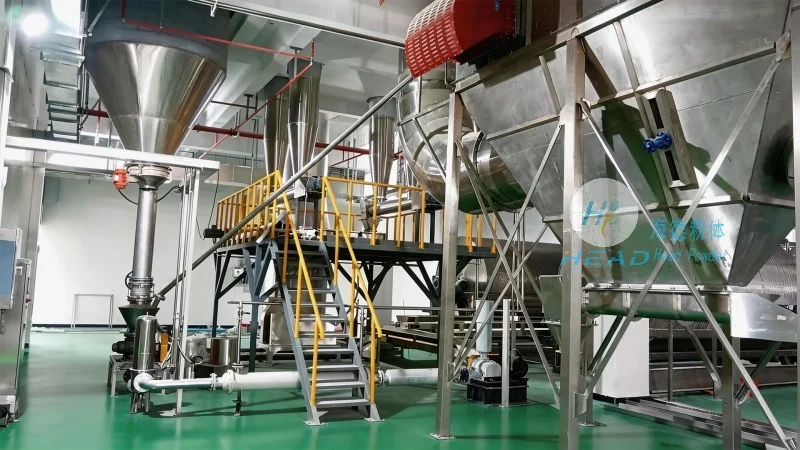
The core components of an alloy powder pneumatic conveying system include the feeding unit, the conveying line, the separation and collection equipment, and the control system. Each component plays a vital role in the overall functionality of the system. The feeding unit is responsible for introducing the alloy powder into the system, often using a hopper or a feeder that can handle the specific flow characteristics of the powder. This unit must be designed to prevent clogging and ensure a consistent feed rate, which is crucial for maintaining system efficiency. The conveying line, typically made of materials resistant to corrosion and wear, transports the powder mixture through the system. For alloy powders, which may be abrasive or corrosive, the selection of materials like stainless steel or specialized alloys is essential to prevent degradation of the pipeline and ensure long-term durability. HeadPowder Engineering, with its expertise in material handling systems, designs these components to meet the unique demands of alloy powder applications, ensuring reliable and efficient operation.
Feeding structures are a critical part of alloy powder pneumatic conveying systems, as they directly affect the system's performance and reliability. These structures include hoppers, screw feeders, and vibratory feeders, each designed to handle different powder characteristics. For alloy powders, which may have cohesive or adhesive properties, a hopper with a conical or wedge-shaped bottom is often used to prevent bridging and ensure smooth discharge. The feeder is responsible for metering the powder at a controlled rate, which is crucial for maintaining the desired conveying velocity and preventing overloading or underloading of the system. In systems handling high-value alloy powders, precision feeding is essential to minimize material loss and ensure consistent product quality. The design of feeding structures must also consider the need for easy maintenance and cleaning, as alloy powders can sometimes adhere to surfaces and cause operational issues.
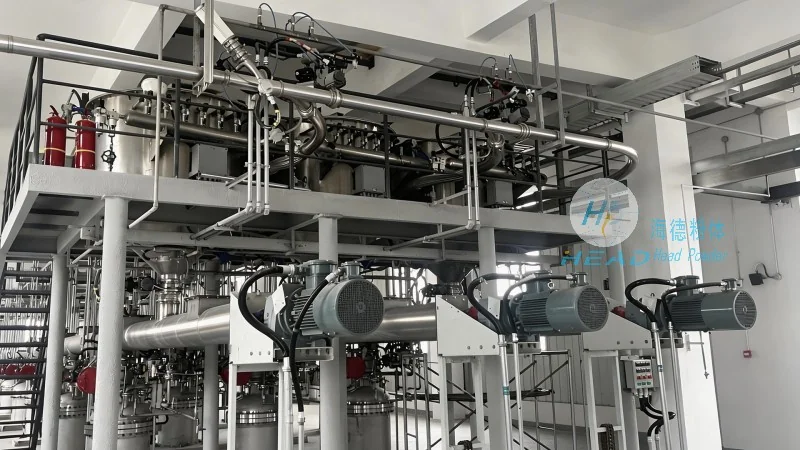
The conveying line is the backbone of the pneumatic system, responsible for transporting the powder mixture from the feeding point to the collection point. The design of the pipeline is critical, as it must withstand the pressure and flow conditions of the conveying process. For alloy powders, which may be abrasive or corrosive, the selection of pipeline materials is paramount. Stainless steel, particularly 316L, is commonly used due to its resistance to corrosion and wear. The pipeline is typically laid out in a straight or slightly inclined path to minimize pressure losses and ensure efficient transport. The diameter of the pipeline is determined based on the powder flow rate and the required conveying velocity, which is influenced by the powder's density and particle size. Proper pipeline design also includes the use of bends and elbows with smooth transitions to reduce pressure drop and prevent powder accumulation or blockages.
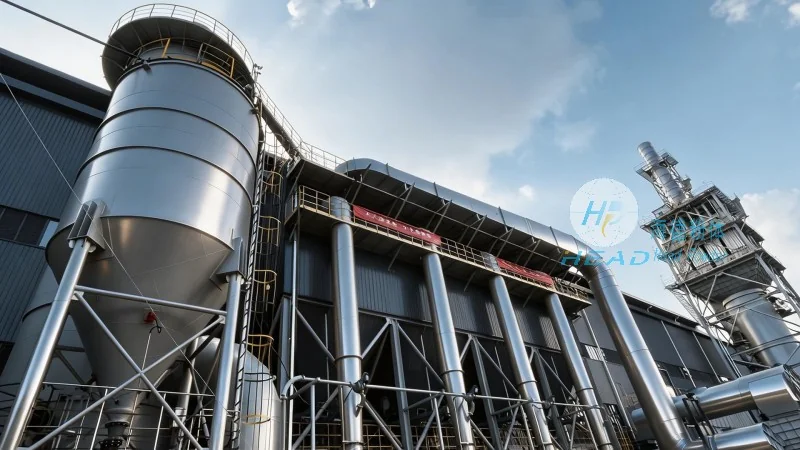
Separation and collection structures are essential for completing the pneumatic conveying process, as they remove the powder from the air stream and collect it in a storage or processing container. These structures include cyclones, filters, and dust collectors. Cyclones use centrifugal force to separate the powder from the air, while filters trap fine particles. For alloy powders, which may have fine particles that are difficult to separate, high-efficiency cyclones or bag filters are often employed. The design of these structures must consider the powder's properties, such as its particle size distribution and moisture content, to ensure effective separation and prevent re-entrainment of powder into the air stream. The collection container is typically a hopper or a silo, designed to store the conveyed alloy powder until it is used in the next production step. Proper sealing and venting of the collection container are important to maintain the powder's quality and prevent contamination.
Control and monitoring systems are integral to the operation of alloy powder pneumatic conveying systems, ensuring that the system runs efficiently and safely. These systems include pressure sensors, flow meters, and control valves, which monitor the system's performance and adjust parameters as needed. For example, pressure sensors can detect changes in the pipeline pressure, indicating potential blockages or system inefficiencies. Flow meters measure the powder flow rate, allowing operators to adjust the feed rate or conveying velocity to maintain optimal conditions. Control valves regulate the air supply or the feed rate, ensuring that the system operates within safe and efficient parameters. Modern systems may also include automation and data logging capabilities, enabling real-time monitoring and historical data analysis to identify trends and improve system performance over time. The control system must be designed to handle the specific requirements of alloy powders, such as their potential reactivity or sensitivity to moisture, to prevent accidents or product degradation.

 Shandong Headpowder Engineering Co., Ltd.
 156-6277-7102(Manager Zhang)
  0531-83386006
  Zhangqiu District, Jinan City, Shandong Province, China
telephone
WeChatconsult
top