

[MULTI]Main Structures for Air-Flow Transport of Magnesium Oxide Powder
When it comes to the efficient and reliable transport of magnesium oxide powder through air-flow systems, understanding the key structural components is crucial. These structures are designed to ensure optimal performance, safety, and durability in industrial applications. The following sections outline the primary structures involved in air-flow transport of magnesium oxide powder, providing insights into their functions and importance.
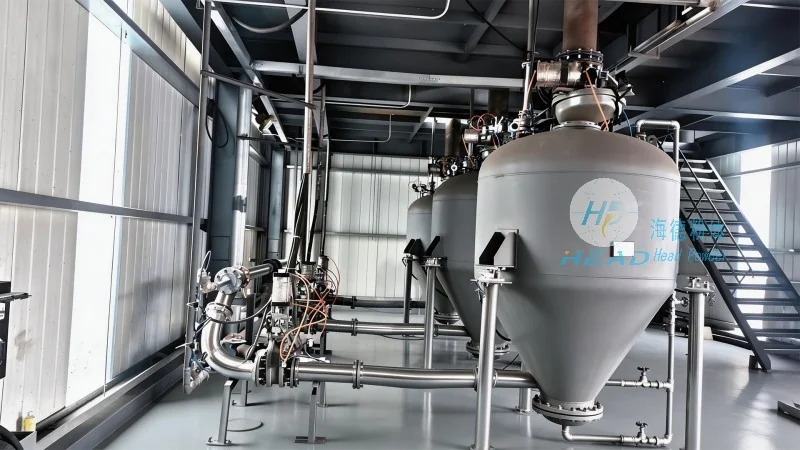
1. Feed Hopper and Metering Device
The feed hopper is a critical component that serves as the initial storage and feeding unit for magnesium oxide powder. It is typically designed with a conical or rectangular shape to facilitate the controlled discharge of material. The metering device, often integrated with the hopper, regulates the flow rate of the powder, ensuring a consistent and steady supply to the transport system. This structure is essential for maintaining uniform air-flow rates and preventing blockages or uneven material distribution. The design of the hopper and metering device must consider the bulk properties of magnesium oxide powder, such as its density, flowability, and potential for caking, to optimize performance.
2. Air-Flow Generation System
The air-flow generation system is responsible for creating the necessary pressure and flow of air to move the magnesium oxide powder through the transport line. This system typically includes a blower or fan that provides the motive force, along with a control valve to adjust the air volume and pressure. The choice of equipment depends on the specific requirements of the application, including the distance to be covered, the volume of material to be transported, and the desired velocity of the powder-air mixture. Proper selection of the air-flow generation system is vital to ensure efficient transport while minimizing energy consumption and wear on components. The system must also be equipped with safety features to prevent over-pressurization and ensure operational stability.
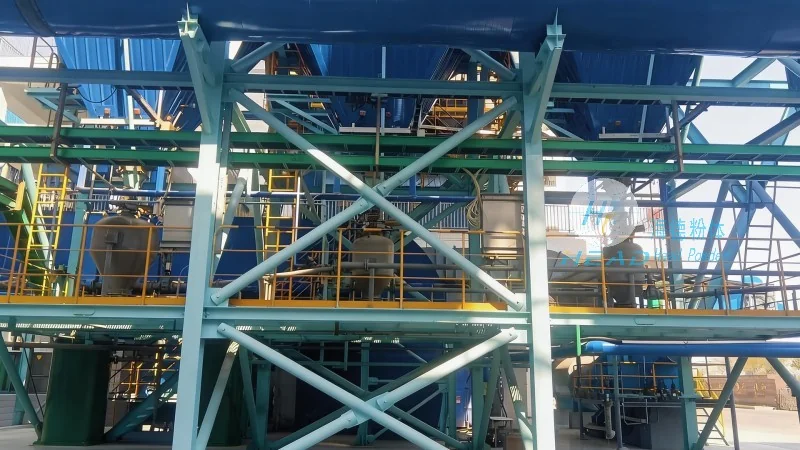
3. Transport Line and Ductwork
The transport line, or ductwork, is the main pathway through which the magnesium oxide powder is conveyed. It is usually constructed from materials that are resistant to corrosion and abrasion, such as stainless steel or special alloys, to withstand the effects of the powder and air over time. The design of the ductwork includes considerations for the diameter, length, and curvature of the pipes, as these factors directly impact the velocity and pressure drop of the air-flow. Proper insulation and sealing are also important to prevent material leakage and maintain the integrity of the transport system. The transport line may include additional components like bends, elbows, and straight sections, each designed to minimize pressure losses and ensure smooth material flow. Regular maintenance and inspection of the ductwork are necessary to detect and address any issues related to wear, corrosion, or blockages.
4. Separation and Collection System
At the receiving end of the air-flow transport system, a separation and collection system is used to separate the magnesium oxide powder from the air stream and collect it in a designated container. This system typically includes a cyclone separator, which uses centrifugal force to separate the heavier powder particles from the lighter air. The cyclone is designed with a conical base and a tangential inlet to create the necessary rotational motion. After the initial separation, the powder is collected in a hopper or bin, while the air is either filtered or recirculated back into the system. The efficiency of the separation process is critical to minimize dust emissions and ensure that the powder is recovered with minimal loss. The collection system must be equipped with appropriate filters or scrubbers to meet environmental regulations and maintain air quality. Regular cleaning and maintenance of the cyclone and collection equipment are essential to prevent clogging and ensure consistent performance.
5. Control and Monitoring Systems
Control and monitoring systems are integral to the air-flow transport of magnesium oxide powder, providing real-time oversight and adjustment of the process parameters. These systems typically include sensors and controllers that monitor variables such as pressure, flow rate, temperature, and material level. The sensors provide data to the control system, which adjusts the operation of the feed hopper, air-flow generation, and separation equipment as needed. This closed-loop control helps maintain optimal conditions and prevents issues like overloading or underflow. The monitoring systems also include alarms and indicators to alert operators of any deviations or faults in the process. Regular calibration and maintenance of the control and monitoring equipment are necessary to ensure accurate readings and reliable operation. These systems enhance the overall efficiency and safety of the air-flow transport process, reducing downtime and improving product quality.
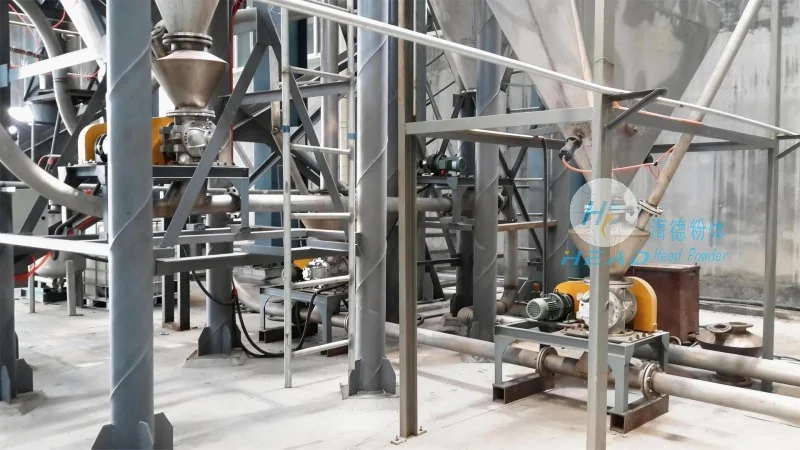
6. Safety and Environmental Considerations
When implementing air-flow transport structures for magnesium oxide powder, safety and environmental considerations are paramount. The system must be designed to prevent dust explosions by incorporating explosion-proof components and proper ventilation. The use of non-combustible materials and proper grounding of equipment helps mitigate this risk. Additionally, the system should be equipped with dust collection and filtration systems to minimize emissions and comply with environmental regulations. The design must also consider the health and safety of operators, including proper ventilation, dust suppression measures, and personal protective equipment (PPE). Regular inspections and maintenance are required to ensure that all safety features are functioning correctly and that the system remains compliant with relevant standards. By addressing these considerations, the air-flow transport structures can operate safely and sustainably, minimizing environmental impact and protecting personnel.
7. Maintenance and Troubleshooting
Maintenance and troubleshooting are essential aspects of maintaining the performance and longevity of air-flow transport structures for magnesium oxide powder. Regular inspection and cleaning of the feed hopper, ductwork, and separation equipment are necessary to prevent clogging and ensure smooth operation. The air-flow generation system should be checked for wear and tear, and the filters should be replaced as needed to maintain air quality. Monitoring the pressure and flow rates can help identify potential issues early, allowing for timely maintenance. Common problems in air-flow transport systems include blockages, pressure drops, and material degradation, which can be addressed through proper cleaning, component replacement, and system adjustments. The maintenance schedule should be tailored to the specific operating conditions and the characteristics of the magnesium oxide powder, ensuring that the system remains in optimal condition. By implementing a proactive maintenance plan, the air-flow transport structures can provide reliable and efficient service over their operational life.