With more than 10‑year industry experience, Shandong Headpowder delivers full‑service pneumatic‑conveying systems and blowers, undertaking nationwide turn‑key powder‑handling projects.
Understanding the core structures of pneumatic conveying systems for feed pellets is crucial for optimizing efficiency and reliability in feed processing operations. These systems are designed to transport feed pellets through a pipeline using air or other gases, and the structural components play a vital role in ensuring smooth operation and minimizing material degradation.
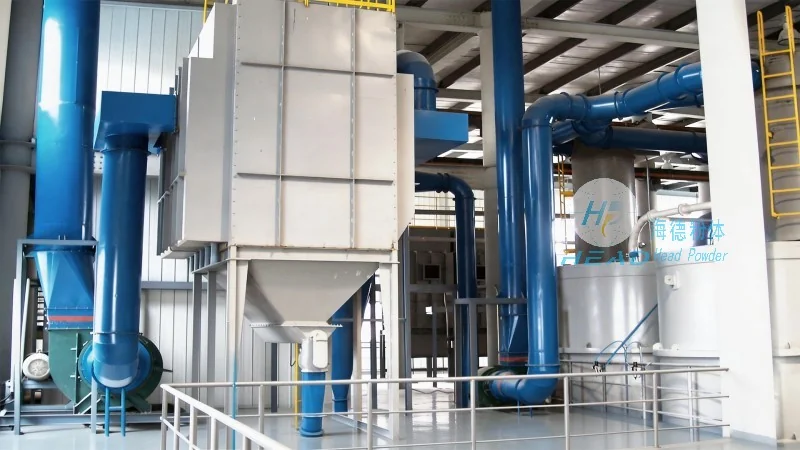
The primary structures in a pneumatic conveying system for feed pellets typically include the feed hopper, the conveying pipeline, the air source system, and the discharge unit. Each component works in concert to facilitate the movement of feed pellets from the source to the destination. The feed hopper is responsible for storing and feeding the pellets into the system, ensuring a consistent flow rate. The conveying pipeline, often made of stainless steel or other corrosion-resistant materials, transports the pellets along with the air stream. The air source system, which may include a blower or compressor, generates the necessary pressure or vacuum to move the material. Finally, the discharge unit collects the pellets at the end of the pipeline, allowing for their release into a storage or processing area.
The feed hopper is a critical component that influences the performance of the entire pneumatic conveying system. It is designed to hold a sufficient quantity of feed pellets and provide a controlled discharge rate. The hopper's geometry, such as its hopper angle and outlet size, is optimized to minimize material bridging and ensure uniform flow. For feed pellets, which can be prone to sticking, the hopper may incorporate features like anti-sticking coatings or vibrators to prevent blockages. The feed hopper also often includes a metering device, such as a rotary valve or screw feeder, to regulate the amount of material entering the pipeline. This control is essential for maintaining consistent conveying rates and preventing overloading or underloading of the system.
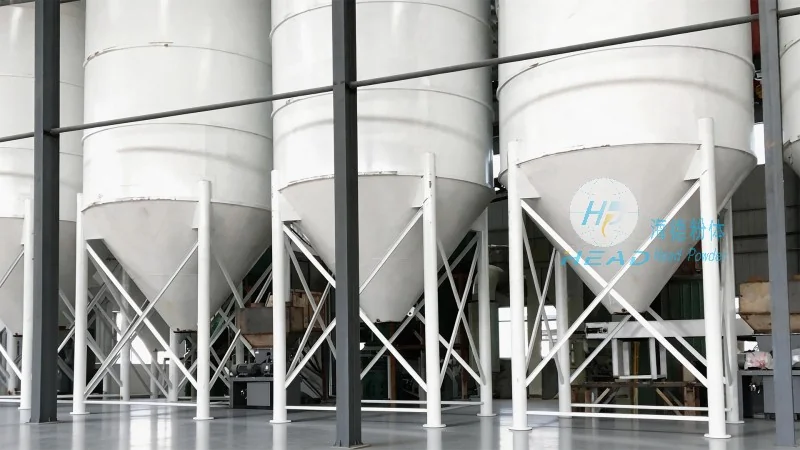
The conveying pipeline is the backbone of the pneumatic conveying system, responsible for transporting feed pellets over varying distances and elevations. The choice of pipeline material is critical, as it must withstand the abrasive nature of feed pellets and resist corrosion from moisture or other contaminants. Stainless steel is commonly used due to its durability and resistance to wear and corrosion. The pipeline is typically equipped with bends, elbows, and straight sections, which are carefully designed to minimize pressure losses and prevent material deposition. To ensure smooth material flow, the pipeline may include internal coatings or liners that reduce friction and prevent pellet abrasion. Additionally, the pipeline may be fitted with pressure sensors and flow meters to monitor system performance and detect any issues, such as blockages or air leaks.
The air source system provides the necessary energy to move the feed pellets through the pipeline. This system typically consists of a blower or compressor, which generates the required pressure or vacuum. The selection of the air source depends on the system's capacity and the distance over which the material is conveyed. For short-distance conveying, a positive displacement blower may be sufficient, while longer distances may require a higher-pressure compressor. The air source is connected to the pipeline via a filter and regulator, which ensure that the air is clean and at the correct pressure. The system may also include a moisture separator or air dryer to remove excess moisture from the air, as moisture can cause feed pellets to clump or degrade. Proper pressure management is essential to prevent excessive wear on the pipeline and components, as well as to maintain the efficiency of the conveying process.
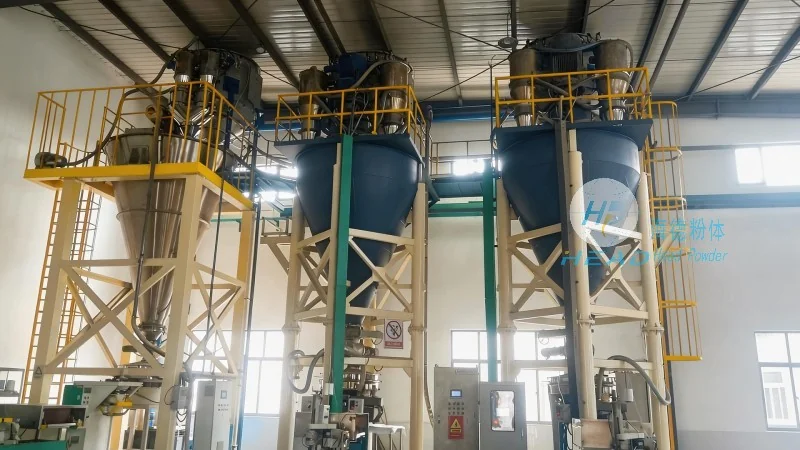
The discharge unit is the final component of the pneumatic conveying system, responsible for collecting the feed pellets at the end of the pipeline and releasing them into a storage or processing area. The design of the discharge unit depends on the application and the type of feed pellets being conveyed. For example, a rotary valve or a star feeder may be used to control the flow of pellets from the pipeline into a silo or hopper. The discharge unit may also include a dust collection system to capture any fine particles that are released during the process, ensuring that the environment remains clean and safe. The unit is typically equipped with a level sensor to monitor the amount of material in the storage area, allowing for automated control of the discharge rate. Proper maintenance of the discharge unit is crucial to prevent blockages and ensure consistent material flow.
Effective integration of all structural components is essential for the optimal performance of a pneumatic conveying system for feed pellets. This involves coordinating the feed hopper, pipeline, air source, and discharge unit to achieve the desired conveying rate and efficiency. System optimization may involve adjusting the air pressure, feed rate, or pipeline design to minimize energy consumption and maximize material throughput. Regular maintenance of the system, including cleaning the pipeline, replacing worn components, and checking for air leaks, is also critical to ensure long-term reliability. By carefully designing and maintaining the structural components, feed processing facilities can achieve efficient and reliable feed transportation, reducing downtime and improving overall operational performance.

 Shandong Headpowder Engineering Co., Ltd.
 156-6277-7102(Manager Zhang)
  0531-83386006
  Zhangqiu District, Jinan City, Shandong Province, China
telephone
WeChatconsult
top